- The issue of closure of metro stations in the Supreme Court
- Contempt notice to concerned authorities
- Appeal to protesters for peaceful protest
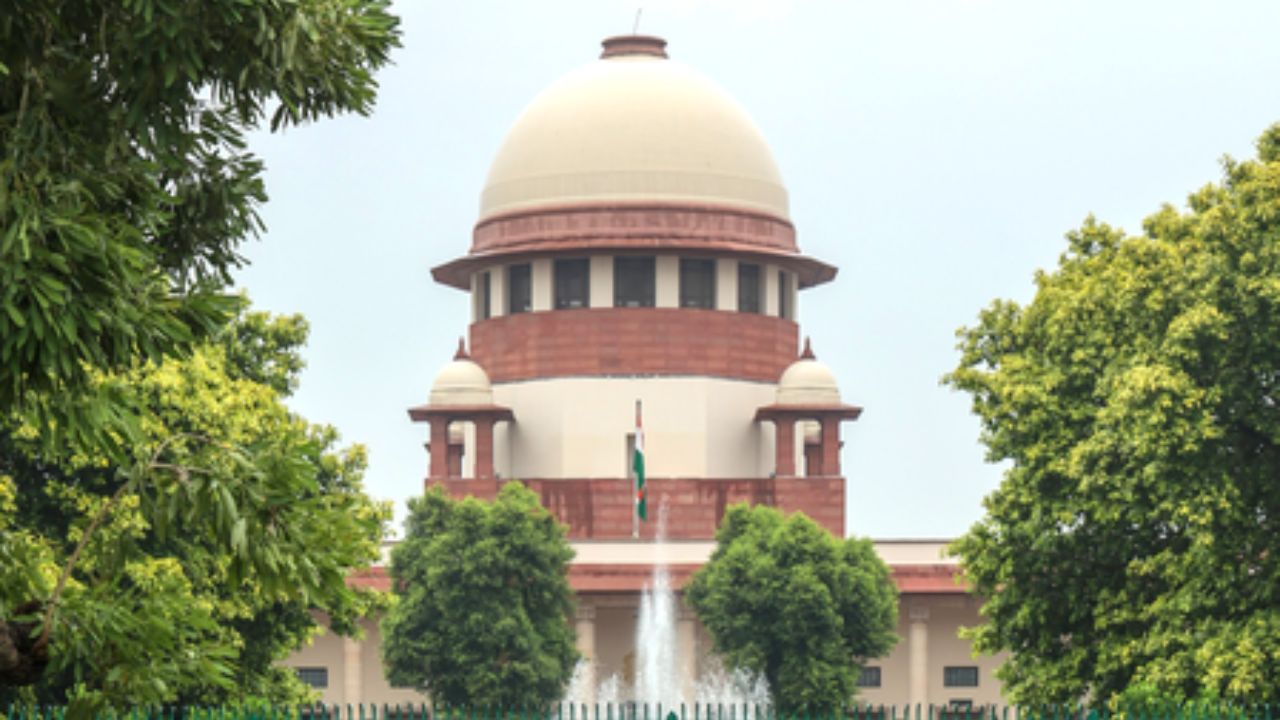
The Supreme Court has issued contempt notices to the concerned authorities in Delhi regarding the closure of metro stations during the CJP Protest in Delhi. Alleging violation of the order passed on October 9, the court has sought an explanation from the authorities. It has also been directed to submit the compliance report by October 13.
Justice Joymalya Bagchi and Justice V. Mohana's bench held a special hearing on Sunday. The officials were asked why the metro stations were closed on October 10 during the 'Cockroach Janata Party' (CJP) agitation. The report has also asked to submit details of restrictions on Metro and instructions issued by the railway administration.
45 metro stations in Delhi have been closed
A total of 45 metro stations in Delhi were closed in the wake of the ongoing agitation at Jantar Mantar against Chief Election Commissioner Gyanesh Kumar and SIR. Most of these stations were in and around central Delhi. Several petitions have been filed in the Supreme Court on the issue of detention of prominent CJP leaders and members of opposition parties, including the closure of metro stations.
Advocate Shailendra Mani Tripathi along with Union Home Secretary Govind Mohan, Delhi Police Commissioner Anurag Kumar and Delhi Metro Rail Corporation Chairperson D. A contempt petition was filed against Thara. The court had ordered on October 9 that the public transport system should not be completely closed before the protest. However, the petition alleged that metro stations were kept closed.
124 former officers letter in support of SIR; Questioning allegations of vote rigging
Trinamool Congress MPs also filed a petition
Apart from this, Trinamool Congress MP and senior advocate Maneka Guruswamy also filed a petition. The petition objected to the detention of four former Chief Ministers along with leaders of opposition parties and other citizens under preventive measures during the agitation.
During the hearing, Guruswamy claimed that more than seven thousand student leaders, journalists and political figures were detained. He argued that preventive detention cannot be used to suppress the fundamental right to peaceful protest.
The petitioners also said that restrictions on metro services and internet have affected the movement of citizens as well as their right to access courts. The issue of detention of around 150 lawyers who had gathered outside the Supreme Court premises and some policemen not affixing identity cards (Batch) was also raised before the court.
Meanwhile, Solicitor General Tushar Mehta said that the administration has documents and videos showing that some persons were released till 6 pm after being detained around 2 pm.
Weather Update : Heavy rains in several states of South India; Bihar along with Himachal Pradesh, Uttarakhand while…
Internet service start command
During the hearing, the Supreme Court directed the metro and railway services to continue as usual. Necessary restrictions may be imposed if public order is threatened; However, the court clarified that the movement of citizens should not be hindered unnecessarily. The requirement of barricades was also asked to be examined urgently.
While directing that internet services continue unhindered, the court said that no one should be illegally detained without due process of law. It was also ordered to remove a plaque outside the Supreme Court stating that restrictions under Section 163 of the Indian Civil Security Code (BNSS) had been imposed.
The court clarified that advocates should not be hampered in their professional duties. The protestors were also requested to protest peacefully and not to provoke others. The court took note after the administration assured that metro and internet services would continue as normal.