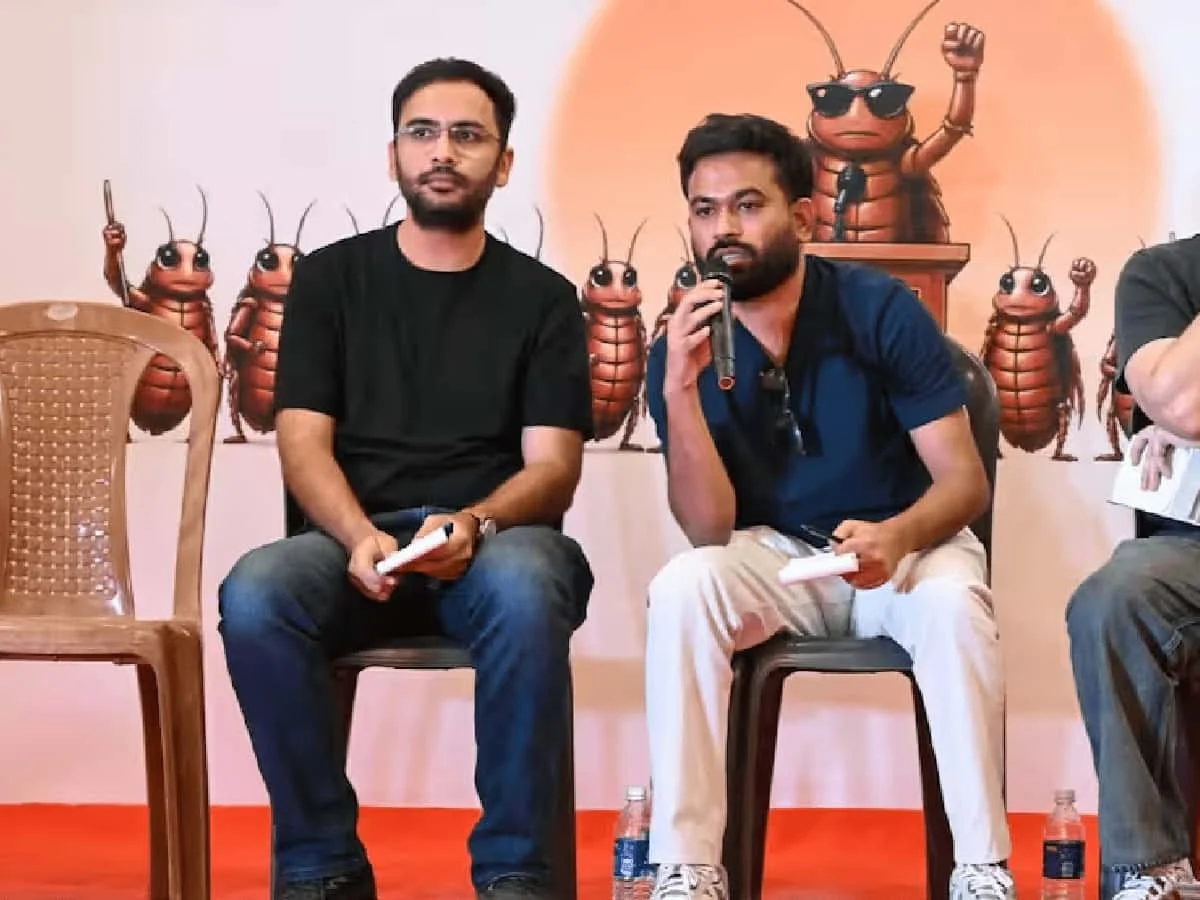
The Cockroach Janata Party (CJP) has thrown a fresh political challenge into the run-up to the 2027 Goa Assembly elections, announcing on Sunday, November 22, 2026, that it will draft a Citizens’ Manifesto directly with ordinary Goans and activists over the next two months. Launched during the group’s public-listening outreach—held under the ‘Kya Bolti Public’ and ‘Challa Kitem, Goa’ banner in Panaji—the campaign puts the repeal of Section 39A of the Goa Town and Country Planning (TCP) Act at the top of its agenda. CJP founder Abhijit Dipke (also spelled Abhijeet Dipke) and spokesperson Ashutosh Ranka urged voters across Goa not to back any political party or candidate that refuses to sign onto the citizen-written charter. For citizens, youth groups, and political watchers across India—including readers following grassroots civic movements in Uttar Pradesh hubs such as Unnao, Kanpur, Lucknow, Prayagraj, and Varanasi—CJP’s pressure-group model reflects a push to flip traditional election manifestos upside down.
Speaking at the Goa gathering, Abhijit Dipke said conversations with residents across the coastal state consistently pointed to one overarching anxiety: the loss of village land, natural cover, and local identity. Dipke alleged that builders, working alongside corrupt politicians and land mafias, have been taking over land, while young people simultaneously grapple with unemployment and gaps in educational infrastructure.
Making the abolition of Section 39A of the TCP Act CJP’s primary demand, Dipke argued that the provision threatens Goans’ ability to protect their villages and secure homes in their own state. Outlining how the charter will work on the ground, he urged voters to confront campaigning politicians directly: when candidates arrive at doorsteps asking for votes, citizens should hand them the Citizens’ Manifesto and insist they sign it before earning electoral support.
CJP spokesperson Ashutosh Ranka amplified that message with a sharp challenge to established political parties, announcing that CJP’s Goa team will spend the next two months conducting ground-level consultations to compile public grievances into the final charter. Rejecting top-down party promises, Ranka declared that voters have had “enough” of conventional election manifestos and should now dictate the state’s priorities themselves.
Ranka also pushed back against critics who assumed the movement had faded after taking a brief break around Diwali, insisting that CJP is committed to a long-term civic battle rather than a single protest. Emphasizing the role of young Indians in shaping political accountability ahead of future milestones, he asserted that the movement is here not merely to defend democratic values, but to actively build India.
Alongside Dipke and Ranka, CJP spokesperson Saurav Das (Saurabh Das) highlighted concerns over youth employment, the preservation of Goa’s cultural identity, and the protection of indigenous tribal communities. According to the group, the upcoming Citizens’ Manifesto will pair its demand to scrap Section 39A with concrete safeguards for tribal land rights, local jobs, and public school infrastructure.
By positioning itself as a non-traditional civic watchdog rather than an ordinary election contender, CJP aims to turn every constituency visit during Goa’s upcoming campaign season into a public referendum on land, livelihoods, and citizen-driven accountability.