
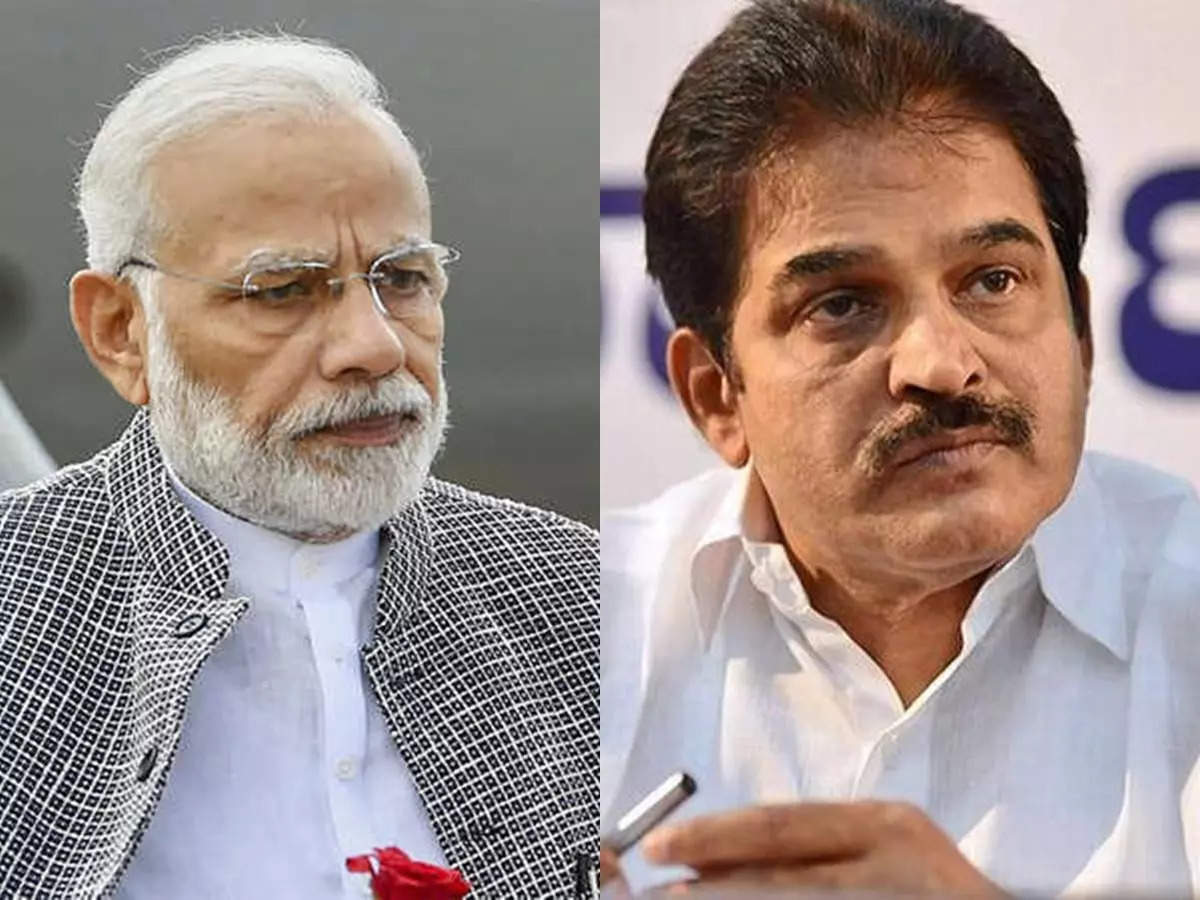

The Indian National Congress has submitted a privilege notice against Prime Minister Narendra Modialleging that his recent address to the nation contained remarks that cast aspersions on Members of Parliament.
The notice was formally filed by senior Congress leader KC Venugopalwho wrote to About Birlainvoking Rule 222 of the Rules of Procedure and Conduct of Business in the Lok Sabha.
Allegations of Undermining Parliamentary Dignity
In his letter, Venugopal argued that the Prime Minister’s speech, broadcast on April 18, questioned the intent and functioning of elected representatives. He stated that such remarks could undermine the dignity of Parliament and the democratic rights of citizens.
According to the complaint, attributing motives to MPs during a nationally televised address goes beyond political criticism and may constitute a breach of parliamentary privilege.
Context: Bill Defeat Sparks Political Tension
The controversy follows the defeat of the Constitution (131st Amendment) Bill, 2026, in the Lok Sabha on April 17. The bill failed to secure the required two-thirds majority under constitutional provisions.
During his address, the Prime Minister reportedly criticised Opposition parties for blocking the legislation and referred to their voting patterns, which has now become the core of the dispute.
Opposition Leaders React Strongly
Congress MP Jairam Ramesh backed the notice, calling the Prime Minister’s speech “partisan” and asserting that such addresses should focus on national unity rather than political criticism.
He further emphasised that addresses to the nation traditionally serve to reassure citizens and build confidence, especially during significant political developments.
Call for Action by Lok Sabha Speaker
Venugopal has urged Speaker Om Birla to take “immediate and decisive steps” to safeguard parliamentary integrity and ensure that such incidents are addressed appropriately.
The matter is expected to be examined under parliamentary procedures, which may determine whether the remarks constitute a breach of privilege.
Comments are closed.