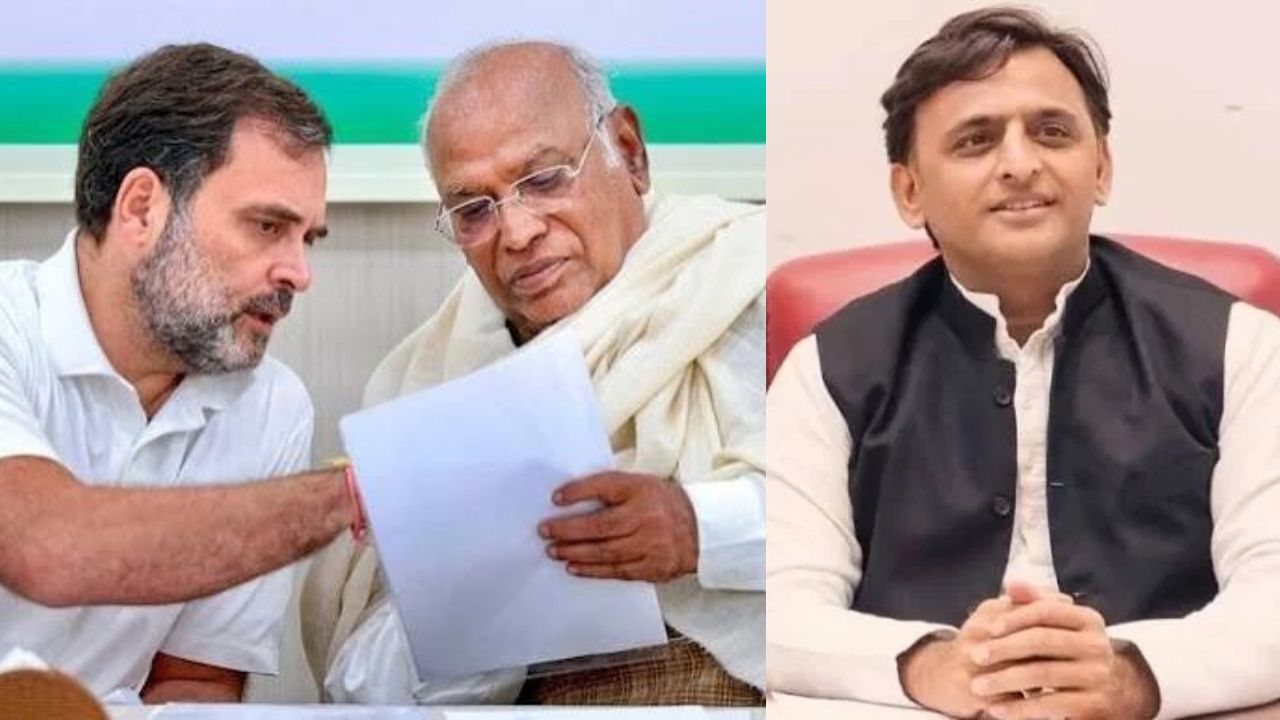
New Delhi: The Congress and the Samajwadi Party (SP) are preparing to begin crucial seat-sharing negotiations for the Uttar Pradesh Assembly elections, with discussions expected to start within the next few days and conclude by the first week of December.
Although the much-anticipated negotiations did not take place on Wednesday, political developments within both parties indicate that the alliance remains on track. Leaders from Congress and the SP have reiterated their commitment to working together, maintaining that the winnability of candidates will be the principal consideration in deciding the seat-sharing formula.
However, the negotiations are unlikely to be straightforward. Congress’s reported demand for a larger share of seats, including its earlier position of seeking more than 150 constituencies, has emerged as a major point of discussion between the allies.
Congress wants a bigger share, SP remains cautious
The Congress leadership is understood to be seeking a more substantial role in the alliance, particularly in western Uttar Pradesh, where the party reportedly wants to contest at least 50 seats.
Congress leaders have indicated that they are unwilling to settle for what they consider an inadequate allocation. The party wants a respectable number of constituencies that would allow it to strengthen its political presence and demonstrate its organizational relevance in Uttar Pradesh.
The Samajwadi Party, however, reportedly views Congress’s demand for more than 150 seats as a negotiating position rather than a final requirement. SP leaders believe that the eventual agreement will be shaped by electoral realities, local political strength and the ability of candidates to defeat the BJP.
This difference in expectations has turned seat-sharing into the most important immediate test for the opposition alliance.
Akhilesh Yadav’s 181-seat revelation adds intrigue
The seat-sharing debate gained further attention after SP chief Akhilesh Yadav revealed last week that Congress had demanded 181 seats. Responding to the controversy, Congress sources indicated that the party had already submitted a list of constituencies to the Samajwadi Party leadership.
The revelation has added another dimension to the negotiations, raising questions about how far Congress is prepared to push its bargaining position and how much flexibility the SP leadership is willing to offer. For both parties, the challenge will be to strike a balance between political ambitions and the larger objective of presenting a united opposition front.
Kharge-led meeting sets the alliance direction
The broad approach towards the alliance was discussed during a high-level Congress meeting led by party president Mallikarjun Kharge on Monday. According to sources, the Congress leadership has reaffirmed its commitment to the SP alliance and indicated that electoral winnability should take precedence over individual party demands.
There are also indications that the Congress leadership may reconsider its earlier position on contesting more than 150 seats, recognizing the importance of maintaining unity with the Samajwadi Party in Uttar Pradesh.
The political calculation is clear: a disagreement over constituency allocation could weaken the opposition’s broader electoral strategy.
Congress sees limited impact from ASP-AIMIM alliance
Another issue discussed within Congress circles is the possible electoral impact of the ASP-AIMIM alliance. Congress sources believe the alliance could attract some votes in selected constituencies but may have a limited overall impact in a highly polarized electoral contest.
The Congress intends to reach out to Muslim and Dalit voters with the argument that a coordinated Congress-SP alliance offers the strongest opposition challenge to the BJP. The party’s strategy will depend heavily on whether it can convince voters that opposition unity is more effective than fragmented electoral contests.
Congress leadership sends a message to UP leaders
In a significant organizational move, the Congress central leadership has reportedly instructed its Uttar Pradesh leaders to avoid making critical or adverse remarks against the Samajwadi Party. The directive underlines the importance the party attaches to preserving the alliance atmosphere ahead of formal negotiations.
Public disagreements between leaders of the two parties could complicate the seat-sharing exercise and provide political ammunition to their opponents. The message from the central leadership appears to be that differences should be resolved through internal discussions rather than public statements.