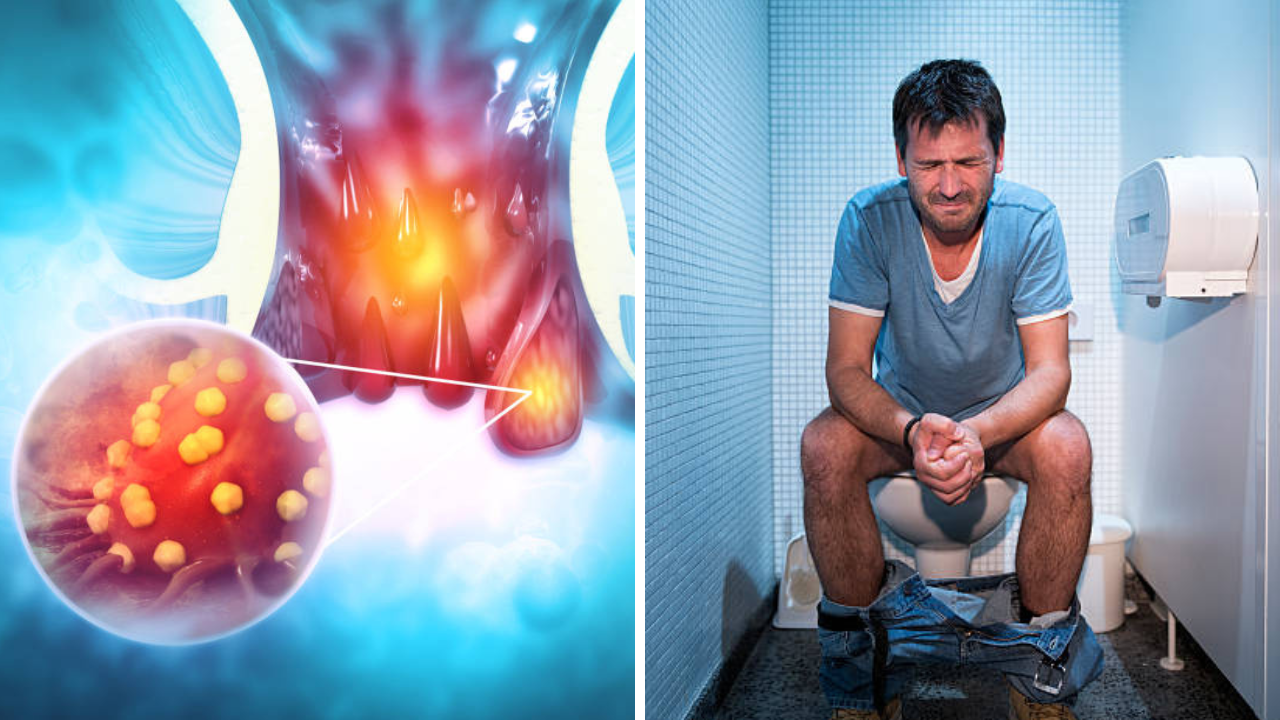
- Constipation problem despite proper diet
- What exactly is the reason
- Know the right reason as told by experts
Constipation Problem: Due to constipation Problems like abdominal pain, bloating, heaviness and nausea occur. To overcome this, drinking enough water along with eating fiber rich and light food is advised. Some people also make lifestyle changes such as staying active, avoiding heavy meals, drinking plenty of water, and eating easily digestible foods. If constipation persists despite this, the problem is stress related and not physical.
When you are under stress, it is not only harmful to your mental health, but also affects your physical health and can adversely affect your digestive system. Let's find out how excess stress can lead to constipation.
Constipation Home Remedies: Constipation causes hard stools, use this husk, the stuck dirt in the stomach will come out quickly.
The relationship between stress and constipation
Director and head of a multispecialty hospital at the Institute of Gastroenterology and Hepatobiliary Sciences, ISIC, Dr. Shubham Vatsyaexplains in detail how chronic stress can lead to constipation. They say that unless you are emotionally stable, your constipation will not go away. He has explained this well in his Instagram post.
The body also feels stress
Dr. Shubham says if you're eating a high-fiber diet, drinking water and taking medication, but you're still constipated, stress is likely the cause. If you are emotionally unstable Constipation can happen Sometimes we harbor old issues, unresolved feelings, anger, guilt, or constant worry. When the mind is constantly under stress, the body also feels that stress.
Effects of chronic stress on the gut
Experts say chronic stress can cause your nervous system to go into 'fight-or-flight' mode. This slows down the process of natural defecation, worsens defecation habits and worsens constipation.
In fact, stress often causes us to skip meals, reduce physical activity, ignore the urge to go to the toilet, and when we finally sit on the toilet, the pelvic floor muscles cannot relax properly. This creates a vicious cycle. Fiber, fluids and exercise are essential for constipation, but just as important is addressing chronic stress.
Constipation: How do you know if you are constipated? Recognize the symptoms prescribed by the doctor
Tips to reduce stress
Regular physical activity such as jogging, cycling, swimming and walking releases endorphins, which improve mood. To reduce stress, you can do some pranayamas and yogas every day, such as Balasana, Bhramari, Anulom-Vilom and Sheetali Pranayam. Not getting enough sleep can be one of the causes of stress.
Improve your routine and get 7 to 8 hours of good, well-timed sleep every day. Avoid caffeine and addictive substances. Focus on mindfulness, such as changing the habit of saying yes to everyone's work. Spend some time in nature, listen to your favorite music and share your feelings with a good and trusted friend to give you some relaxation.