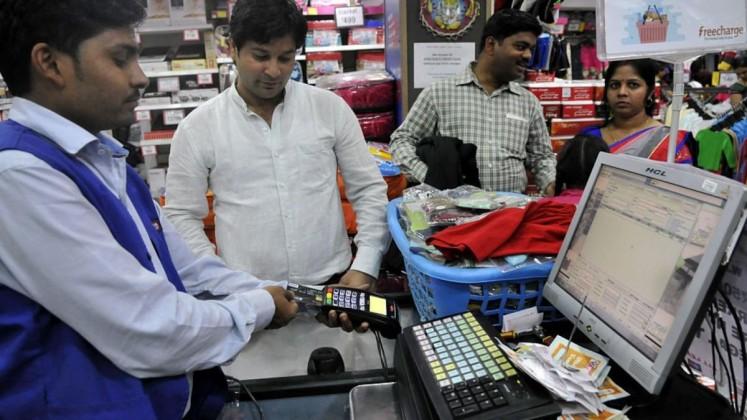
Credit card spending in India surged nearly 20 per cent to Rs 2.45 lakh crore in October 2026, driven by festive shopping, rising digital payments and increased credit card usage, according to the latest data released by the Reserve Bank of India (RBI).
The sharp increase comes as consumers stepped up purchases ahead of Diwali, taking advantage of festive discounts, cashback offers and easy payment options.
However, while credit cards offer convenience, rewards and interest-free periods, excessive spending, missing payment deadlines and paying only the minimum amount due can lead to high interest charges and mounting debt.
With credit card usage rising across the country, customers should be aware of RBI’s regulations, billing cycles, payment deadlines and ways to avoid misusing their credit limits.
Credit card spending rises to Rs 2.45 lakh crore in October
According to RBI data, credit card transactions increased from Rs 2.04 lakh crore in September to Rs 2.45 lakh crore in October, registering a nearly 20 per cent month-on-month rise.
Spending was also 14.4 per cent higher than the corresponding month last year.
Banks collectively added 14 lakh new credit cards during October, taking the total number of outstanding credit cards to 12.67 crore, compared with 12.53 crore in September.
Digital transactions continued to dominate credit card spending. Online and e-commerce purchases accounted for nearly 63 per cent of the total transaction value, reaching Rs 1.54 lakh crore.
Meanwhile, transactions through point-of-sale (PoS) machines stood at Rs 90,562 crore.
The number of credit card transactions also increased by 32 per cent year-on-year to 68.3 crore. However, the average transaction value declined from Rs 4,133 to around Rs 3,585, indicating that customers are increasingly using credit cards for smaller purchases.
HDFC Bank, SBI Card and ICICI Bank see higher spending
Among major credit card issuers, HDFC Bank continued to lead with transactions worth Rs 70,115 crore in October, registering a 7.6 per cent increase from September.
SBI Card recorded spending of Rs 45,797 crore, up 31 per cent month-on-month, while ICICI Bank witnessed a 37 per cent increase to Rs 42,295 crore.
Axis Bank reported transactions worth Rs 30,211 crore, registering a 30.5 per cent increase.
The figures highlight the growing popularity of credit cards among Indian consumers, particularly during the festive season.
New RBI credit card rules: What customers should know
The RBI has introduced and updated several regulations aimed at protecting credit card users, improving transparency and preventing unfair charges.
Three-day rule for late credit card payments
Under RBI’s credit card directions, banks can report an account as past due to credit information companies or levy late payment charges only when the account remains past due for more than three days.
However, this does not mean customers should deliberately delay their payments. Interest may still apply if the total outstanding amount is not cleared by the due date.
An April 2026 RBI amendment, scheduled to take effect on April 1, 2027, also specifies that late payment charges must be calculated on the outstanding amount after the due date rather than the total billed amount.
Customers can change their credit card billing cycle
RBI regulations require card issuers to provide customers with an option to modify their billing cycle at least once.
This allows customers to choose a billing date that better suits their salary credit date or monthly financial commitments.
For instance, a salaried employee may prefer a payment due date shortly after receiving their salary to avoid missing payments.
Paying only the minimum amount can increase debt
Credit card statements generally mention two amounts: the total amount due and the minimum amount due.
While paying the minimum amount may prevent the account from being treated as overdue, it does not mean the remaining balance becomes interest-free.
Interest can accumulate on the unpaid balance, and customers may lose the interest-free period on purchases.
RBI requires banks to clearly warn customers about the consequences of repeatedly paying only the minimum amount.
How to pay your credit card bill on time
Customers should make it a habit to pay their entire outstanding bill before the due date rather than waiting until the last minute.
Setting up automatic payments through a bank account can help prevent missed deadlines. However, customers must ensure sufficient funds are available for the payment.
Users can also set reminders a few days before their due date and regularly check their credit card statements for pending bills, interest charges and unauthorised transactions.
Those holding multiple credit cards should keep track of different billing cycles and payment deadlines to avoid confusion.
How to avoid misusing credit cards or exceeding the limit
Credit cards should be used as a payment facility and not treated as additional income.
Customers should avoid spending beyond their repayment capacity, even when banks offer higher credit limits or attractive festive discounts.
Financial discipline is especially important when using credit cards for shopping, travel, gadgets and other non-essential purchases.
Experts generally recommend keeping credit utilisation below 30 per cent of the available credit limit as a budgeting guideline, although this is not a mandatory RBI rule.
For example, if a customer has a credit limit of Rs 1 lakh, keeping the outstanding balance below Rs 30,000 can help maintain a manageable level of borrowing.
Customers should also avoid cash withdrawals using credit cards, as these generally attract additional charges and interest from the transaction date.
Before converting purchases into EMIs, users should check the interest rate, processing fees and total repayment amount.
What happens if you exceed your credit card limit?
Exceeding the sanctioned credit limit can result in additional charges where an overlimit facility has been explicitly enabled.
RBI regulations require card issuers to obtain the customer’s explicit consent before permitting transactions beyond the approved credit limit.
Customers should not assume that an overlimit transaction will automatically be approved.
Regularly checking the available credit limit and setting transaction alerts can help prevent unnecessary spending.
Credit card users should prioritise timely payments
As credit card spending continues to rise, customers should balance convenience with responsible financial planning.
Paying bills in full, avoiding unnecessary purchases, monitoring credit utilisation and understanding applicable charges can help prevent debt from accumulating.
While festive offers and cashback rewards may encourage additional spending, customers should remember that credit card bills ultimately have to be repaid.
Using a credit card responsibly can offer convenience and financial flexibility, but excessive borrowing and delayed repayments can quickly turn short-term purchases into long-term financial liabilities.