
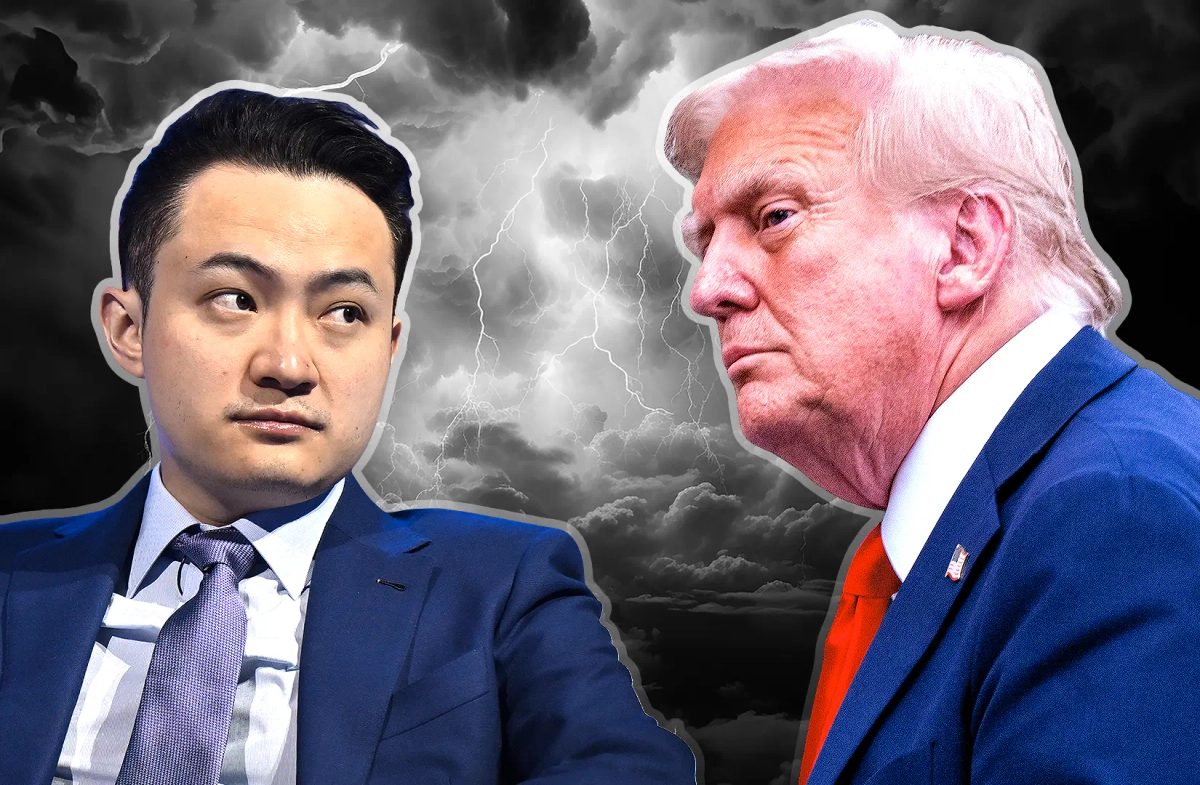

A dramatic legal battle is unfolding in the global crypto ecosystem as entrepreneur Justin Sun has filed a lawsuit against World Liberty Financial—a digital asset venture co-founded by Donald Trump and his sons. The lawsuit, filed in a California federal court, accuses the firm of illegally freezing hundreds of millions of dollars worth of Sun’s crypto holdings, raising serious questions about governance, control, and investor rights in emerging blockchain ventures.
Credits: Reuters
The Core Allegation: Frozen Tokens Worth $320 Million
At the heart of the dispute is Sun’s massive holding of WLFI tokens issued by World Liberty. According to the lawsuit, Sun purchased approximately $45 million worth of tokens—around 3 billion WLFI—and later received an additional 1 billion tokens after being named an advisor to the project.
At current valuations, his total holdings—4 billion tokens—are estimated to be worth roughly $320 million. However, Sun claims he has been unable to access or sell these assets since September 2025, when the tokens became tradable.
The lawsuit alleges that World Liberty secretly embedded mechanisms within its blockchain contracts that allowed it to freeze specific wallets, effectively blocking Sun from liquidating his position. Even more concerning, Sun claims the company threatened to “burn” his tokens—permanently deleting them despite being stored in his personal wallet.
“Backdoor Control” and Centralization Concerns
Sun has taken his allegations beyond the courtroom, claiming publicly that World Liberty inserted a “backdoor blacklisting function” into its token infrastructure. According to him, this gave the company unilateral authority to freeze, restrict, or even confiscate user assets without warning or justification.
Such claims strike at the core philosophy of decentralization that underpins cryptocurrency. If proven true, they could damage investor confidence not just in World Liberty, but in similar token-based governance models.
World Liberty, however, has strongly denied these accusations. CEO Zach Witkoff dismissed the lawsuit as “entirely meritless,” stating that the company acted only to protect itself and its users from alleged misconduct by Sun.
Trump Family Ties and Billion-Dollar Stakes
The case is drawing heightened attention due to the involvement of the Trump family. Donald Trump and his sons, including Eric Trumpare co-founders of World Liberty Financial, making it one of the most high-profile crypto ventures linked to a political figure.
According to a Reuters analysis, the Trump family has already generated over $1 billion from the venture. Notably, the company’s bylaws reportedly direct 75% of revenue from WLFI token sales to the Trumps—an unusually high share that has raised eyebrows among investors.
Eric Trump even mocked the lawsuit publicly, referencing Sun’s earlier $6 million purchase of the controversial artwork Comediana banana duct-taped to a wall, suggesting the case lacks seriousness.
A Sour Relationship Turns Legal
The lawsuit marks the culmination of a rapidly deteriorating relationship between Sun and World Liberty. Once described as an “anchor investor” and supporter of the Trump family, Sun now claims he was pressured to inject even more capital into the venture throughout 2025.
According to court filings, company representatives urged him to invest up to $200 million in a separate stablecoin project and even acquire equity in the firm. Sun alleges that when he resisted, tensions escalated, ultimately leading to the freezing of his tokens.
Adding to the friction, a recent governance proposal by World Liberty aims to restrict early investors from fully trading their tokens until 2030. Sun has strongly opposed the move—but claims he was unable to vote on it due to the freeze on his holdings.
Investor Concerns and Transparency Questions
Beyond this legal battle, World Liberty Financial is already facing growing scrutiny from its investor community. Critics have pointed to a lack of transparency, centralized decision-making, and poor communication with token holders.
Unlike traditional equity, WLFI tokens do not grant ownership or dividends. Instead, they offer limited governance rights—making disputes like this one even more complicated, as legal protections for token holders remain a gray area.
Credits: Reuters
What Happens Next?
The case could become a landmark moment for the crypto industry, especially as regulatory frameworks struggle to keep pace with innovation. It raises critical questions: Who truly controls digital assets? Can blockchain projects override user ownership? And what protections do investors really have?
With both sides digging in—World Liberty promising to fight the case and Sun determined to reclaim his assets—the courtroom battle is just beginning. For now, the outcome could shape not just one company’s future, but the broader credibility of crypto governance itself.

Comments are closed.