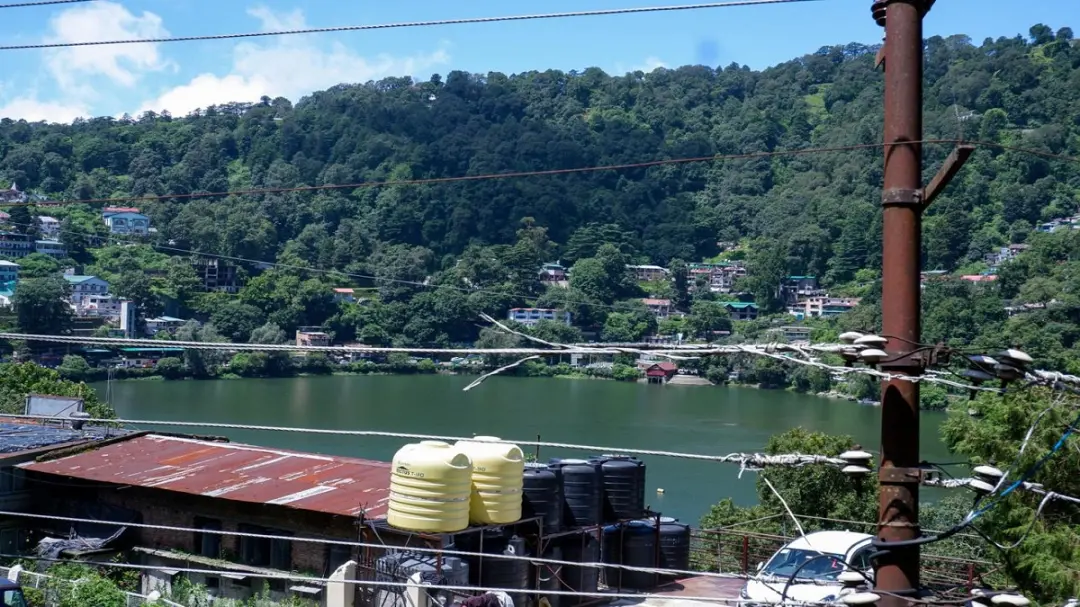
The case of infection spread due to contaminated drinking water has now taken a serious form in Jeolikot and surrounding villages of Nainital district of Uttarakhand. Bacteria like E-coli, fecal coliform and fecal streptococcus have been found in the test reports of water samples. After the investigation report came out, the initial water test conducted by the Jal Sansthan has also come under question. The matter has now reached Nainital High Court, where the court has expressed strong displeasure over the functioning of the officers. The administration has also started the process of fixing responsibility in the case.
Apart from Jeolikot, complaints of spread of disease due to contaminated water have also been reported in Ganja, Veerbhatti, Chhinna, Beluwakhan, Sariyatal and other nearby areas. According to the report, along with many people falling ill, two cases of death have also been reported in the area. Regarding this, a public interest litigation was filed in the High Court on behalf of the local resident. During the hearing, the court took the entire matter seriously and sought answers from the administration and concerned departments and directed to speed up relief and investigation work in the affected area.
The most serious thing came to light during the examination of water samples. Water samples were taken from different places in the area by the State Pollution Control Board. In the report, Coliform and E-Coli were found in the water of many places. Fecal coliform and fecal streptococcus were also found in some samples. According to the report, the amount of bacteria per 100 ml of water was recorded from 170 to 2200 at different places. These results have raised serious concerns about the quality of drinking water.
Fecal coliform and fecal streptococcus are bacteria whose presence is considered a sign of water contamination by feces. Such bacteria can pose a serious threat to people's health if they reach drinking water. According to experts, consumption of contaminated water can increase the risk of diseases like diarrhea, vomiting, stomach ache, fever and jaundice. Such a situation can be more worrying for children, the elderly and people with already weak health.
The investigation report states that bacteria were found in the samples taken from Manora, Beluwakhan, Malla Beluwakhan, Chinagaon of Veerbhatti, drinking water source located near Parvati Prema Jagati Vidyalaya, Devubaganja water tank, source near PMGSY office, Bushgaon water tank of Chopra and Sariyatal tank. This made it clear that the problem was not limited to just one pipeline or one locality, but many water sources and drinking water supply areas were affected by it.
During the hearing of the case, the High Court also questioned the officials as to why effective steps were not taken in time despite the villagers already complaining about the smelly water. According to the report, the villagers had complained about the quality of water about a month ago. Expressing displeasure over the attitude of the officials, the court said that the work should have been done with sensitivity towards the health of the villagers.
It was told in the court by the officials of Jal Sansthan that later chlorination, cleaning of tanks and other corrective steps have been taken and the reports of some samples taken after this have come back normal. But the seriousness of the whole matter remains due to the failure of many samples taken earlier in the report of the State Pollution Control Board. The High Court has given instructions to take fresh water samples and test the water quality of the entire area.
The administration has also taken steps towards fixing responsibility in the case. Nainital District Magistrate Lalit Mohan Rayal has constituted a six-member standing committee under the chairmanship of the Chief Development Officer. The committee has been instructed to prepare a report on the reasons for water contamination, responsibilities of the concerned departments and necessary corrective steps to prevent such incidents in future. The committee was asked to submit its report within seven days.
The investigation committee includes the Chief Development Officer along with the Chief Medical Officer, Executive Engineer of Drinking Water Corporation and Jal Sansthan, Municipal Body officials and District Panchayat Raj Officer. The committee has been given the responsibility of not only finding the cause of the current infection, but also to conduct a technical investigation into the possible links between the drinking water source, tank, pipeline, leakage, seepage and sewer system.
An important part of the investigation is to find out if there is a cross-connection between the drinking water and sewerage lines. If dirty sewer water somehow reaches the drinking water source or supply line, then it can become a major reason for the spread of infection in the entire area. The administration has also initiated the process of cleaning, flushing, bleaching and chlorination of pipelines as well as identifying and repairing leakages.
In the earlier hearing, Jal Sansthan officials had also admitted that the problem arose due to sewer water getting into the water source located near the old garbage pit. The High Court had strongly reprimanded the officials on this point. The court said that if the sewer and drinking water pipelines had been repaired in time, the villagers would not have had to face this crisis.
The administration has also arranged for tankers to provide alternative clean water to the people in the affected area. According to a report, more than 15,500 liters of pure drinking water was provided to 110 families through four tankers in two days. Flushing of about 500 meters of Devladhunga line was also done and new water samples were taken.
Medical teams have also been deployed by the Health Department in the affected areas. According to the report presented in the High Court, a team of eight doctors, ambulance and medical staff were deployed in the affected area. Chlorine tablets and ORS packets were distributed door-to-door. The health department also placed before the court the information about a large number of people affected by jaundice, diarrhea and other diseases.
In this matter, the High Court has instructed the administration to continuously monitor the relief work. The District Magistrate himself has been asked to monitor the situation, make arrangements to supply safe water through tankers to the affected areas and resolve complaints of sewer leakage. The court has also directed that if specialist doctors are not available in government health facilities, then the services of experts should be taken from outside as per the need.
Considering the seriousness of the matter, the State Pollution Control Board has also been asked to take new samples and test the water quality in the entire Nainital area. The High Court has also instructed the officials to file personal affidavits. It is expected to become clear in the coming time at what level the problem of contaminated water occurred and who is responsible.
Now the biggest question in the Jeolikot episode is why the quality of contaminated water could not be monitored before it reached people's homes. Despite regular testing of water sources, tanks and pipelines, if fecal bacteria reaches drinking water, it raises serious questions on the departmental monitoring system. However, the final responsibility will be decided only after the findings of the investigation committee and the related legal process.
At present, the administration has taken steps like alternative arrangement of clean water, cleaning of pipelines and chlorination to control the situation. On the other hand, new samples of water are being taken so that it can be known whether the condition of water sources has actually returned to normal after the corrective action has been taken or not. The High Court is also keeping an eye on this entire process.
This issue of Jeolikot is not just a problem of contaminated water in one area, but it raises many questions like monitoring of drinking water supply, safety of water sources, distance between sewer and drinking water lines and departmental accountability. Now the report of the investigation committee and the new report to be presented in the court will reveal what was the real reason for the spread of the infection and which officers and departments are held responsible for preventing such a situation in future.