
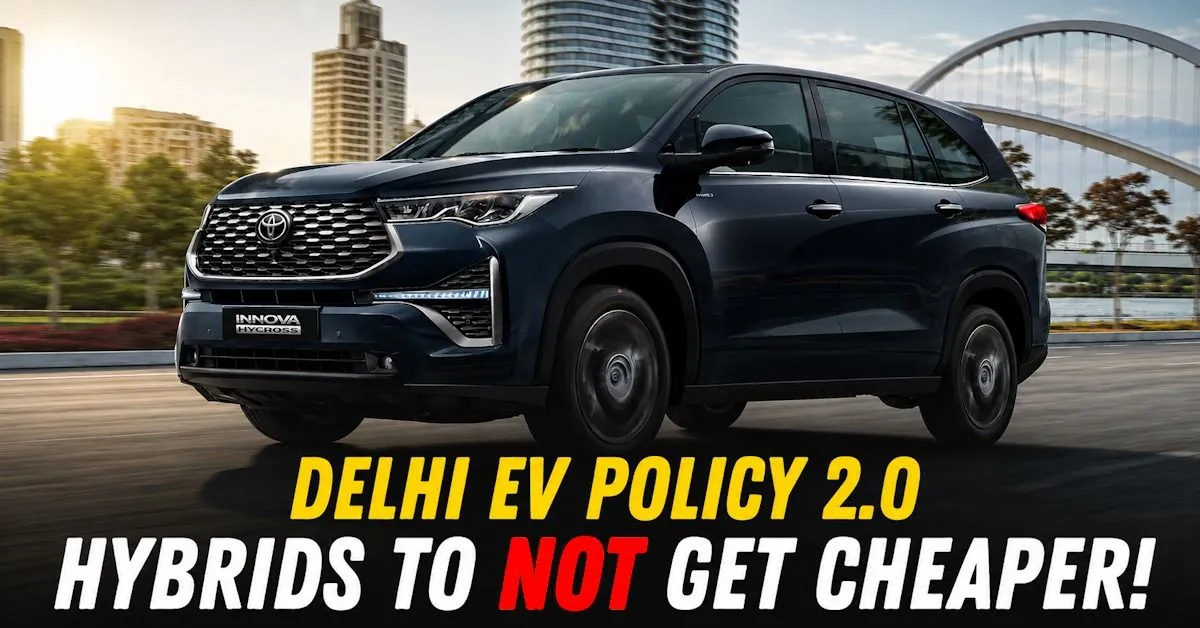

Delhi’s EV policy is finally out, and it officially puts a ban on the registration of new petrol and CNG two-wheelers in the national capital from 1 April 2028. As we already know from earlier reports, the Delhi government is not only restricting new petrol two-wheelers but is also actively promoting electric vehicles and two-wheelers. While EV owners will be getting incentives, there is another category of vehicle buyers that actually loses out under the new policy – hybrid vehicle buyers – as no incentives have been announced for them.
When the initial draft of the EV policy was under discussion, it had proposed a 50 percent waiver on road tax for hybrid vehicles. This benefit was applicable to strong hybrid vehicles priced up to Rs 30 lakh. Strong hybrids were gradually gaining popularity among buyers looking for a fuel-efficient and less-polluting alternative to conventional petrol and diesel cars.
However, in the new EV policy that has been announced, there is no mention of subsidies, incentives, or tax waivers for strong hybrids. The policy is focused entirely on electric vehicles. The government has clarified that the funds allocated for this initiative will be spent exclusively on pure electric vehicles.
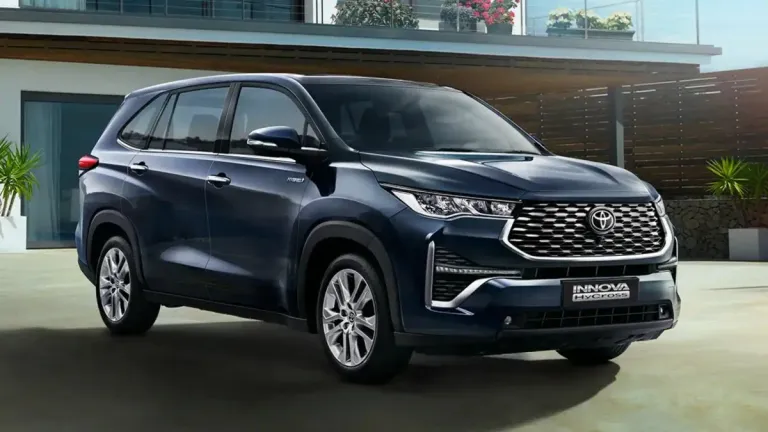
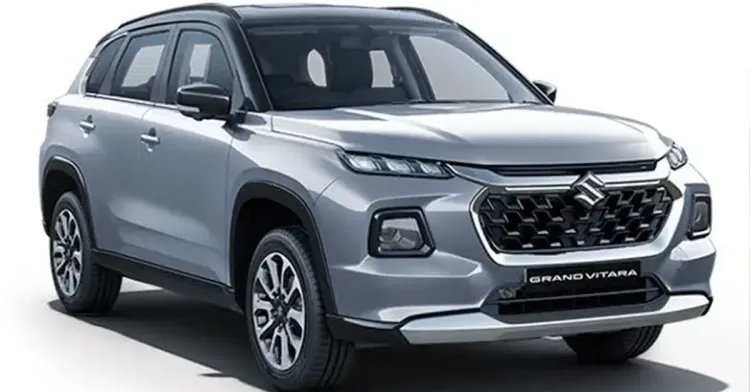
Hybrid cars are actually a sensible option for many people who are not yet ready to switch completely to an EV. There are several options available in the market, such as the Maruti Suzuki Grand Vitara, Toyota Hyryder, and Maruti Victoris. The biggest advantage of a strong hybrid vehicle is that it offers the best of both worlds.
As many of us already know, strong hybrid vehicles use a regular petrol engine paired with an electric motor and battery. They can operate as EVs at lower speeds and seamlessly switch to engine power when required. They also feature a small battery, usually located in the boot, which automatically charges while the vehicle is in motion.
What this combination of an engine and an electric motor does is reduce the load on the engine, allowing it to operate more efficiently. This results in better fuel economy. A strong hybrid vehicle can be nearly as fuel-efficient as a diesel vehicle while being less polluting than a conventional petrol-powered car.

Under the new EV policy, customers who purchase electric vehicles will be eligible for incentives under the scheme. Buyers of electric two-wheelers will receive financial incentives of up to Rs 30,000, while buyers of electric rickshaws can receive incentives of up to Rs 50,000. The incentive amount for N1-category commercial electric vehicles will be around Rs 1 lakh.
Apart from this, owners will be eligible for additional incentives if they scrap their old vehicles while purchasing a new one. In addition to these benefits, pure electric vehicles will also be exempt from road tax and registration fees.
The new EV policy will come into effect from 1 April 2028. As per the policy, only electric rickshaws and N1-category goods vehicles will be registered in Delhi from 1 January 2027 onwards.
Comments are closed.