
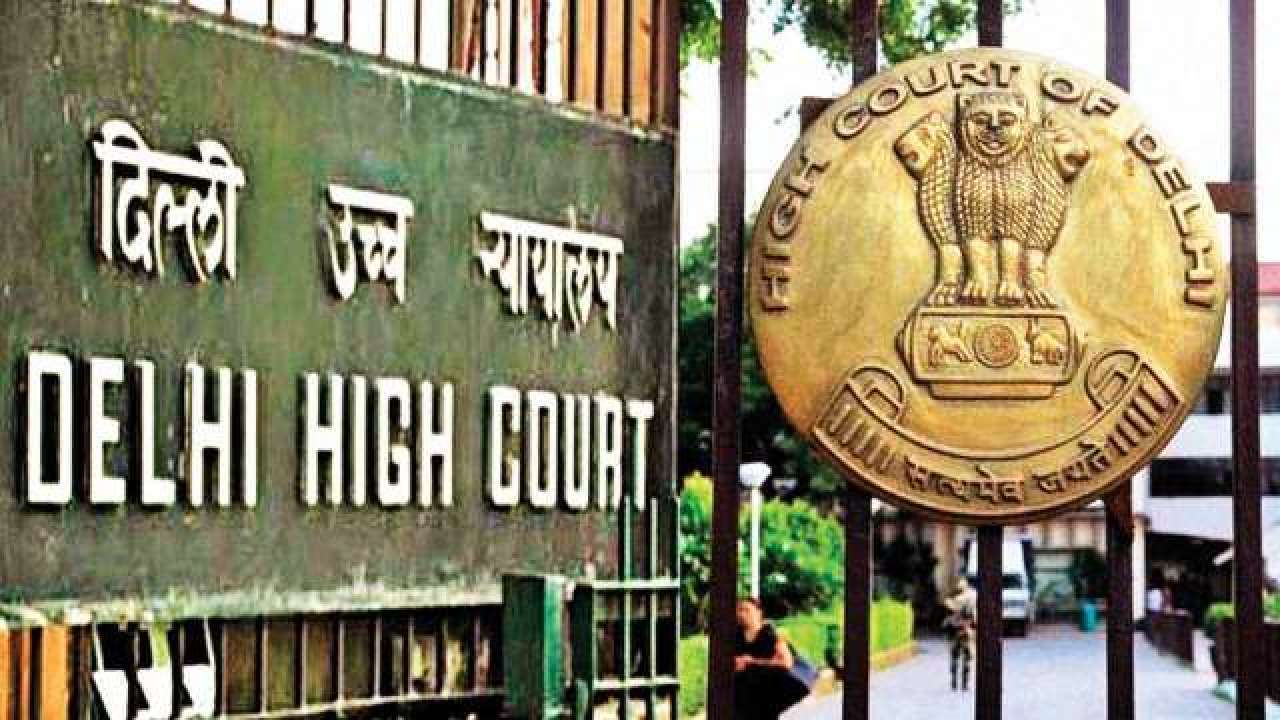
Delhi High Court: Google-Meta’s big statement on the video of the court proceedings, said – ‘We cannot become a super censor’

During the hearing of a public interest litigation (PIL) pending in the Delhi High Court, Google and Meta clearly told the court that they cannot automatically monitor unauthorized recording of video of court proceedings and its dissemination on social media. The companies say they cannot act as “super censors” and that it is not practical to detect and remove questionable content without a specific URL or clear identification.
Justice V. Kameswara Rao and Justice Manmeet P.S. Arora’s division bench adjourned the hearing of the case till August 27. The court said that the notice has not yet been served on former Chief Minister Arvind Kejriwal, former Deputy Chief Minister Manish Sisodia and other leaders who were made parties to the petition.
Demand for contempt action against AAP leaders
This PIL has been filed over the alleged unauthorized recording and video shared on the internet media of the hearing related to the Excise Policy case, in which Arvind Kejriwal had requested Justice Swarn Kanta Sharma to recuse himself from hearing the case. The petition has demanded contempt action against Arvind Kejriwal, Manish Sisodia, Sanjay Singh and others alleging violation of court rules.
What did Meta and Google say in court?
Meta said in its affidavit that billions of posts and videos are shared on its platform every day. In such a situation, it is not possible to automatically find and remove any content without a specific URL or identifying information. The company said that upon receiving orders from a competent court or authorized government agency, action is taken as per law.
Google said that millions of videos are uploaded to YouTube every hour from all over the world. In such a situation, it is not practical to monitor each video in advance or decide which video is related to the court proceedings and violates the law.
Section 79 of the IT Act was cited
Both companies cited Section 79 of the Information Technology Act, 2000, saying the intermediary enjoys “safe harbor” protection. If information about any illegal content or order of a competent court is received, only then legal action is taken to remove the concerned content.
Follow the LALLURAM.COM MP channel on WhatsApp

Comments are closed.