
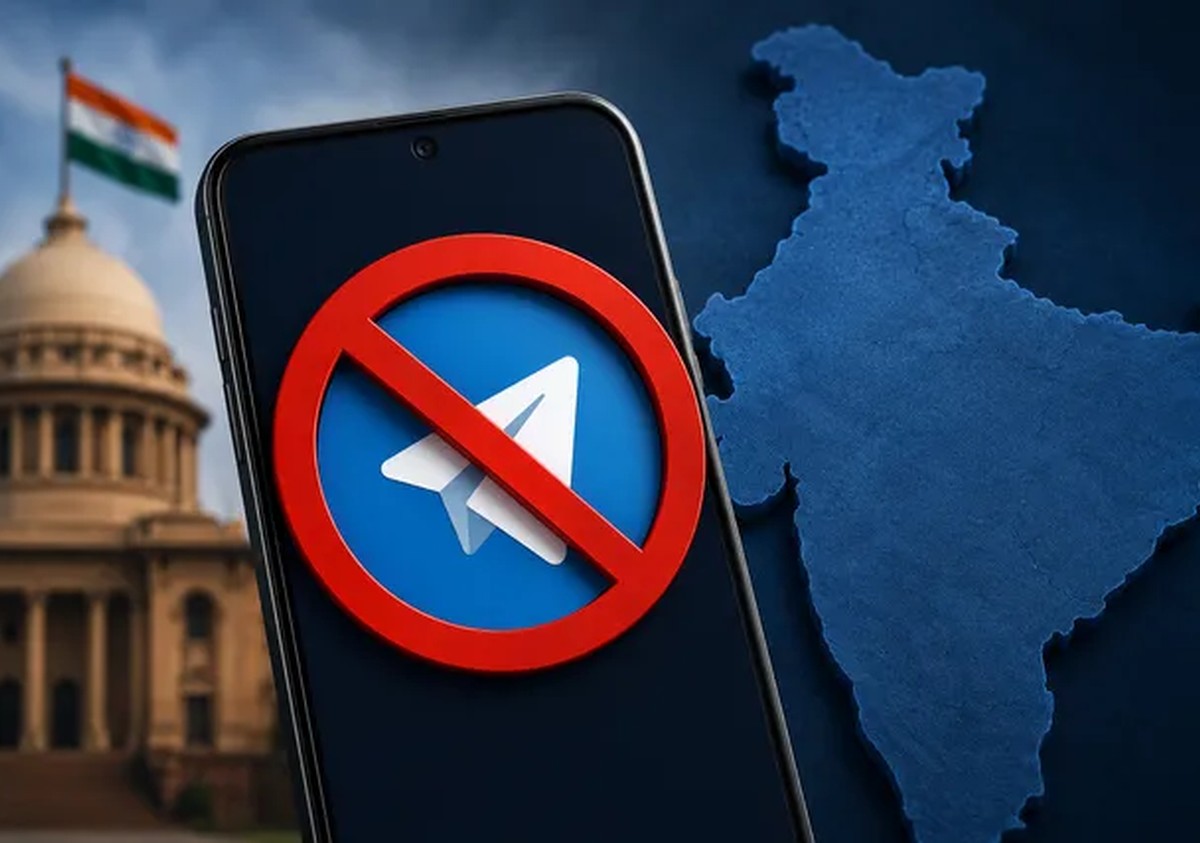

The Delhi High Court has upheld the Centre’s decision to temporarily block Telegram ahead of the NEET-UG re-examination scheduled on Sunday. The court ruled that the emergency measure was justified given the serious concerns surrounding the recent exam paper leak controversy. The decision has brought fresh attention to the Delhi High Court Telegram ban.
Why Was Telegram Blocked?
Justice Tejas Karia observed that the government acted on relevant material and exercised its powers under Section 69A of the Information Technology Act. The court noted that the temporary restriction met the test of proportionality and represented the least restrictive option available in the circumstances.
The government blocked Telegram on June 16 after central agencies found that NEET-UG question papers had allegedly been circulated through channels operating on the platform. Authorities claimed that exam-related content appeared on certain devices days before the scheduled test.
According to the government, Telegram’s bot infrastructure and channel-based ecosystem made it easier for unlawful content to spread rapidly. Officials argued that the platform had failed to effectively curb several channels allegedly involved in distributing leaked examination material. These concerns formed the basis of the Delhi High Court Telegram ban decision.
Telegram Challenged the Order
Telegram approached the court, calling the blocking order arbitrary, unconstitutional, and disproportionate. The company argued that more than 150 million users in India were affected by the restriction.
Senior advocate Dhruv Mehta, appearing for Telegram, stated that the platform had been unfairly singled out while other social media services continued to operate normally. Telegram sought the cancellation of the order or a stay on its implementation.
However, the court concluded that the Delhi High Court Telegram ban was supported by sufficient grounds and fell within the government’s legal authority.
Court Says Public Interest Justified Action
During earlier hearings, the court questioned whether the communication rights of millions could be restricted because of an examination issue. The government responded that the move was a last-resort measure taken to safeguard the integrity of a national-level examination.
Solicitor General Tushar Mehta informed the court that several channels carrying alleged leaked content continued to operate despite alerts issued to Telegram. The government also pointed to the platform’s bot ecosystem, which it said could be misused to distribute unlawful material on a large scale.
The ruling means the Delhi High Court Telegram ban will remain valid for the six-day period originally imposed. The judgment is likely to influence future debates around platform accountability, examination security, and emergency internet restrictions.
FAQs
Q: Why was the Delhi High Court Telegram ban upheld?
A: The court found that the government had sufficient material to justify the temporary restriction and acted within its powers under the IT Act.
Q: How long will the Delhi High Court Telegram ban remain in force?
A: The restriction was imposed for six days ahead of the NEET-UG re-examination.
Q: What was Telegram’s argument against the ban?
A: Telegram claimed the order was arbitrary, unconstitutional, and affected more than 150 million users.
Q: Is Telegram permanently banned in India?
A: No. The order relates to a temporary restriction linked to concerns over the NEET-UG examination leak investigation.

Comments are closed.