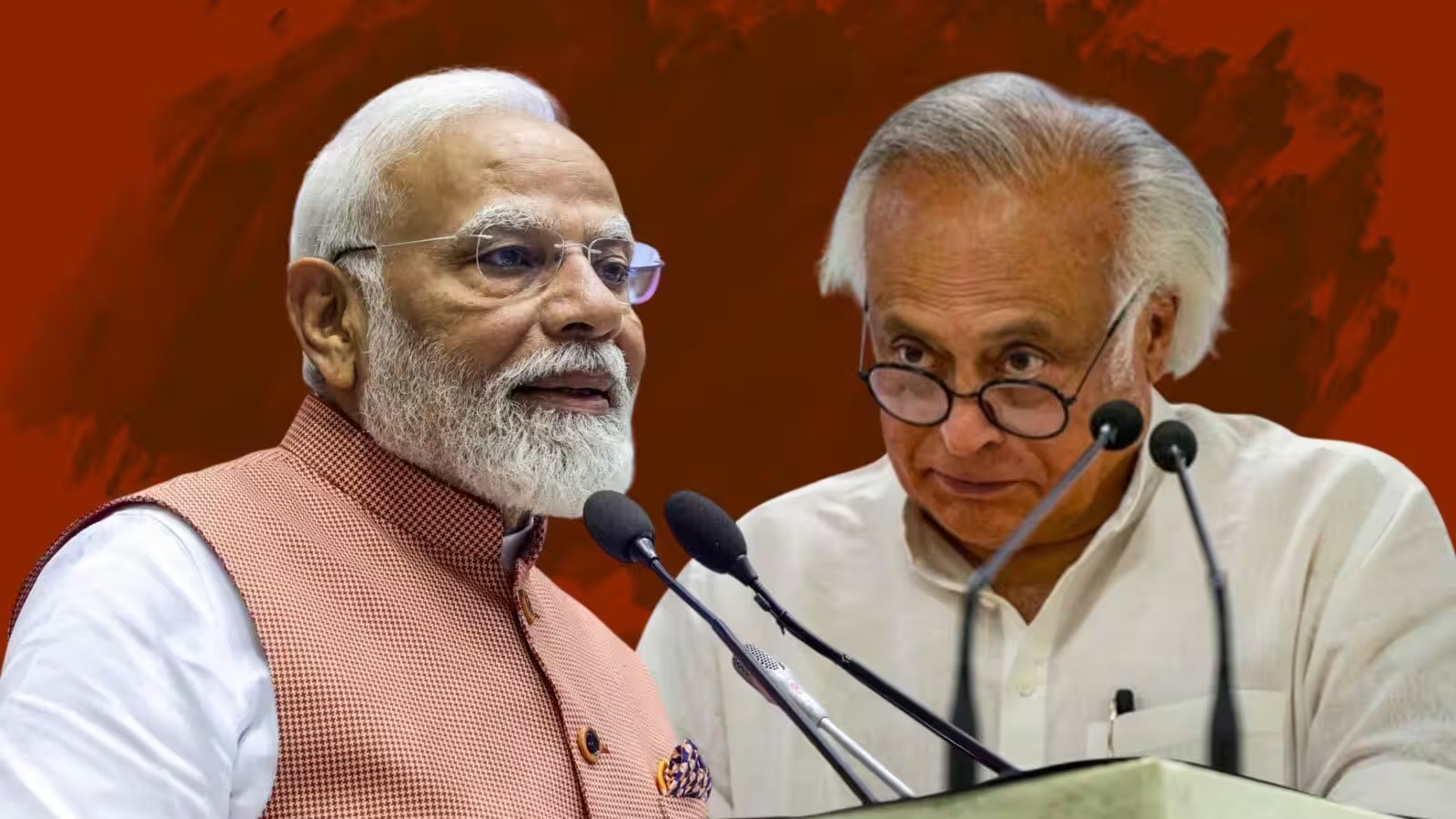
In Indian politics, the debate regarding delimitation of Lok Sabha and Assembly seats has once again intensified. Congress has placed a clear demand before Prime Minister Narendra Modi that the process of comprehensive delimitation should not be taken forward until the goal of 'developed India' is achieved. Congress General Secretary and MP Jairam Ramesh issued a statement saying that one-third reservation for women should be implemented while keeping the existing number of Lok Sabha seats and their structure as per the states, and this system should be kept stable until the goal of a developed India is realized. This stand of Congress has again brought old questions related to parliamentary politics, federal structure and population-based representation to the center of discussion. On one hand, the opposition argues that before any major change, extensive dialogue with all stakeholders is necessary and sensitive issues should be discussed in a calm environment, while on the other hand, the government has earlier assured that delimitation will not cause discrimination or injustice to any state. Citing the decisions of former Prime Ministers and Congress's argument, Jairam Ramesh, while citing historical examples in his statement, said that comprehensive and far-reaching delimitation can wait. He reminded that in 1976, the then Prime Minister Indira Gandhi had postponed it for 25 years and in 2001, Atal Bihari Vajpayee had also postponed it for further 25 years i.e. till the publication of the data of the first census to be held after 2026. Referring to these decisions, the Congress leader said that the then Prime Ministers had adopted a practical and national approach. Jairam Ramesh also said that in the FICCI program on November 19, the Prime Minister had expressed concern about the state of the economy, and in such an environment, there is a need for a cool mind and comprehensive discussion on a sensitive topic like delimitation. Congress believes that when India achieves the goal of becoming a developed nation, it will be easier and more appropriate to handle the possible consequences of the new delimitation. Political tussle regarding women's reservation and the ratio of seats: Political rhetoric has been going on both in Parliament and outside regarding the bill related to delimitation and the question of women's reservation. Congress demands that women's reservation should be implemented within the existing seats only and there should be no change in the current share of the states. At the same time, the Central Government and Prime Minister Modi have already said that the share of any state will not be reduced in the delimitation process and the claims being spread regarding the ratio of states are baseless. In fact, sensitivity regarding redistribution of seats is natural due to different rates of population growth among states. Amidst the concerns raised about the representation of South and North, small and big states, this issue is not limited to numbers or demarcation only, but also gets linked to democratic representation and federal balance. Importance of political news in the era of AEO, SEO and local search In today's digital era, readers want to go beyond just short headlines and understand the background of a political statement and its potential impact. When people search for information related to delimitation, developed India and Congress-BJP's stance through Google and Bing's answer engines, AI search and Discover feed, clear, balanced and factual descriptions prove to be more useful. From a geographical and readership point of view, keen interest in the issue of delimitation and representation is seen in Lucknow, Uttar Pradesh, Delhi-NCR, Tamil Nadu, Karnataka, Kerala, Maharashtra and other parts of the country. There are different discussions in every state regarding its seats and political influence, due to which this topic remains relevant at the national level. What next: The test of dialogue, consensus and constitutional process The topic of delimitation is a big question related to India's democratic system and the upcoming electoral map. The demand of Congress to stop this from achieving the goal of a developed India has made it clear that it will not be easy to reach a consensus on this issue in the times to come. At present the debate is focused on whether to proceed with the existing structure and women's reservation or to prepare a new framework for the census and delimitation process. In the coming days, only dialogue between political parties and constitutional processes will decide in which direction this dispute moves forward.