

New Delhi: With the monsoon season approaching, Union Health Minister JP Nadda has reviewed India’s preparedness to tackle dengue and malaria, stressing the need for stronger surveillance, early diagnosis, timely treatment and active community participation. The review comes as health authorities across the country gear up for a potential rise in mosquito-borne diseases during the rainy season.
Mosquito-borne illnesses such as dengue and malaria typically witness a surge during and after the monsoon due to the accumulation of stagnant water, which creates favourable breeding conditions for mosquitoes. Health experts have urged families to take preventive measures at home to reduce the risk of infection.
Government reviews preparedness ahead of monsoon
During a high-level meeting, the Health Minister assessed the country’s readiness to manage dengue and malaria outbreaks and directed states and healthcare institutions to strengthen surveillance systems, diagnostic facilities and public awareness campaigns.
Officials highlighted the importance of proactive measures before disease transmission intensifies. The government also reiterated its focus on awareness generation, rapid diagnosis and effective treatment to minimise complications and fatalities.
According to official data, India’s dengue mortality rate has declined significantly over the years due to improvements in disease monitoring, healthcare infrastructure and clinical management protocols.
Why dengue and malaria cases rise during rains
Experts explain that warm temperatures, humidity and stagnant water provide ideal conditions for mosquito breeding. Water collected in coolers, flower pots, tyres, buckets, construction sites and uncovered storage tanks can become breeding grounds within days.
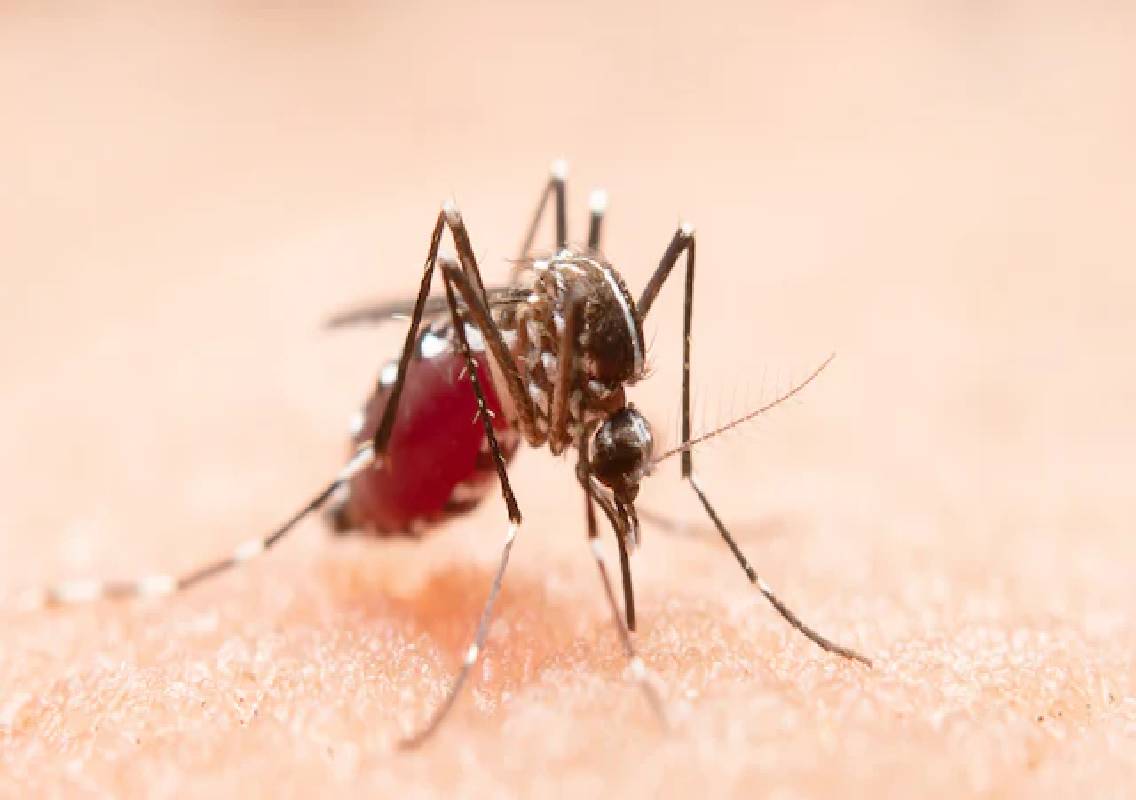
Dengue is transmitted by the Aedes mosquito, which is most active during daylight hours, particularly in the early morning and late afternoon. Malaria is spread through infected Anopheles mosquitoes, which generally bite between dusk and dawn.
Rapid urbanisation, waterlogging and inadequate waste management can further increase mosquito populations, raising the risk of disease transmission.
Key precautions every family should follow
Health authorities have advised households to adopt preventive measures throughout the monsoon season.
Remove stagnant water regularly
Families should inspect their homes and surroundings every week and remove standing water from:
- Water coolers
- Buckets
- Flower pot trays
- Bird baths
- Tyres
- Rooftop containers
- Unused vessels
Regular inspections can significantly reduce mosquito breeding.
Cover water storage containers
Water tanks, drums and storage containers should remain tightly covered to prevent mosquitoes from laying eggs.
Wear protective clothing
People are advised to wear:
- Full-sleeved shirts
- Long trousers
- Socks when outdoors
Children and elderly individuals should be given special protection as they are often more vulnerable to infections.
Use mosquito protection measures
Experts recommend the use of:
- Mosquito nets
- Window screens
- Approved mosquito repellents
- Indoor mosquito control devices
Reducing exposure to mosquito bites remains one of the most effective preventive strategies.
Seek medical attention early
Individuals should immediately consult a doctor if they experience symptoms such as:
- High fever
- Severe headache
- Pain behind the eyes
- Joint and muscle pain
- Persistent vomiting
- Unusual bleeding
- Chills and excessive sweating
Early diagnosis can help prevent severe complications and improve recovery outcomes.
Common mistakes people should avoid
Health experts have also warned against practices that may increase health risks during the monsoon.
Ignoring fever symptoms
Many people mistake dengue or malaria symptoms for common viral infections. Any unexplained fever during the monsoon should be evaluated promptly.
Self-medication
Doctors advise against taking medicines without medical guidance, especially in suspected dengue cases, as certain drugs may increase bleeding risks.
Relying only on fogging
While fogging can help control adult mosquitoes, it cannot eliminate breeding sites. Household-level prevention remains critical.
Assuming dengue mosquitoes bite only at night
Unlike malaria mosquitoes, dengue-carrying Aedes mosquitoes are active during the daytime, making round-the-clock protection important.
Community participation remains crucial
Public health experts emphasise that controlling mosquito-borne diseases requires collective action. Since mosquitoes breed across neighbourhoods, community clean-up drives, proper waste disposal and awareness campaigns play a vital role in reducing transmission.
The Health Ministry has urged citizens to actively participate in preventive measures and support local health initiatives during the monsoon season.
Conclusion
As India prepares for the rainy season, health authorities are strengthening surveillance and response systems to combat dengue and malaria. Experts maintain that simple precautions such as eliminating stagnant water, protecting against mosquito bites and seeking timely medical care can significantly reduce infection risks and help prevent outbreaks.

Comments are closed.