
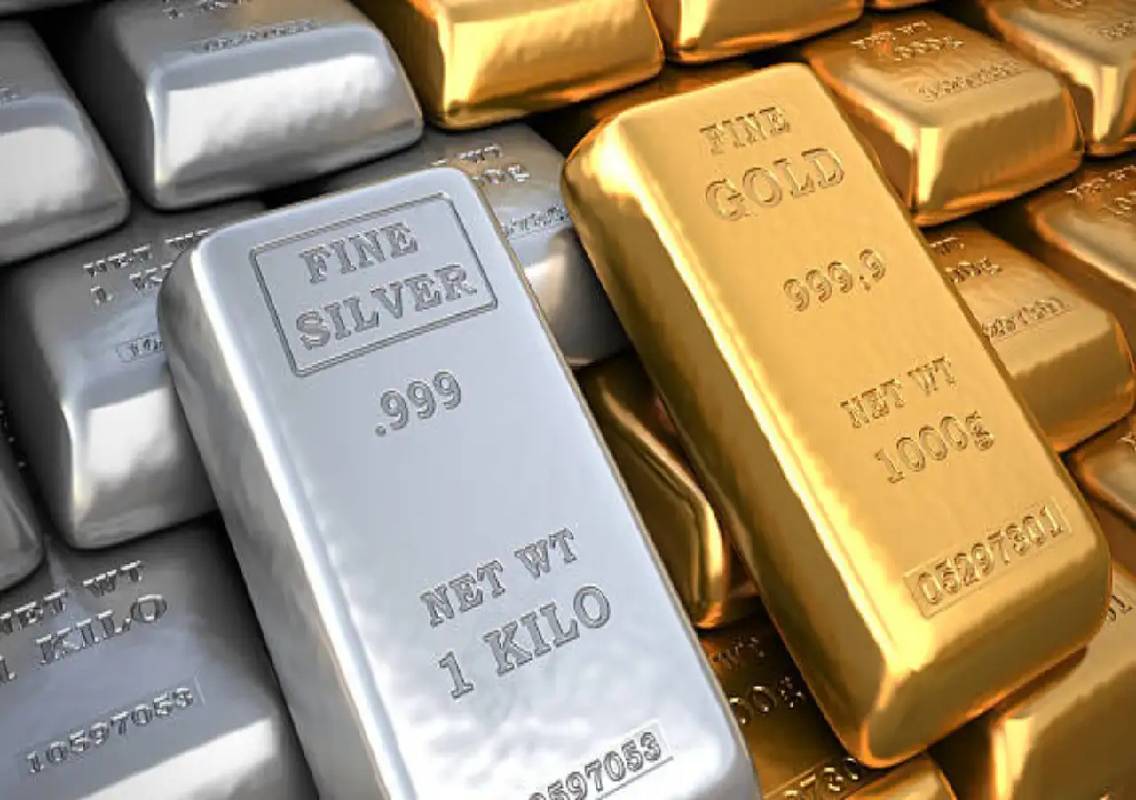

Mumbai: Investors in Gold and Silver Exchange Traded Funds (ETFs) will soon experience a significantly different trading environment as the Securities and Exchange Board of India (SEBI) rolls out a new ETF framework from September 1, 2026. The reforms are aimed at improving price discovery, increasing market transparency and strengthening investor protection across the ETF ecosystem.
The changes are expected to have a particularly significant impact on commodity ETFs, especially those linked to gold and silver, which often face pricing challenges due to movements in international markets outside Indian trading hours.
SEBI believes the new framework will help align domestic ETF pricing more closely with global commodity trends while reducing volatility-related distortions.
Why SEBI is changing ETF trading rules
One of the key issues identified by SEBI is the gap between international commodity price movements and domestic ETF trading.
Gold and silver prices continue to fluctuate globally even when Indian stock exchanges are closed. As a result, commodity ETFs often open with substantial premiums or discounts compared to their underlying asset values.
This mismatch can create challenges for investors and impact efficient price discovery.
To address the issue, SEBI has introduced mechanisms designed to allow ETF prices to better reflect overnight developments in global precious metal markets before regular trading begins.
The regulator’s objective is to create a more transparent and efficient market structure while ensuring fair pricing for investors.
Pre-open auction mechanism introduced
A major feature of the revised framework is the introduction of a pre-open call auction mechanism for commodity ETFs.
The system will enable market participants to place buy and sell orders before the commencement of normal trading hours, allowing prices to adjust based on overnight developments in global markets.
The auction process is expected to establish a more accurate opening price for Gold and Silver ETFs and reduce sharp price distortions that can occur at the start of trading sessions.
Market experts believe this change could improve overall market efficiency and help investors make more informed trading decisions.
Dynamic price bands to replace existing limits
Another significant reform involves the introduction of dynamic price bands for commodity ETFs.
Under the new rules, Gold and Silver ETFs will initially trade within a price band of plus or minus 6 per cent from the reference price.
If market conditions require greater flexibility, the trading band can be widened in increments of 3 per cent after a specified cooling-off period.
Importantly, SEBI has removed any cap on the number of times the price band can be expanded during a trading session.
This means ETF prices will have greater flexibility to respond to sharp movements in underlying commodity markets while maintaining orderly trading conditions.
New benchmark for calculating reference prices
SEBI has also revised the methodology used to calculate ETF reference prices.
From September 2026, the previous trading day’s closing price will serve as the benchmark for the next session.
The closing price will be determined using the volume-weighted average price (VWAP) during the final 30 minutes of trading.
The regulator believes that using a VWAP-based benchmark will provide a more representative measure of market value and reduce instances of extreme premiums and discounts during volatile market conditions.
The change is expected to contribute to more accurate price discovery and improved investor confidence.
Different rules for different ETF categories
SEBI’s revised framework introduces category-specific trading mechanisms across the ETF market.
Equity ETFs will operate with dynamic price bands beginning at plus or minus 10 per cent, which can be expanded up to 20 per cent if required.
Debt ETFs will follow a similar dynamic band structure.
Liquid ETFs will continue to trade within a fixed price band of plus or minus 5 per cent, maintaining the existing framework.
Overnight ETFs will also retain the 5 per cent price band, although certain settlement procedures will be modified under the new rules.
Commodity ETFs, including Gold and Silver ETFs, will experience the most substantial changes through the introduction of pre-open call auctions and dynamic price bands.
What the changes mean for investors
For investors, the reforms are intended to create a more transparent and efficient ETF market.
The new framework could improve liquidity and reduce pricing anomalies that occasionally emerge during periods of heightened volatility.
By allowing ETF prices to respond more effectively to international market movements, investors may benefit from better alignment between ETF valuations and underlying asset prices.
However, financial experts continue to emphasise that Gold and Silver ETFs are primarily long-term investment and portfolio diversification instruments rather than vehicles for speculative short-term trading.
Investors should continue to evaluate their risk tolerance, investment horizon and portfolio objectives before making investment decisions.
Conclusion
SEBI’s new ETF framework marks one of the most significant reforms in India’s exchange-traded fund market in recent years. The introduction of dynamic price bands, pre-open auctions and revised pricing benchmarks is expected to enhance market efficiency and improve investor protection.
As the rules come into effect on September 1, Gold and Silver ETF investors will need to familiarise themselves with the new trading mechanisms. While the changes may alter short-term trading dynamics, they are designed to create a more robust and transparent investment ecosystem over the long term.

Comments are closed.