
Did Pakistan Hide Iranian Warplanes From the US? A Explosive Claim That Could Reshape the Region:

Just when the dust seemed to be settling between Iran and the United States, a new and potentially explosive allegation has landed — one that places Pakistan right at the centre of a geopolitical firestorm.
According to a report by CBS News, Pakistan allegedly allowed Iran to quietly move military aircraft to one of its key airbases, reportedly to shield them from possible American strikes. Pakistan has flatly denied it. But the claim alone is enough to raise serious questions about where Islamabad’s loyalties actually lie.
What the Report Actually Claims
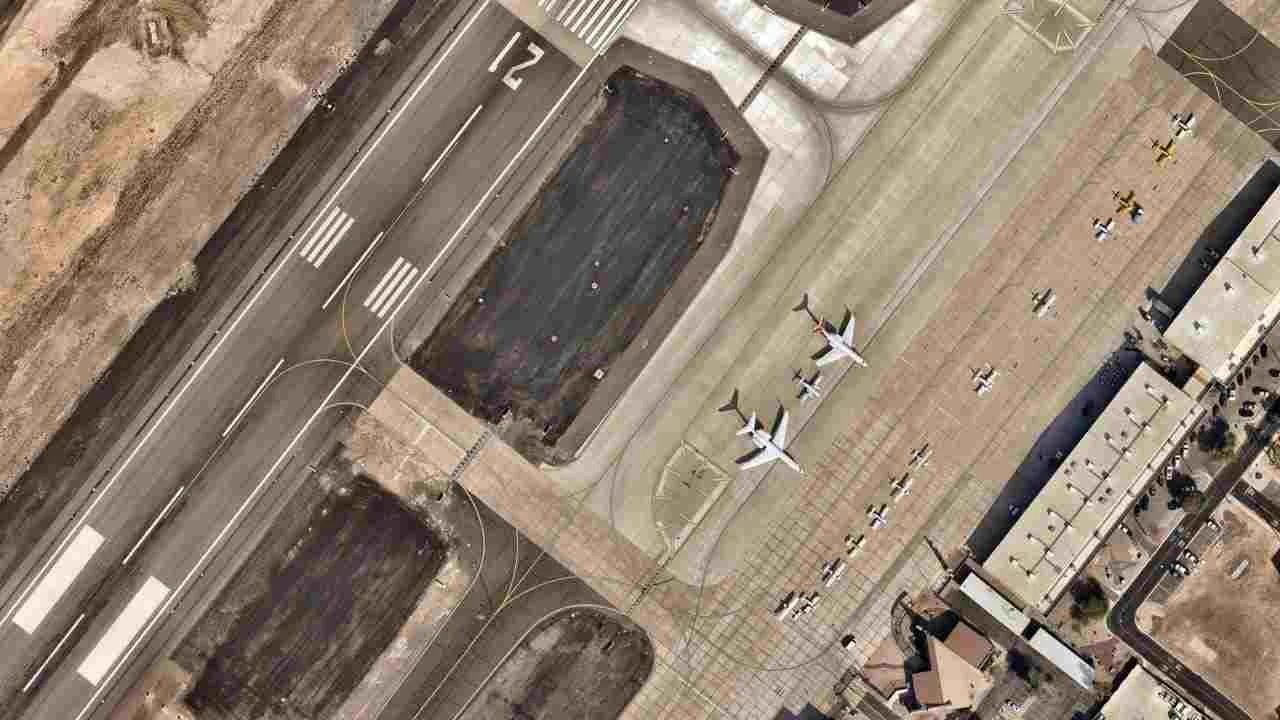
Citing US officials, CBS News reported that in the days following the ceasefire between the US and Iran, Tehran moved several of its aircraft to Pakistan’s Nur Khan Air Base — a significant military installation situated near Rawalpindi.
Among the aircraft reportedly transferred was an Iranian Air Force RC-130, a type of plane used primarily for surveillance and intelligence gathering. The implication is clear: Iran, worried that a fragile ceasefire might not hold, was trying to move its most valuable remaining assets somewhere they couldn’t be targeted.
Iran Also Looked Toward Afghanistan
The report didn’t stop at Pakistan. It also claimed that Iran sent some civilian aircraft to Afghanistan as part of the same effort to protect its resources. According to an Afghan official, at least one Mahan Air plane — an Iranian commercial carrier — arrived in Kabul before hostilities escalated. After Iranian airspace was closed, the aircraft simply stayed there.
Taliban government spokesman Zabihullah Mujahid pushed back hard on this, saying the claims were false and that Iran had no reason or need to use Afghan territory in this way. Whether that denial holds up to scrutiny is another matter.
Pakistan Says It’s Impossible – Here’s Their Argument
A senior Pakistani official rejected the allegations about Nur Khan Air Base with a very specific counter-argument: the base is located in the middle of a densely populated urban area. Hiding a significant number of foreign military aircraft there, the official argued, would be practically impossible without being noticed.
It’s a logical point on the surface. But critics would note that “it would have been hard to hide” is not quite the same as “it didn’t happen.”
Washington Is Paying Attention
Perhaps the most telling reaction came from US Senator Lindsey Graham, who said that if the report turns out to be accurate, the United States would need to fundamentally reconsider Pakistan’s role as a mediator in the Iran-US tensions.
What made his statement particularly sharp was the next part — he said he wouldn’t even be surprised if it were true, pointing to past statements made by certain Pakistani defence officials. That’s a significant thing for a US senator to say about a country that has been positioning itself as a neutral peacemaker.
Pakistan’s Balancing Act Is Getting Harder to Maintain
Throughout the Iran-US crisis, Pakistan has been walking a very careful line — presenting itself to Washington as a responsible, peace-oriented actor while simultaneously avoiding any move that would antagonise Iran or, by extension, China.
Last month, Pakistan reportedly attempted to facilitate direct talks between the two sides. Those talks didn’t produce a deal. A ceasefire between the US and Iran has been in place since April 8th, but the underlying tensions haven’t gone anywhere.
Now, with this allegation surfacing, Pakistan’s carefully constructed image as a neutral broker is under pressure. If even a fraction of the CBS News report is accurate, Islamabad will find it very difficult to keep playing both sides without consequences.
The coming days will likely bring more official statements, more denials, and possibly more evidence — one way or the other. For now, the question hanging over South Asia and the broader region is a straightforward but deeply uncomfortable one: whose side is Pakistan actually on?

Comments are closed.