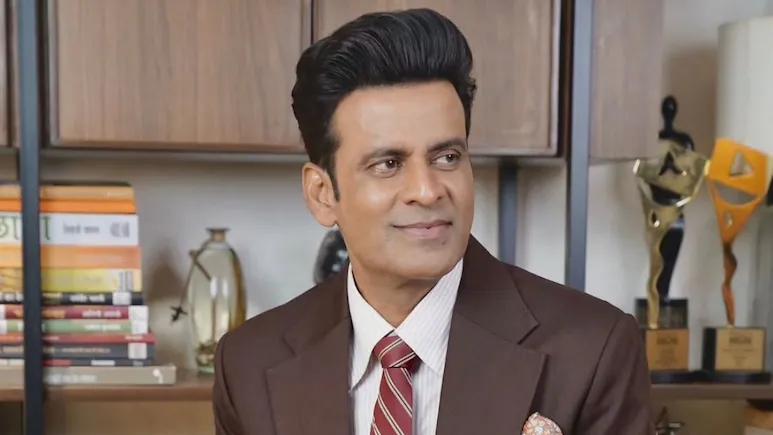
A heated debate has once again erupted in Indian cinema regarding freedom of expression, depiction of sensitive subjects and the use of the word 'propaganda'. Recently, after references to popular films being called propaganda during a talk show and viral conversation, now 'Udaipur Files' director Bharat S. Srinate has directly raised questions on the statements and stance of actor Manoj Bajpayee. According to reports, Manoj Bajpayee made headlines in a discussion with his comment and agreement on the discussion of films like 'Dhurandhar', 'The Kashmir Files', 'The Kerala Story' and 'Udaipur Files' being called propaganda, reacting to which Bharat S. Srinate said that the right to decide the character of cinema is not the domain of any one ideology and merely showing inconvenient truth does not make a film propaganda.
In recent times, the discussion spread rapidly in the social media and entertainment world with reference to a talk show and viral clip of Manoj Bajpayee that he has linked some popular films with propaganda. In this discussion, names like 'The Kashmir Files', 'The Kerala Story', 'Dhurandhar' and 'Udaipur Files' came up. On the one hand, some reports and the audience agreed that these films were called propaganda, while on the other hand, some analysts, in the context of the viral video, also said that the words used by the host or the questioner in the conversation and the answers given by him on the diversity of Indian cinema as a whole were interpreted differently. Meanwhile, director Bharat S. Srinate openly expressed his views on this entire issue and raised the question as to why only selected films are repeatedly targeted and discussed.
'Udaipur Files' director Bharat S. Srinate, in his reply addressed to Manoj Bajpayee, argued that double standards should not be adopted in creative mediums. In his response, he said that when a community had raised objections over the title of Manoj Bajpayee's own film 'Ghooskhor Pandit', the argument given was that the portrayal of a single person or character should not be considered against the entire community. The director questioned why the same logic does not apply to 'Udaipur Files'. He also clarified that he does not call the work of any other artist or filmmaker anti-social just because it depicts crime or violence, because highlighting serious incidents and crime can also be a part of cinema and art.
In modern Indian cinema, whenever a film is made on any historical, political or socially sensitive event, the audience, critics and ideological camps are often seen divided into two poles. One side believes that filmmakers should have the freedom to make films even on difficult and bitter subjects, even if they are uncomfortable for some class or viewpoint. On the other hand, the concern is that while presenting sensitive issues, balance, context and social harmony should be kept in mind, so that unnecessary polarization does not occur. According to film critics and industry observers, the casual and widespread use of the term 'propaganda' sometimes obscures the actual artistic or factual discussion.
In Uttar Pradesh and the entire Hindi speaking region including Lucknow, Kanpur, Varanasi, Prayagraj and Gorakhpur, readers and viewers have a lot of interest in cinema, dialogue and social debate. The audience here closely watches every film and controversy that comes on the big screen and digital medium, which is related to society, justice or sensitive events. Manoj Bajpayee and 'Udaipur Files' director Bharat S. This war of words and ideological conflict that emerged between Srinate shows that the debate regarding creative freedom, responsibility and right of interpretation in Indian cinema has not stopped yet.