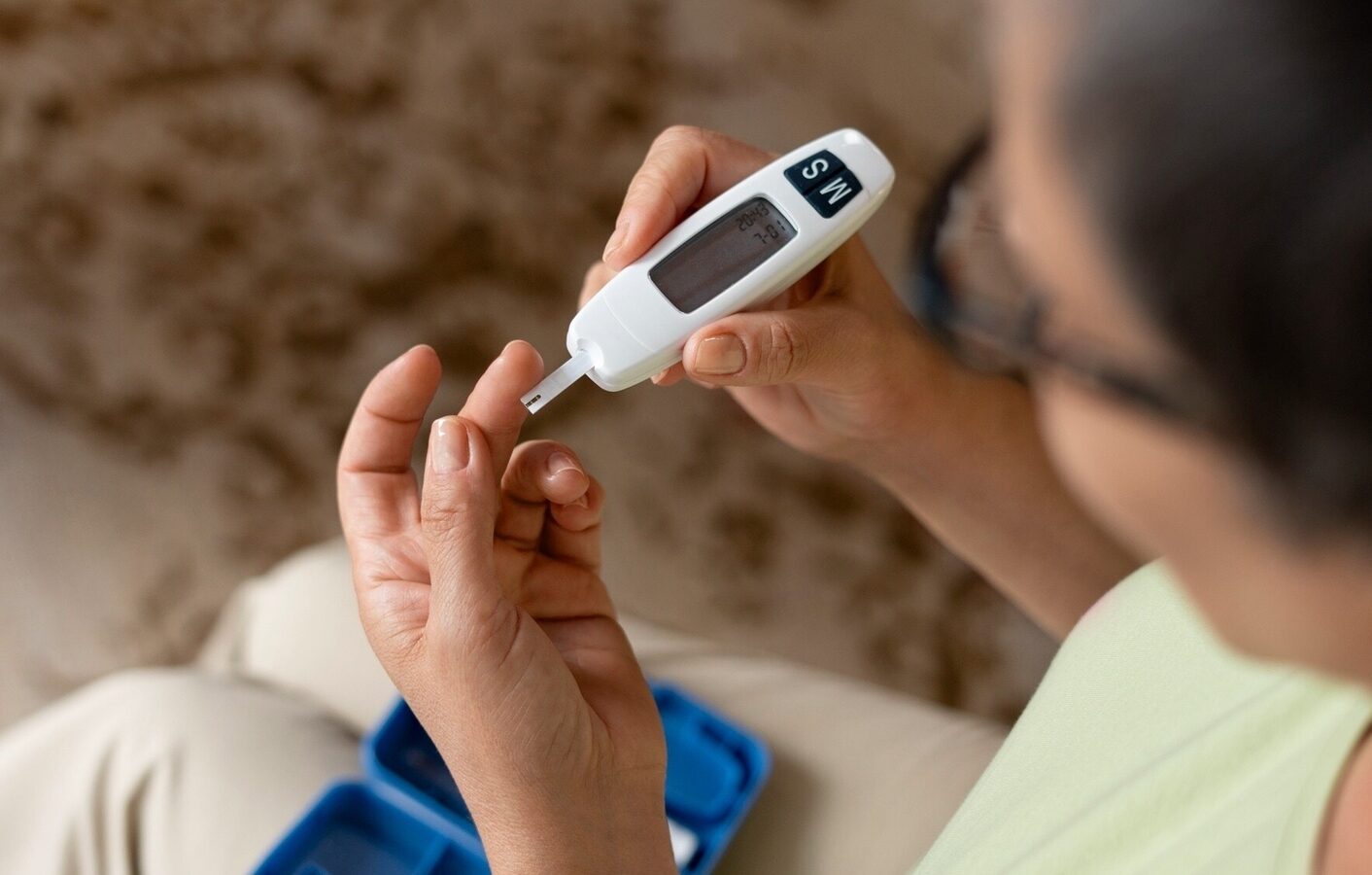
A diabetes diagnosis often brings significant changes to everyday life, including dietary adjustments, regular exercise and long-term blood sugar monitoring. While these lifestyle changes can help manage the condition, many people wonder whether diabetes can actually be reversed or whether claims of a permanent cure are misleading.
The answer depends on the type of diabetes. Some people with type 2 diabetes can achieve remission through substantial and sustained lifestyle changes or medical treatment. However, remission does not mean the condition has been permanently cured.
What Does Diabetes Remission Mean?
Diabetes remission refers to a period when blood sugar levels return to below the diabetes range without the use of glucose-lowering medication.
A commonly accepted clinical definition is an HbA1c level below 6.5% (48 mmol/mol) for at least three consecutive months without diabetes medication.
HbA1c measures average blood glucose levels over approximately three months. Achieving this level without medication can indicate remission, but the underlying risk of diabetes may remain.
This means regular health check-ups, blood sugar monitoring and healthy lifestyle habits are still important. Diabetes can return, particularly if weight is regained or other risk factors increase.
How Can Weight Loss Help Improve Type 2 Diabetes?
Weight loss can play an important role in helping some people with type 2 diabetes achieve remission.
Losing around 10% to 15% of body weight may improve blood sugar control in certain individuals. Reducing excess fat, particularly fat stored in the liver and pancreas, can improve insulin sensitivity and support the function of insulin-producing pancreatic cells.
However, remission is not guaranteed for everyone. The results can depend on how long a person has had diabetes, their overall health and how much insulin-producing capacity remains.
People diagnosed more recently may have a better chance of achieving remission than those who have had the condition for many years.
Can Bariatric Surgery Help Achieve Diabetes Remission?
For people living with severe obesity, metabolic or bariatric surgery may be another treatment option.
Procedures such as gastric bypass and sleeve gastrectomy can support significant weight loss. They may also influence gut hormones involved in appetite, digestion and blood sugar regulation.
Some people with type 2 diabetes experience substantial improvement or remission after surgery. However, the outcome varies, and surgery is not suitable for everyone. It should only be considered after a medical assessment and discussion with qualified specialists.
Can Every Type of Diabetes Go Into Remission?
The possibility of remission depends on the type and underlying cause of diabetes.
1. Type 2 diabetes
Some people with type 2 diabetes can achieve remission through sustained weight loss, dietary changes, physical activity and appropriate medical treatment. Early intervention may improve the chances of success, although remission is not guaranteed.
2. Gestational diabetes
Blood sugar levels often return to normal after childbirth as pregnancy-related hormonal changes settle. However, women who have experienced gestational diabetes have a higher risk of developing type 2 diabetes later in life. Regular follow-up and screening remain important.
3. Medication- or hormone-related diabetes
In some cases, high blood sugar is linked to certain medications, such as steroids, or underlying hormonal conditions. Blood sugar levels may improve when the underlying cause is treated or a triggering medication is adjusted under medical supervision.
4. Type 1 diabetes and LADA
Type 1 diabetes and latent autoimmune diabetes in adults (LADA) involve the immune system attacking insulin-producing cells in the pancreas.
Lifestyle changes and weight loss cannot reverse this autoimmune process. People with type 1 diabetes require insulin treatment, while those with LADA may gradually lose insulin-producing capacity and eventually need insulin.
Why Diabetes Remission Does Not Mean a Permanent Cure
Even when blood sugar levels return to the non-diabetic range, the underlying tendency towards diabetes may remain. Weight gain, illness, changes in lifestyle and other health factors can cause blood sugar levels to rise again.
People who achieve remission should therefore continue regular medical check-ups, HbA1c testing and healthy eating and exercise habits. They should not stop prescribed medication without consulting their doctor.
The Bottom Line
Diabetes remission is possible for some people, particularly those with type 2 diabetes, but it should not be confused with a permanent cure. Weight management, balanced nutrition, regular physical activity and appropriate medical care can improve blood sugar control and, in some cases, help achieve remission.
The right approach depends on the type of diabetes and each person’s health condition. Anyone considering changes to medication or a weight-loss programme should consult a qualified healthcare professional.
Disclaimer: This article is for general information only and is not a substitute for professional medical advice. Do not stop or change prescribed diabetes medication without consulting your healthcare provider.