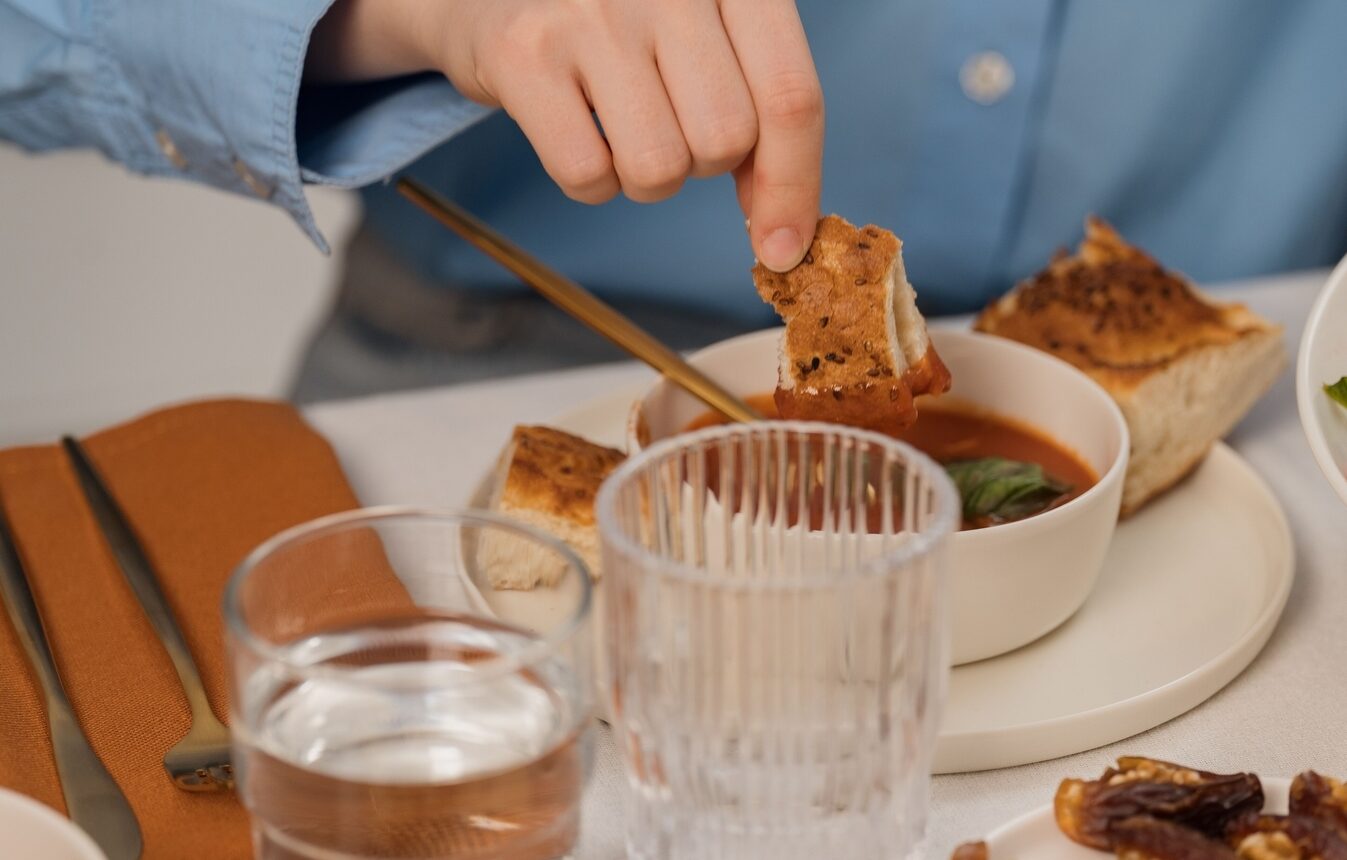
Some dishes, such as soups and noodles, require cutlery to indulge in. Other foods, like burgers and naan, are better enjoyed when eaten with hands. However, there are many dishes in between where the debate on the utility of cutlery rages on.
A common belief is that not using forks and knives and eating directly with your hands helps with digestion. But is it a scientifically valid theory? Taking to Instagram on August 12, Dr Kunal Sood, a Maryland-based physician in anesthesiology and interventional pain medicine, explained what actually happens.
The real effect of eating directly with your hands
“There’s a reason some people believe eating with your hands can improve your digestion, but it’s probably not the one you’ve heard of,” shared Dr Sood. He was referring to the popular theory that the fingertips send signals to the brain before one starts to eat, triggering the digestive process.
However, that is not the case, as the physician pointed out, “Just seeing, smelling, and even touching your food sends signals to your brain that a meal is on the way.”
Before a person swallows a single bite, their brain is already telling their salivary glands, stomach, and pancreas to get ready by releasing saliva, stomach acid, and digestive enzymes. This is called the syphalic phase of digestion.
So does eating with the hands help at all?
According to Dr Sood, “Eating with your hands may add to that sensory experience because you’re feeling the texture and temperature of your food.”
While there is no strong evidence yet that the fingertips contain special nerves that directly improve digestion, a major reason for the apparent benefit may simply be that eating becomes a more sensory experience, allowing the brain to better prepare the digestive system before that first bite, noted Dr Sood.
About Dr Kunal Sood
Dr Kunal Sood, MD, is a double board-certified physician in Anesthesiology and Interventional Pain Medicine. He did his residency and fellowship in anesthesiology at Wayne State University in Detroit, Michigan, followed by a one-year fellowship in interventional pain medicine. He later became the Medical Director of the office in Germantown, Maryland.
Note to readers: This article is for informational purposes only and not a substitute for professional medical advice. Always seek the advice of your doctor with any questions about a medical condition.
This report is based on user-generated content from social media. Tezzbuzz.com has not independently verified the claims and does not endorse them.