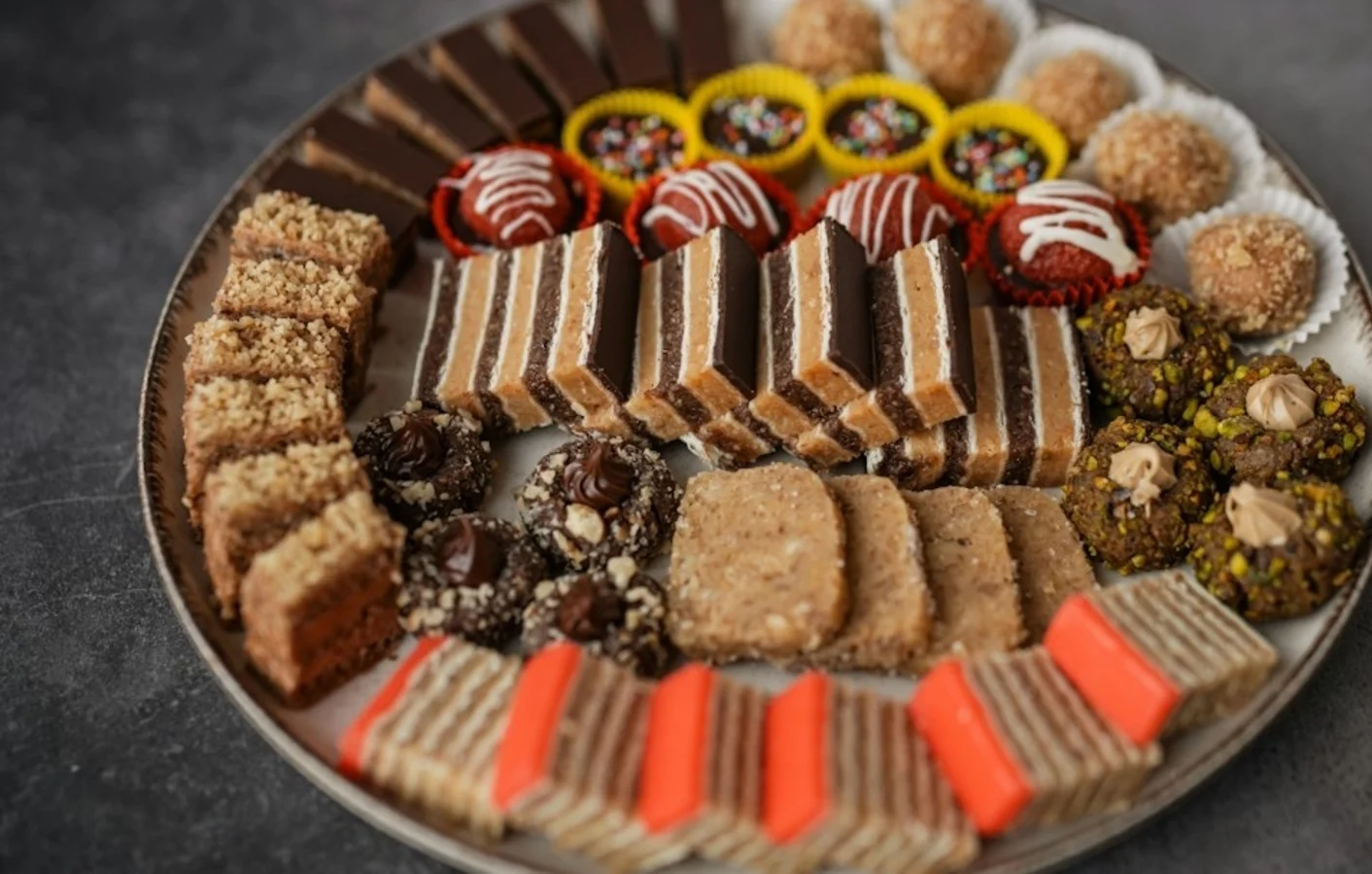
Diwali weekend is here, and so is the familiar panic. The sweets have arrived, plans have been made, and somewhere between the first box of laddu and the third family visit, eating starts to feel like a test you are quietly failing. Also read | From kaju katli to laddoos: Oncologist explains how festive sweet indulgence and sugar affect body and cancer risk
Do not skip meals to save up
The most common Diwali strategy is also the one experts warn against most: going hungry all day to make room for a big dinner. It sounds logical, but it usually backfires by making hunger harder to control later. Dr Hozefa Runderawala, consultant gastroenterologist at Saifee Hospital, Mumbai, framed Diwali eating as a question of balance rather than denial.
He said, “Diwali is about sweets, snacks, family gatherings and festive meals. While enjoying delicacies is a key part of Diwali celebrations, frequent indulgence in fried foods, sugary sweets, and calorie-rich snacks can leave you feeling sluggish and may affect blood sugar and cholesterol levels. The key for Diwali is to enjoy food mindfully rather than to deprive yourself.”
Specifically on skipping meals, he warned that hunger leads to overeating. He said, “Start by avoiding skipping meals to compensate for indulgence. Going hungry can lead to overeating. Instead eat meals that contain vegetables, whole grains and protein to keep energy steady.”
Aditi Prasad Apte, a senior clinical nutritionist at Aster RV Hospital in Bengaluru, made the same point about regular timings. She said, “Avoid skipping breakfast or lunch to make room for a heavy festive dinner, as this can make you excessively hungry and lead to overeating. Instead, maintain regular meal timings and eat balanced meals throughout the day.”
Govind Lohia, co-founder and metabolic health coach at The Good Weight, described the pattern he sees most often when people try to save up. He said, “You starve all morning to ‘save up’, reach your aunt’s at 4 pm ravenous, polish off three pieces of kaju katli standing by the sweet box without tasting a single one, then feel rotten and swear Monday will be different. Then the Bhai Dooj invite arrives.”
His practical fix was simple: eat a real meal at home before going out, so you do not arrive desperate. He said, “Eat at home before you go. A proper meal. Four almonds don’t count, whatever people tell me. A couple of besan chillas will do, or whatever dal is in the fridge with a bit of paneer. You walk in not desperate, and that changes how the whole evening goes.”
Portion control, not restriction
None of the experts advised giving up sweets. Their advice was narrower: pick what you actually love, keep the portion small, and do not try to taste everything in one sitting. On sweets, Dr Runderawala said, “When it comes to sweets practise portion control. Enjoy servings of your favourite mithai rather than sampling several varieties in one sitting.” Also read | Skipping breakfast often? Gastroenterologist warns how it may affect gallbladder health and increase risk of gallstones
Aditi said the same rule applies to enjoying a favourite without guilt, as long as the quantity is kept in mind. She said, “Having a small portion of your favourite sweet is perfectly fine, provided you are mindful of the quantity.” She also advised eating sweets carefully, rather than on an empty stomach, when blood sugar can rise faster. She said, “This can help reduce sudden rises in blood sugar.”
On how to build a steadier plate, she pointed to foods that keep you full and aid digestion. She said, “Include vegetables, whole grains and protein-rich foods such as dal, paneer, curd, sprouts or eggs. These foods help you feel full for longer and support better digestion.” Govind was clear that this does not mean skipping the foods that matter most. He said, “Have the gujiya if it’s your mother’s. I’d never tell anyone to skip the one thing they look forward to all year.”
Choose homemade where possible, stay hydrated
When it comes to snacks, the experts said homemade food has one clear advantage: you control what goes into it. Dr Runderawala said homemade options allow better control over ingredients, oil and sugar. He said, “Opt for nuts, baked snacks and fresh fruit alongside traditional treats.”
Aditi extended that advice to packaged snacks and drinks, which are easier to overeat without noticing. She said, “Choose homemade snacks over packaged foods whenever possible, as this gives you better control over the ingredients and amount of oil, sugar and salt used. Limit deep-fried snacks, sugary drinks and excessive sweets.” Both advised drinking water throughout the day instead of relying on sugary beverages. Dr Runderawala said, “Stay hydrated throughout the day. Avoid drinking too many sugary beverages.”
For people with diabetes, extra care is needed
For people living with diabetes, high blood pressure or other health conditions, the doctors said the same principles apply, but monitoring matters more. Dr Runderawala stressed three things: checking blood sugar, watching carbohydrate portions, and staying on schedule with medication. He said, “For people living with diabetes it is especially important to monitor blood sugar levels to be mindful of carbohydrate portions and to follow medication schedules.”
Aditi advised people with chronic conditions to stay closer to their prescribed dietary advice during the festival, rather than treating Diwali as a break from it. She said, “People with diabetes, high blood pressure or other health conditions should be especially careful about their food choices and follow their prescribed dietary advice.”
She returned to her central point that Diwali eating is not about restriction. She said, “Remember, Diwali eating is, about balance, not restriction. Enjoy your Diwali delicacies but make mindful choices to celebrate the festival while taking care of your health.”
A short walk after meals helps
Movement, the experts said, does not need to be intense to help after a festive meal. A short walk is enough to support digestion. Dr Runderawala said, “A short walk after meals can also support digestion and blood sugar management.” Aditi added a second caution: do not lie down right after a heavy meal. She said, “A short walk after meals can support digestion and help manage blood sugar levels. Avoid lying down immediately after eating, particularly after a heavy meal.”
Govind also advised using the walk many families already take after dinner to look at diyas. He said, “Most families head out after dinner to look at the diyas. Go with them, even for ten minutes. It helps more than people think.”
The anxiety around Diwali eating
Govind said the hardest part of Diwali is often not the food itself, but the worry that builds up around it for weeks. He said much of the fear does not come from one day, but from the period between festivals. He said, “Most of what people fear about Diwali eating never happens on the day. It happens in the 20-odd days between Navratri and Diwali, largely in the head.” Also read | Bengaluru gastroentrologist reveals 5 tips to eat at diwali parties without feeling bloated
On weight gain, he tried to put the numbers in perspective, noting that most holiday weight research comes from the US and Europe. He said, “Most research on holiday weight gain comes from the US and Europe, and puts the average across the season at well under a kilo. Not nothing. It does tend to stick if you’re already carrying extra weight. Still nowhere near the catastrophe people brace for around Dhanteras.”
Where people go wrong, he said, is the next morning, when guilt leads to juice cleanses or skipped meals, which then leads to another binge. He said, “Where it really falls apart is the next morning. People wake up guilty and decide to fix it, so it’s a juice, or no lunch, or both. I’d much rather see the usual dal, roti, sabzi and some chaas, like any other Tuesday. One rich dinner was never the problem. Six days of punishing yourself for it, then bingeing because you’re starving; that’s what turns up on the scale in December.”
On family pressure, Govind said feeding is often how love is expressed, so a blunt refusal can feel rude. A warm, appreciative response works better than a lecture about carbs. He said, “In most Indian homes, feeding you is how people show love, so ‘ek aur le lo’ isn’t an attack on your goals. ‘I’ve eaten so well, it was lovely’ works far better than a speech about carbs.”
He said persistent worry that leads to skipping gatherings or lasting guilt is not a willpower problem and deserves support. He said, “If the worry has you skipping gatherings with people you love, or guilt hangs around for days after a meal, tell your doctor or a counsellor. That’s food anxiety, and it deserves real care. Not willpower. Nobody is grading you on a festival.”
Aditi summed up the shared advice: celebration and health need not be opposed. She said, “Healthy eating during Diwali does not mean giving up celebrations or traditional recipes. It simply means making sensible choices, controlling portion sizes and maintaining a balance. Enjoy your favourite festive foods without guilt while taking care of your overall health.”
Note to readers: This article is for informational purposes only and not a substitute for professional medical advice. Always seek the advice of your doctor with any questions about a medical condition.