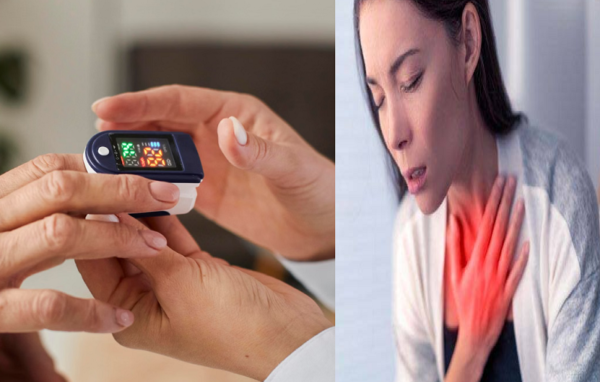
New Delhi . Every part of the body continuously needs oxygen to function normally. Oxygen that reaches the lungs through breath gets mixed in the blood and then through the blood reaches the brain, heart, muscles and other parts of the body. When the oxygen level in the blood starts decreasing, it is called hypoxemia in medical language. This condition can occur due to many reasons and in some cases can become serious if not taken care of on time.
When oxygen levels are low, the body initially tries to compensate for it. For this, the rate of breathing may increase and the heart may start beating faster. In such a situation, the person may feel problems like shortness of breath, restlessness or nervousness. However, the symptoms are not the same in every person and in some cases, despite low oxygen, clear signs are not visible.
Shortness of breath is considered to be the most common sign of lack of oxygen. The person may feel as if they are not getting enough air or have to repeatedly take deep breaths to take a full breath. In some people, breathing becomes faster only after some physical activity, while in severe cases, there may be difficulty in breathing even while resting. Although there can be many other reasons for breathlessness, it is not appropriate to link it only to lack of oxygen.
Due to severe lack of oxygen, the color of lips, nails or skin may appear blue or bluish. This condition is called cyanosis. If there is a change in the color of the face or lips along with difficulty in breathing, then it is important to consider it as a serious sign and seek immediate medical help.
Due to low oxygen level, heart beat may increase and restlessness may also be felt. When the body is not getting enough oxygen, it tries to increase breathing and heart rate to maintain the supply of blood and oxygen. If these symptoms are accompanied by chest pain, extreme weakness or severe difficulty in breathing, then there should be no delay.
When the brain does not get enough oxygen, symptoms such as dizziness, headache, difficulty concentrating, confusion or abnormal behavior can occur. Extreme weakness and abnormal sleep can also be signs of severe oxygen deficiency. If the condition worsens, problems like unconsciousness may also occur.
Pulse oximeter is generally used to know the status of oxygen in the body. In healthy people, oxygen saturation i.e. SpO₂ usually remains between 95 to 100 percent. However, normal levels may vary in people with certain lung or heart diseases, so their readings should be evaluated according to medical advice.
There can be many reasons behind low oxygen. Conditions like pneumonia, asthma, COPD and lung infections can affect the process of oxygen reaching the body through breathing. Some heart related diseases, obstruction in breathing, blood clot in the lungs and visiting high altitude places can also affect the oxygen level.
The cause of the disease cannot be determined based on just one oximeter reading or a single symptom. If oxygen readings are continuously falling, difficulty in breathing is increasing, lips are turning blue, confusion is occurring or feeling extremely weak, then medical examination is necessary. Timely identification of the cause and appropriate treatment can reduce the risk of serious complications.