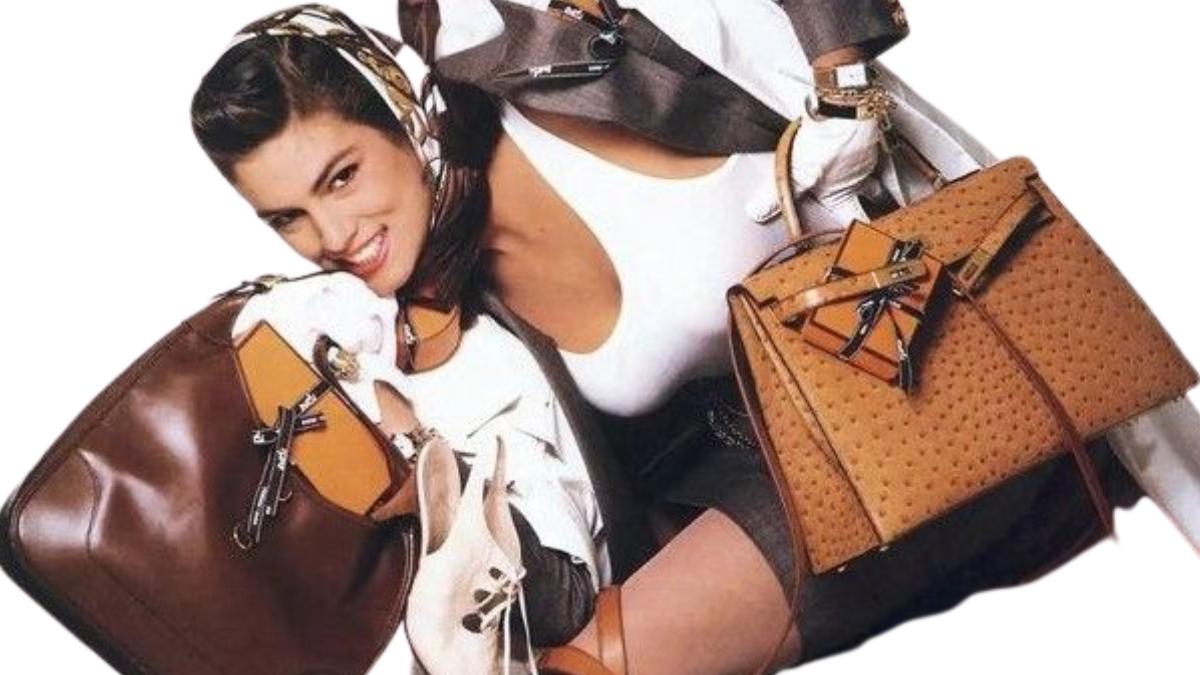
There was a time when a fake designer bag lived at the back of the wardrobe and came out only for the right crowd. Nobody confessed to it, and everyone prayed no one would look at the stitching.
Now it swings from a keychain stack on Instagram, tagged and celebrated. The word for this change is 'dupe,' and it has rewritten the rules of luxury.
The shame is gone
Dupes aren't new. Beauty YouTubers were recommending cheaper lookalikes as far back as 2010. What has changed is the intent. Earlier generations bought imitations to pass them off as the real thing. Gen Z buys them to Show them offand says so.
The numbers are hard to ignore. Nearly one-third of US adults say they have deliberately bought a dupe of a premium or luxury product. In the UK, at least 11% of consumers pick one up every few months.
On TikTok, videos tagged #dupe have collected close to 6 billion views, with playful spin-offs like #doop adding hundreds of millions more.
As Jennifer Baker of the creator platform Grin puts it, this reflects a “generational shift in consumption of goods and media.” Previous generations shopped for knockoffs on the sly. Gen Z turned the search for them into one of social media's most popular habits.
Also Read: Why your K-Drama boyfriend is ruining your real one?
It's not just about being broke
The easy explanation is money, and it's partly true. Half of dupe buyers say they do it for the savings, and a generation squeezed by rising costs is understandably hunting for luxury at a lower price.
But here is the twist, 17% say they'd choose a dupe even if they could afford the real thing.
That points to something bigger than budgets. The prestige of a designer label simply does not impress this generation the way it impressed their parents.
A dupe often does the same job, and costs far less. For Gen Z, the flex has moved from owning the authentic object to being clever enough to find the equivalent.
In the words of one expert, dupe discourse is less about curating authentic designer goods and more about consuming authentic content to get the same look for less.
In other words, our culture is caring less about an item's status and more about whether it works for us.
The creators hold all the power
Because many dupes come from unknown brands or anonymous marketplace sellers, trust has moved to the creator. A good “I found the perfect dupe” video separates a smart substitute from a cheap gimmick. As one TikTok executive noted, a creator who finds a cheaper product everyone wants can turn 'stratospheric' overnight.
That creates a push-pull dynamic. Sharing dupes is a near-certain win for a creator's following and income. But it risks irritating the very brands they hope to partner with one day.
Also Read: The weirdest life advice from the most interesting people we know (and why it works)
The plot twist, being copied is a compliment
Here is the part that should make luxury houses sit up. Research from Morning Consult found that roughly two-thirds of US adults link words like fashionable, trendy and elite with brands that are often duped. A wide majority see duping as a minor problem, if one at all.
Read that again- a dupe isn't a threat to the brand, it's a consumer stamp of approval. If everyone is copying you, you've made it.
Some brands have already worked this out.
- Lululemon invited fans in Los Angeles to swap their dupes of the $98 Align leggings for the real pair. Half of the 1,000-plus people who showed up were new customers, and half were under 30. The company is now considering taking the idea to other markets.
- Olaplex went cheekier. It paid TikTok creators to hail an 'Oladupé,' then redirected anyone who clicked to its official page, with a message that nothing can match the real thing. Millions of views followed within weeks.
The advice from industry insiders is consistent: don't fight it, play along.
As Sophie Hardie of the Goat Agency says, brands should engage authentically and with a sense of humor, because confidence is the best advertising.
The fine print
None of this makes every dupe harmless. Experts flag a real problem when big brands start copying smaller, independent ones, and the line between an inspired alternative and a straight counterfeit stays blurry. Legal limits still apply.
Still, the larger change is plain. The dupe has moved from the shadows to the spotlight, and in doing so it has handed the power to the shopper. Luxury now has to earn desire instead of simply demanding it.
Also Read: The day love left without saying goodbye: Why blindside divorce is a modern fear?
So the question isn't whether you own a dupe. It's whether you're proud of it.
Published: 11 Oct 2026, 06:20 pm IST
Disclaimer: Kindly avoid objectionable, derogatory, unlawful and lewd comments, while responding to reports. Such comments are punishable under cyber laws. Please keep away from personal attacks. The opinions expressed here are the personal opinions of readers and not that of Mathrubhumi.