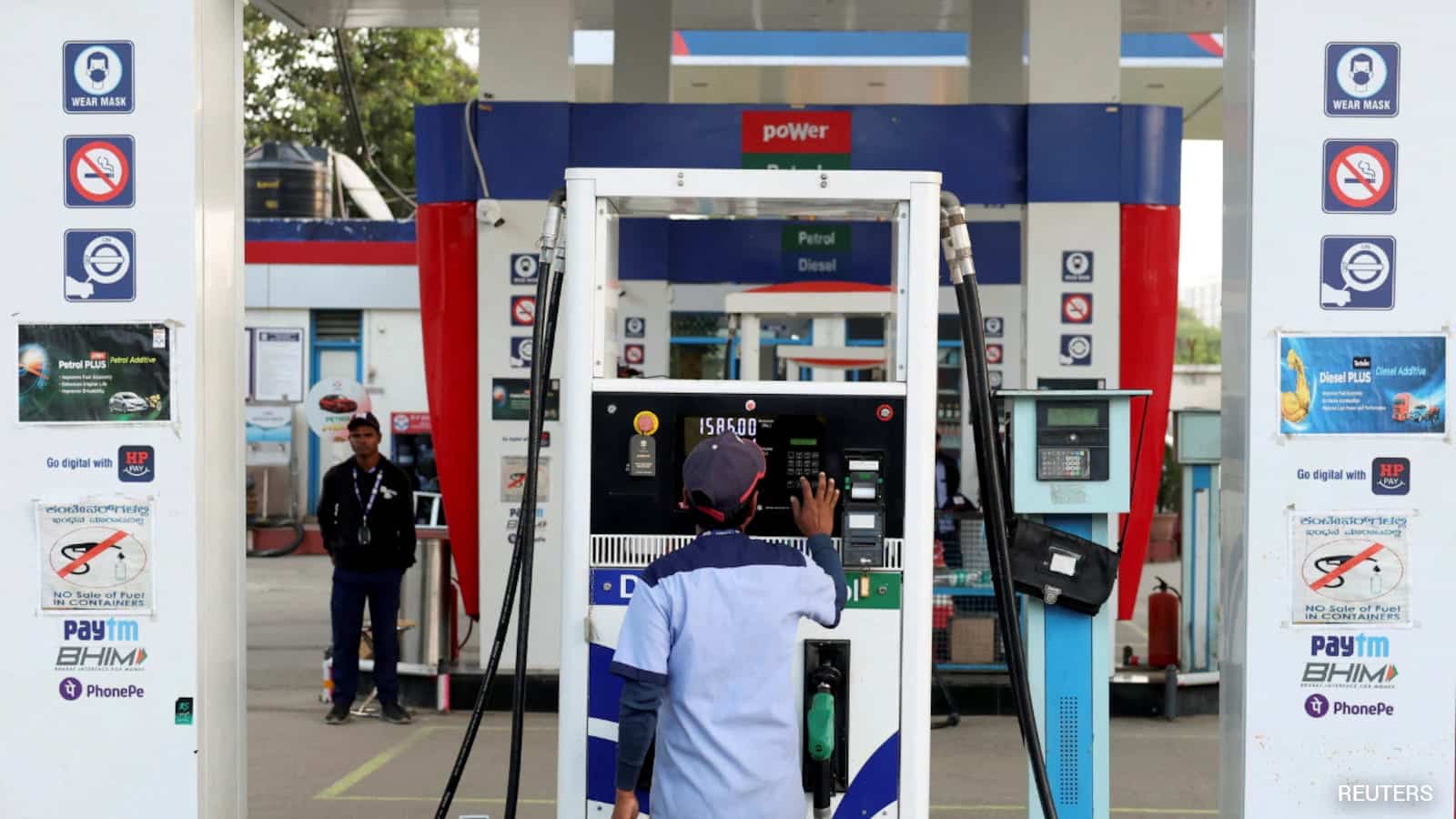
A major national controversy has erupted over E20 petrol in India following claims by the Karnataka government that several fuel pumps in the state are dispensing petrol with ethanol content as high as 31.2%, far exceeding the legally mandated 20% limit.
The state government initiated random sample testing across multiple districts—including Bengaluru, Kolar, Chikkaballapur, Bengaluru Rural, Ramanagara, Mangaluru, and Tumakuru—to audit the composition of commercially sold E20 fuel.
Test Results and Vehicle Performance Concerns
According to the Karnataka government’s report, laboratory tests conducted on samples collected from major oil marketing companies revealed significant over-blending:
- Company Wise Findings: Indian Oil samples registered up to 31.2% ethanol, HPCL premium petrol reached 30.5%, BPCL recorded 26.5%, Nayara registered 26.1%, and Shell recorded 25.5%.
- Impact on Older Vehicles: State officials warned that ethanol blends exceeding 20% can cause severe damage to fuel pumps, injectors, hoses, rubber seals, and fuel filters—particularly in older vehicles not calibrated for high-ethanol blends.
- Mileage Drop: Motoring groups and consumer associations have expressed growing concern that excessively high ethanol ratios lead to noticeable drops in vehicle mileage and fuel efficiency.
Oil Marketing Companies and Union Ministry Rebuttal
State-owned oil marketing companies—Indian Oil, BPCL, and HPCL—alongside the Union Ministry of Petroleum and Natural Gas have flatly rejected the Karnataka government’s findings:
- Flawed Testing Methodology: Oil companies asserted that the test procedures utilized by the Karnataka government did not follow standard Bureau of Indian Standards (BIS) testing protocols under IS 17021.
- Pan-India Audit Data: The Ministry of Petroleum stated that 893 E20 petrol samples tested across 27 states and Union Territories consistently showed ethanol levels strictly within the permissible 19% to 21% range.
- Karnataka Audit Verification: Central authorities noted that 56 samples independently tested in Karnataka showed ethanol levels ranging between 19% and 20%.
- Joint Independent Inspection: Oil companies have proposed joint re-sampling alongside state officials using certified, accredited laboratories to resolve the methodological dispute.