
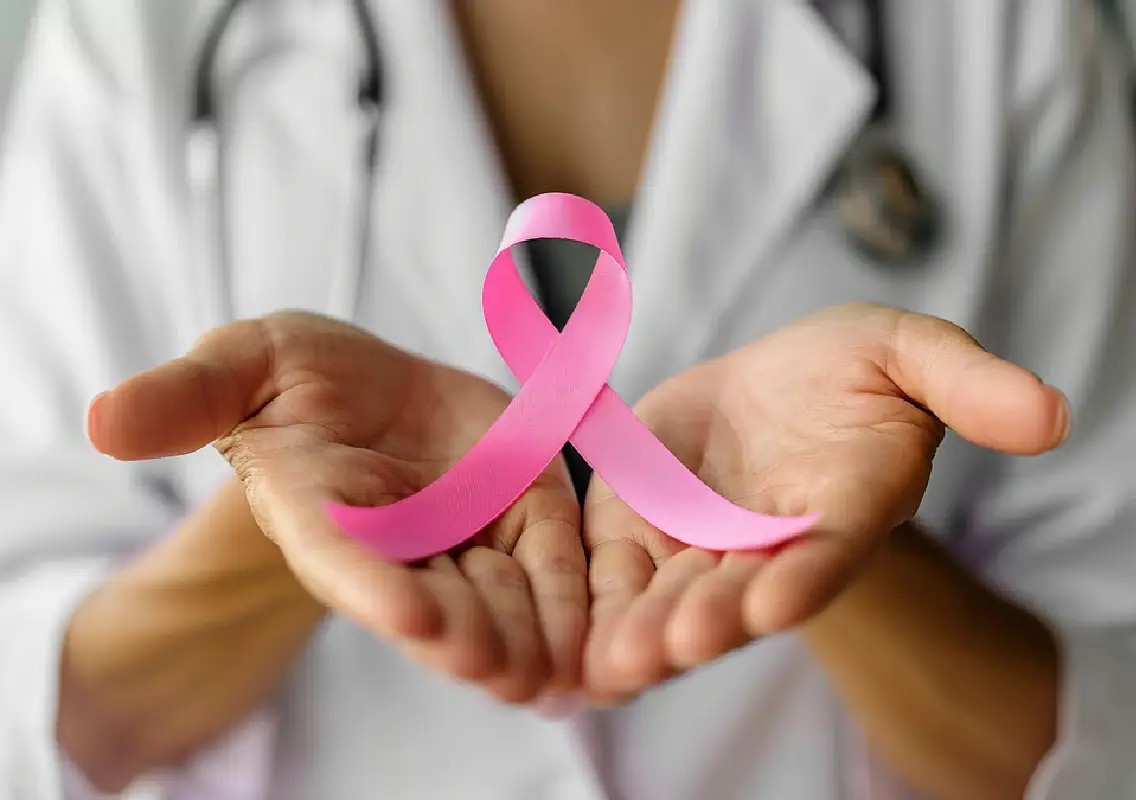

An early breast cancer diagnosis often brings hope, but it can also leave women with many questions about treatment, recurrence and life after cancer. Medical experts say that while early detection improves outcomes significantly, long-term care remains an essential part of recovery.
According to oncologists, treatment is not only about removing or controlling cancer but also about reducing the chances of it returning and helping patients maintain a good quality of life.
Early detection does not eliminate recurrence risk
Dr Niti Krishna Raizada, Principal Director of Medical Oncology and Hemato Oncology at Fortis Hospitals, Bengaluru, said that early-stage breast cancer can still carry a significant risk of recurrence depending on the tumour’s biological characteristics.
She noted that some patients may require additional therapies even after successful treatment to minimise the possibility of cancer returning in the future.
Modern therapies improve long-term outcomes
Experts highlight that advances in hormone therapies and targeted treatments have transformed breast cancer care. These therapies not only reduce recurrence risks but also support long-term health and quality of life.
Doctors encourage patients to discuss available treatment options openly and understand which therapies may be most suitable for their condition.
Follow-up care is crucial
Medical professionals stress that recovery does not end once intensive treatment is completed. Regular follow-up appointments and adherence to prescribed therapies help doctors monitor progress, manage side effects and detect any concerns at an early stage.
Life beyond cancer matters
Experts emphasise that emotional well-being, family relationships, work and future aspirations are all important aspects of recovery. Addressing anxiety, lifestyle adjustments and mental health concerns can help patients regain confidence and return to fulfilling lives.
Doctors say that a holistic approach to care ensures patients are supported not only in surviving cancer but also in living well after treatment.

Comments are closed.