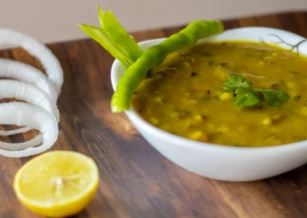
Dal is a staple in Indian households and is widely valued for its protein, fibre and essential nutrients. From moong and masoor toor and chana dal, different varieties of pulses offer a range of nutritional benefits. Including dal in your daily diet can support digestion, muscle maintenance and overall health when consumed as part of a balanced diet.
In this edition of Indian Food Decoded, fitness dietician and nutritionist Ashlesha Joshi of Tone 30 Pilates explains how eating dal regularly can benefit the body and what to keep in mind when adding it to your meals.
What Happens When You Eat Dal Every Day?
Eating dal every day can be a healthy habit for most people. Pulses provide plant-based protein, dietary fibre, complex carbohydrates, vitamins and minerals, including folate, iron, potassium and magnesium.
Dal is particularly useful in Indian meals because it complements cereals such as rice and wheat, helping improve the overall protein quality of the meal. Its protein supports muscle maintenance, while fibre helps promote digestive health and can contribute to better blood sugar management.
The nutritional benefits also depend on how dal is prepared. Cooking it with moderate amounts of oil and combining it with vegetables and whole grains can help make a meal more balanced.
5 Benefits of Eating Dal Regularly
1. Supports Gut Health
One of the major benefits of dal is its dietary fibre content. Both soluble and insoluble fibre help support bowel regularity, while certain fibres act as food for beneficial gut bacteria.
However, some people may experience gas, bloating or abdominal discomfort after eating pulses. Soaking and rinsing dal before cooking it, ensuring it is thoroughly cooked and increasing intake gradually may help improve tolerance.
2. Helps Maintain Muscle Strength
Dal provides plant-based protein, which the body needs to maintain and repair muscles. Regularly including pulses in meals can help contribute to daily protein requirements.
However, the amount of protein obtained depends on the type of dal and portion size. People with higher protein requirements may need to combine dal with other protein-rich foods to meet their individual needs.
3. May Help Manage Blood Sugar Levels
Dal contains protein, fibre and complex carbohydrates. These nutrients slow digestion and may help moderate the rise in blood glucose after meals compared with meals dominated by refined carbohydrates.
For people managing diabetes, portion sizes and the overall composition of the meal remain important. Pairing dal with vegetables and appropriate portions of rice or roti can help create a balanced meal.
4. Keeps You Fuller for Longer
The combination of protein and fibre in dal can increase satiety, helping you feel full for longer. This may support appetite management and weight-management goals when dal is included in a balanced diet.
However, eating dal alone does not guarantee weight loss. Overall calorie intake, physical activity and other dietary habits also matter.
5. Provides Essential Vitamins and Minerals
Different pulses supply nutrients such as folate, iron, potassium and magnesium. These nutrients contribute to several important functions, including red blood cell production, normal muscle function and energy metabolism.
Plant-based iron is less readily absorbed than iron from animal sources. Pairing dal with vitamin C-rich foods such as lemon, tomatoes or amla can improve iron absorption.
Which Dal Should You Eat?
Different varieties of dal offer slightly different nutritional profiles. Rotating between moong, masoor, toor, urad and chana dal can add variety to your diet and help you benefit from a wider range of nutrients.
You can also combine dal with rice or roti, vegetables and a source of healthy fat to create a more nutritionally balanced meal.
Can Eating Dal Every Day Cause Problems?
Although dal is nutritious, increasing your intake suddenly may cause gas, bloating or abdominal discomfort. Certain carbohydrates in pulses are fermented by gut bacteria, which can lead to these symptoms.
To improve tolerance, soak and rinse pulses where appropriate, cook them thoroughly and increase your fibre intake gradually. If digestive symptoms persist or become severe, consult a healthcare professional.
People with specific medical conditions or dietary restrictions may also need individualised advice about their pulse intake.
Is Eating Dal Every Day Enough to Meet Your Protein Needs?
Dal is an excellent source of plant-based protein, but it should not be considered a complete nutritional solution on its own. Your protein requirements depend on factors such as age, body weight, activity level and overall health.
Eating a variety of protein sources, including pulses, dairy products, soy foods, nuts and seeds, can help support a balanced diet. Combining dal with cereals such as rice or wheat also improves the overall amino acid profile of the meal.
The bottom line: Eating dal every day can support gut health, muscle maintenance, satiety and overall nutrition. The key is to vary the types of pulses you eat, prepare them properly and include them as part of a diverse, balanced diet.
Note to readers: This article is for informational purposes only and is not a substitute for professional medical advice. Consult a qualified healthcare professional or registered dietitian for personalised dietary guidance.