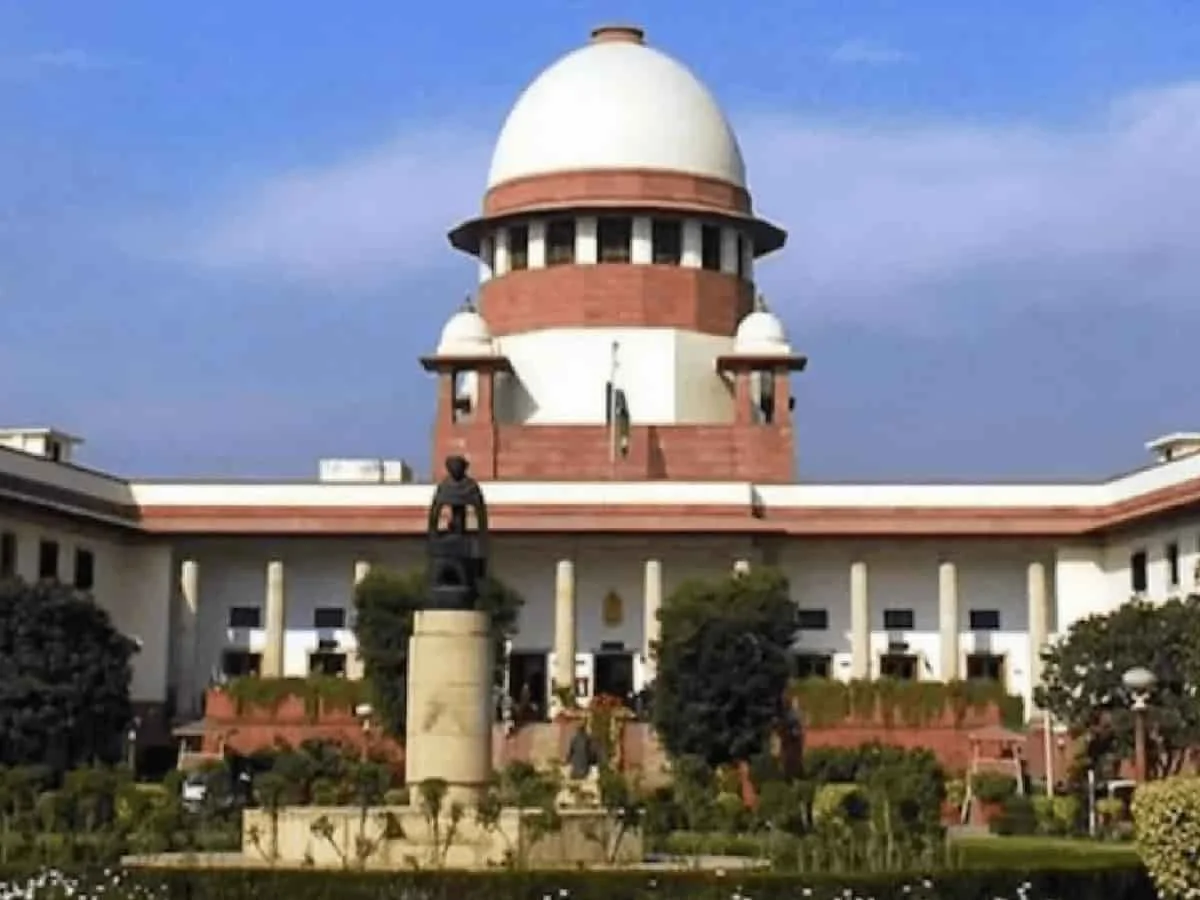
In a major relief for thousands of citizens whose names have gone missing from electoral rolls, the Election Commission of India (EC) has formally assured the Supreme Court that voters reapplying through Form 6 following Special Intensive Revision (SIR) deletions will not face any risk of criminal prosecution. The poll panel submitted an affidavit addressing widespread anxieties among the electorate, clarifying a critical legal grey area that had left numerous citizens hesitant to re-register themselves. By removing the fear of legal penalization under Section 31 of the Representation of the People Act, 1950, the Commission has paved the way for a smoother, fear-free re-enrolment process across states where the intense revision exercises are currently underway.
The controversy and subsequent clarification emerged after several public representations and legal petitions highlighted a prevailing fear among ordinary citizens. Many individuals whose names were unceremoniously dropped from draft electoral rolls during the rigorous SIR process feared that submitting a fresh Form 6 application—despite having valid voter history in past rolls—could be misconstrued as an illegal attempt at dual registration or false declaration, thereby triggering prosecution. Recognizing the genuine nature of these apprehensions, the Supreme Court nudged the poll panel to address the administrative bottleneck proactively, prompting the EC to issue explicit, nationwide instructions to all Chief Electoral Officers (CEOs) to clear the air.
Absolute Immunity From Section 31 Prosecution for Valid Form 6 Submissions Under Strict Conditions
Elaborating on its legal stance before the apex court, the Election Commission explicitly stated that no prosecution will be launched against any individual filing a fresh Form 6 application merely because they were listed on prior electoral rolls before the SIR exercise and their names failed to appear in the newly drafted lists. The poll panel’s affidavit draws a sharp legal distinction between fraudulent duplicate registrations and genuine voters whose entries were pruned or missed during massive verification drives. However, this immunity comes with necessary statutory safeguards to preserve the absolute integrity of India’s democratic framework.
According to the EC’s official directive, the protection against prosecution under Section 31 of the Representation of the People Act, 1950, remains strictly contingent upon two vital conditions. First, the applicant or elector must not be concurrently registered or actively enrolled in any other Parliamentary or Assembly Constituency across the country. Second, the statutory declarations furnished within the Form 6 document must strictly comply with existing laws and be verified accurately. This calibrated approach ensures that while genuine, disenfranchised citizens can reclaim their franchise without legal terror, systemic loopholes that allow duplicate voting are thoroughly plugged.
Proactive Measures by Chief Electoral Officers and Flexible Submission Channels for Electorate
To ensure that this crucial clarification translates effectively from courtroom affidavits to ground-level implementation, the Election Commission has directed all Chief Electoral Officers across states and Union Territories to give the policy wide publicity. Crucially, the Commission mandated that these informational campaigns must be executed extensively in local and regional languages, ensuring that language barriers do not prevent vulnerable or rural demographics from understanding their rights. The poll panel also reviewed suggestions put forth by the Supreme Court regarding citizens categorized under the ASDD (Absent, Shifted, Dead or Duplicate) classification, issuing specialized instructions to streamline their re-inclusion.
In line with communications dispatched on November 6, 2026, the EC has widened the administrative windows for submission. Voters who have not physically shifted their residences but were erroneously omitted can now submit their duly filled Enumeration Form (Annexure A) alongside an Annexure-B statement outlining the reasons for previous non-submission. These documents can be submitted physically to the Electoral Registration Officer (ERO), Assistant Electoral Registration Officer (AERO), or Booth Level Officer (BLO), either directly by the voter or through trusted family members. Furthermore, recognizing the technological shift in electoral management, a digital submission option complete with e-signature authentication has been made accessible via the official ECINET platform.
Balancing Electorate Purity With Inclusivity: The Commission’s Ongoing Commitment to Fair Elections
The high-profile affidavit comes on the heels of the Election Commission’s robust defense of the Special Intensive Revision (SIR) exercise before the Supreme Court, where the panel maintained that all operational measures were legally authorized and unanimously endorsed by its members. Addressing criticisms regarding procedural alterations, the poll panel firmly reiterated that the core statutory framework of Form 6 remains unchanged, dismissing allegations of arbitrary administrative modifications. The Commission acknowledged the immense logistical hurdles involved in digitizing vast volumes of data and managing a billion-plus electorate, noting that administrative friction is bound to surface during massive database cleanups.
Concluding its submissions, the Election Commission reaffirmed its unwavering constitutional mandate: to safeguard the absolute purity of the democratic electoral process while ensuring that not a single eligible, bonafide citizen is unconstitutionally deprived of their right to vote. By aggressively addressing inconsistencies, rectifying digital anomalies, and providing safe administrative pathways for left-out voters to reclaim their democratic voice, the poll panel aims to restore absolute public trust in India’s election machinery as preparations for upcoming electoral cycles gather pace nationwide.