
Honda Motorcycle & Scooter India (HMSI) has reportedly abandoned its plan for a dedicated electric two-wheeler manufacturing facility at Narsapura in Karnataka. The proposed investment was around Rs 600 crore. Honda had previously planned to start production at the facility in 2028 and build towards an annual capacity of 10 lakh electric two-wheelers by 2030. That expansion now appears to be on hold as its electric scooter sales remain far behind those of established rivals.
According to a Financial Express report citing people familiar with the matter, Honda will instead use its existing factories to produce electric two-wheelers, at least for the foreseeable future. HMSI had not responded to the publication’s questions when the report was published. This is therefore a reported change in plans, rather than a factory cancellation publicly confirmed by the company.
Honda announced its electric two-wheeler roadmap in 2023. At the centre was Factory E, a dedicated EV manufacturing operation at its Narsapura plant. It was intended to support electric scooters and motorcycles based on a common platform, including models with fixed batteries and others using swappable batteries.
The latest reported factory proposal involved an initial annual capacity of 6 lakh vehicles from 2028, rising to 10 lakh (1 million) by 2030. These were future production targets, not the number of EVs Honda was already making. Putting a dedicated operation in place would have required Honda to commit money well before it had a large, established customer base for its electric scooters.
The shift matters because a factory designed exclusively for EVs can be more efficient when production volumes are high. It also carries greater risk if demand falls short. Using existing facilities gives Honda the flexibility to increase output in smaller steps and avoid leaving a large new plant underused. The obvious limitation is that it could become harder to scale quickly if its future electric models suddenly start selling in big numbers.
The sales numbers explain why Honda might be rethinking the timing of this investment. The publication reports that HMSI sold 4,312 electric two-wheelers in FY26. TVS Motor, in comparison, sold 3,58,211 units, Bajaj Auto 2,99,403, Ather Energy 2,54,502 and Hero MotoCorp 1,49,343 during the same financial year.
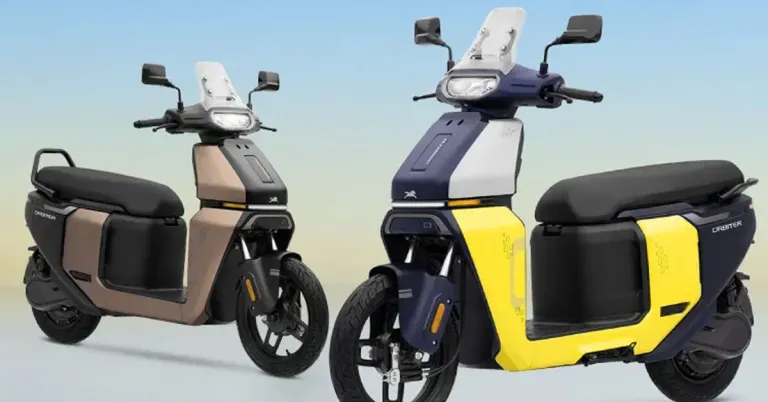
Put another way, TVS sold more than 80 electric two-wheelers for every one sold by Honda. These are not small differences that can be closed simply by increasing factory output. Honda first needs to get considerably more customers interested in its electric products.
Honda introduced the Activa e: and QC1 in February 2025. The two scooters take different approaches: the Activa e: relies on battery-swapping, while the QC1 uses a fixed battery that the owner charges. That gives Honda products for two types of user, but it also requires customers to understand the charging or swapping arrangements, running costs and long-term ownership experience.
For a buyer, the Honda badge may offer familiarity, but the decision to move to an electric scooter depends on more than brand trust. Charging convenience, usable range, upfront cost, service support and battery replacement expenses can decide the purchase. Honda’s existing strength in petrol scooters has not yet translated into comparable EV volumes.
Honda is not pulling back from a market that has stopped growing. Electric two-wheeler sales crossed 14 lakh units in FY26, according to the report, and EVs accounted for around 6.5% of two-wheeler sales. Buyers are increasingly considering electric options, but TVS, Bajaj, Ather and other players already have substantial sales and production plans.
Those competitors have the advantage of larger volumes over which to spread development and manufacturing costs. They also have more electric vehicles already on the road, giving future buyers a greater pool of owner experiences to examine. Honda can still compete, but it will have to do so through product appeal, cost and ownership support rather than by announcing a large factory.
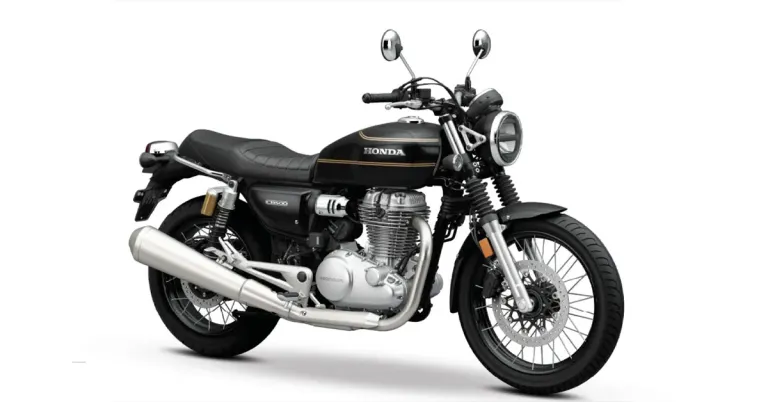
The reported change does not mean Honda is cutting its overall manufacturing ambitions. In March 2026, it outlined plans to expand the combined annual two-wheeler production capacity from 62.5 lakh to roughly 80 lakh units by 2028. A new line at its Tapukara plant in Rajasthan is part of that expansion, with planned capacity for 6.7 lakh additional motorcycles and scooters each year.
Honda’s May 2026 business briefing also stated that it would monitor demand and regulations before deciding how rapidly to expand electric motorcycle production. That is consistent with a more cautious approach to dedicated EV investments, even as its conventional two-wheeler business continues to grow.
For existing Activa e: and QC1 owners, a reported decision not to build Factory E does not, by itself, mean the scooters are being discontinued or that parts and service will disappear. Honda has made no such announcement.