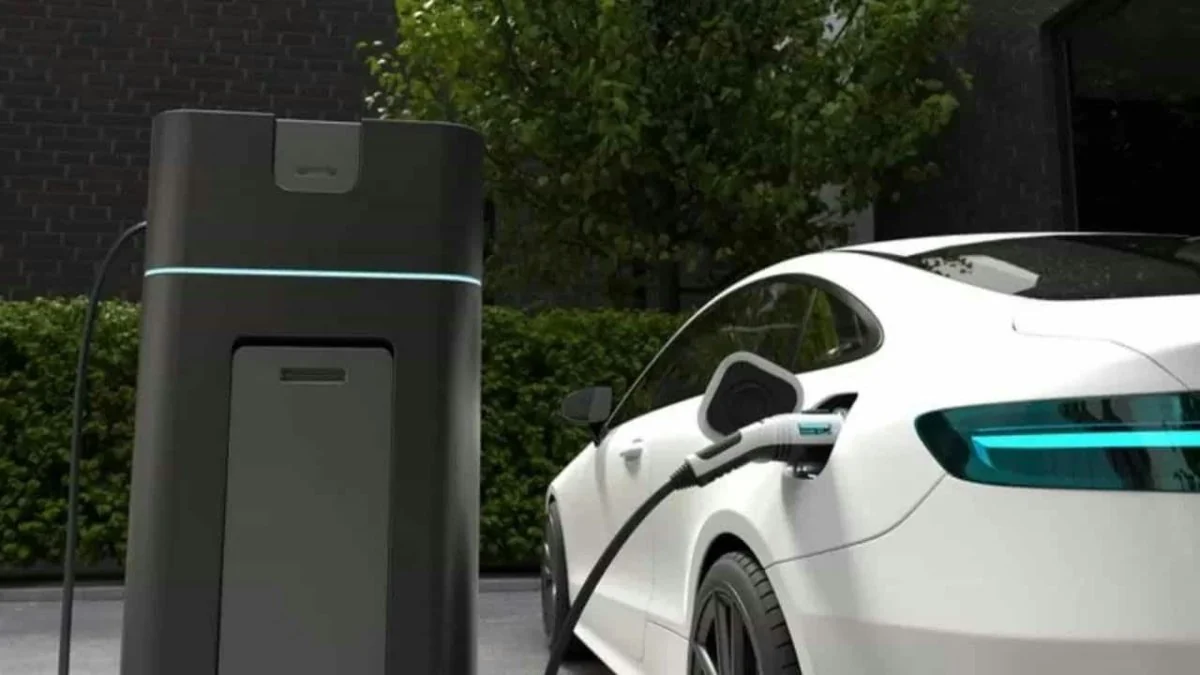
Automobile Desk: Electric vehicles running silently on the roads of the country may be giving the message of greenery and modernity, but that happiness is not visible on the faces of the showroom owners i.e. dealers who deliver them to the customers. There is currently an unexpected surge in the demand for Electric Vehicles (EV) in the Indian automobile market. Despite this, the ground reality is that the auto dealers selling these vehicles are still empty handed and struggling to earn expected profits.
If we look at the recently released figures of Federation of Automobile Dealers Association (FADA), the last month proved to be excellent for the EV sector. In October alone, sales of about 3.55 lakh electric vehicles were recorded within the country, which is about 11.5 percent of the total automobile market share. Constantly increasing fuel prices, better battery range than before and decreasing price difference with traditional petrol-diesel vehicles are the main factors due to which people are now turning to EVs. For many popular models, long waiting lists are being seen at showrooms.
But the question arises that when vehicles are being sold in abundance, where is the profit disappearing? According to Sai Giridhar, President of FADA, India is one of the few global markets where auto dealers are given very nominal margins on selling EVs. While on one hand dealerships used to earn good income from spare parts and routine maintenance of petrol and diesel vehicles, the income from service of electric vehicles is quite limited.
On the other hand, dealers are having to shell out heavily to keep pace with this new era of EV mobility. Setup expenses for dealerships are increasing rapidly with every new model. Huge capital investments are required to modernize workshops, create high-voltage charging infrastructure, purchase special tools and train employees on the ins and outs of EVs. Apart from this, car companies are now not limited to big cities only but are expanding their network in small towns i.e. Tier-3 and Tier-4 cities as well, due to which the initial operating cost of dealers has increased manifold.
There is an atmosphere of concern among dealers regarding this decline in profits. FADA believes that if this situation continues for a long time and the financial health of dealers does not improve, it could have a direct negative impact on the after-sales service and showroom experience provided to the customers. Rising employee salaries, the challenge of retaining trained staff and rising workshop expenses have now become a headache for dealers.
To deal with this problem, FADA has suggested that dealerships have to rapidly adopt digital technologies in their daily operations. With proper use of digital tools, more customers can be handled better even with less workforce, which will increase the productivity of the workshop and curb unnecessary expenses.
Along with this, the association has called for open talks with the vehicle manufacturing companies. FADA demands that the profit margins of Indian auto dealers be brought at par with international standards, so that dealers can continue to invest in infrastructure seamlessly and India's electric mobility dream can become truly sustainable.