The era of Chinese real estate company Evergrande is now over. The company, which is heavily in debt, has been declared bankrupt by the court. Along with this, the process of closing the company has also started. Evergrande had a debt of more than $300 billion, which is approximately Rs 28 lakh crore in Indian currency.
Read :- Gas explosion in China's coal mine: 82 people died, 9 still trapped in the mine
This story is not just about the sinking of a company but also shows the crisis of China's real estate model in which developers used to buy land by taking loans and sell them even before the houses were ready and start the next project.
Was once named among the richest businessmen
Hui Ka Yan, the founder of Evergrande, started from an ordinary rural family. As the business grew, he expanded into many other areas along with real estate. The company built big housing projects and even owned a football club. In 2017-18, the market value of Evergrande reached about $ 400 billion. At that time the company was counted among the most valuable real estate companies in the world. But as fast as it expanded, the debt also increased at the same speed.
The real shock came in 2020
Evergrande's troubles increased when the Chinese government implemented the Three Red Lines policy to reduce the debt burden on developers. It became difficult for the company to raise new loans. After this, the weakness in home sales deepened the crisis. The company did not have enough cash left to start new projects and complete old ones. Gradually the pressure of payment increased and Evergrande's business was derailed.
More than 1,300 projects incomplete
The biggest direct impact of Evergrande's crisis was on home buyers. More than 1,300 projects of the company in more than 280 cities were reported incomplete. People who invested money in these projects faced uncertainty about their homes.
Efforts to repay the loan by selling the company's assets continued but the recovery remained very low. Claims worth about $45 billion have come forward from creditors, while only about $255 million could be raised by selling assets.
Life imprisonment to the founder, heavy fine on the company
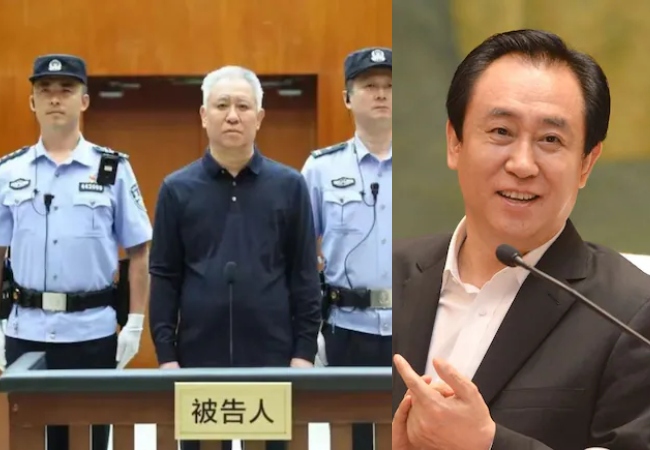
The troubles of Evergrande founder Hui Ka Yan also did not diminish. Hui, 66, was sentenced to life imprisonment in a financial fraud case. The court also ordered the confiscation of his personal property and termination of his political rights. The company and its related real estate unit have also been fined billions of yuan. Earlier, trading of Evergrande shares remained closed on the Hong Kong Stock Exchange for a long time and the company was delisted from there in August 2025.
China's economy was also affected
The impact of Evergrande's sinking was not limited only to its investors and home buyers. Due to the large role of real estate in China's economy, the weakness of the property market also affected other construction-related businesses. Demand for steel and cement weakened. The income of local governments from selling land was affected and people's confidence in the property market also decreased. Evergrande, which was once the hallmark of China's real estate boom, has today become the biggest example of huge debt, incomplete houses and a sinking property market.