
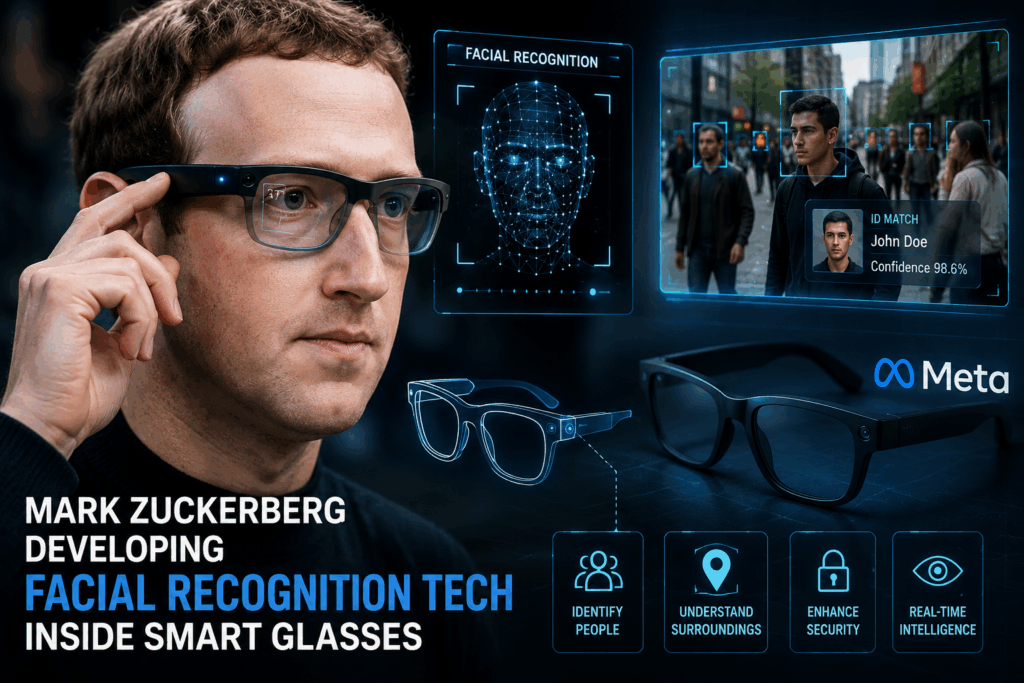

Meta, the parent company of Facebook, Instagram, and WhatsApp, is reportedly expanding its use of facial recognition technology as part of its broader artificial intelligence and digital identity initiatives. According to recent reports, the company is testing systems that can identify users through facial data, potentially making facial recognition a key component of future online interactions, security measures, and personalized experiences.
From Account Security to Personalized Experiences
Meta says facial recognition technology could help users recover compromised accountsverify identities, prevent impersonation scams, and improve platform security. The company is also exploring ways to use facial data to identify fraudulent advertisements featuring celebrities and public figures. These efforts are part of a larger push to create safer digital experiences while reducing online fraud.
Privacy Concerns Resurface
The renewed focus on facial recognition has sparked concerns among privacy advocates and digital rights groups. Critics argue that collecting and processing facial data creates significant privacy risks, especially if users are not fully aware of how their biometric information is being stored, shared, or used. Concerns regarding surveillance, data misuse, and unauthorized tracking have once again come to the forefront as Meta expands its AI capabilities.
Meta’s Complex History with Facial Recognition
This is not Meta’s first encounter with facial recognition technology. In 2021, the company shut down its facial recognition system on Facebook and deleted facial templates belonging to more than a billion users following growing regulatory scrutiny and privacy concerns. The latest initiatives indicate that Meta is revisiting facial recognition, but with a more focused approach centered on security, identity verification, and fraud prevention rather than social networking features.
AI Ambitions Driving New Investments
Meta has emerged as one of the biggest investors in artificial intelligence, competing directly with companies such as OpenAI, Google, Microsoft, and Anthropic. Facial recognition is increasingly being viewed as an important component of future AI-powered ecosystems, especially in areas such as digital identity, smart devices, augmented reality, and wearable technology. Reports suggest that Meta’s long-term vision includes creating more personalized and immersive user experiences across its platforms and hardware products.
Balancing Innovation and Trust
As AI technologies become more sophisticated, companies face growing pressure to balance innovation with user privacy. While Meta argues that facial recognition can improve security and combat online fraud, regulators and privacy experts are expected to closely examine how such systems are implemented. The success of these initiatives may ultimately depend on transparency, user consent, and strong data protection safeguards.
Summary: Meta is reportedly expanding its use of facial recognition technology to improve account security, identity verification, and fraud prevention. While the company views facial data as a key part of future AI-powered services, the move has reignited privacy concerns due to the potential risks associated with biometric tracking. The development highlights the ongoing tension between technological innovation and user privacy.
Comments are closed.