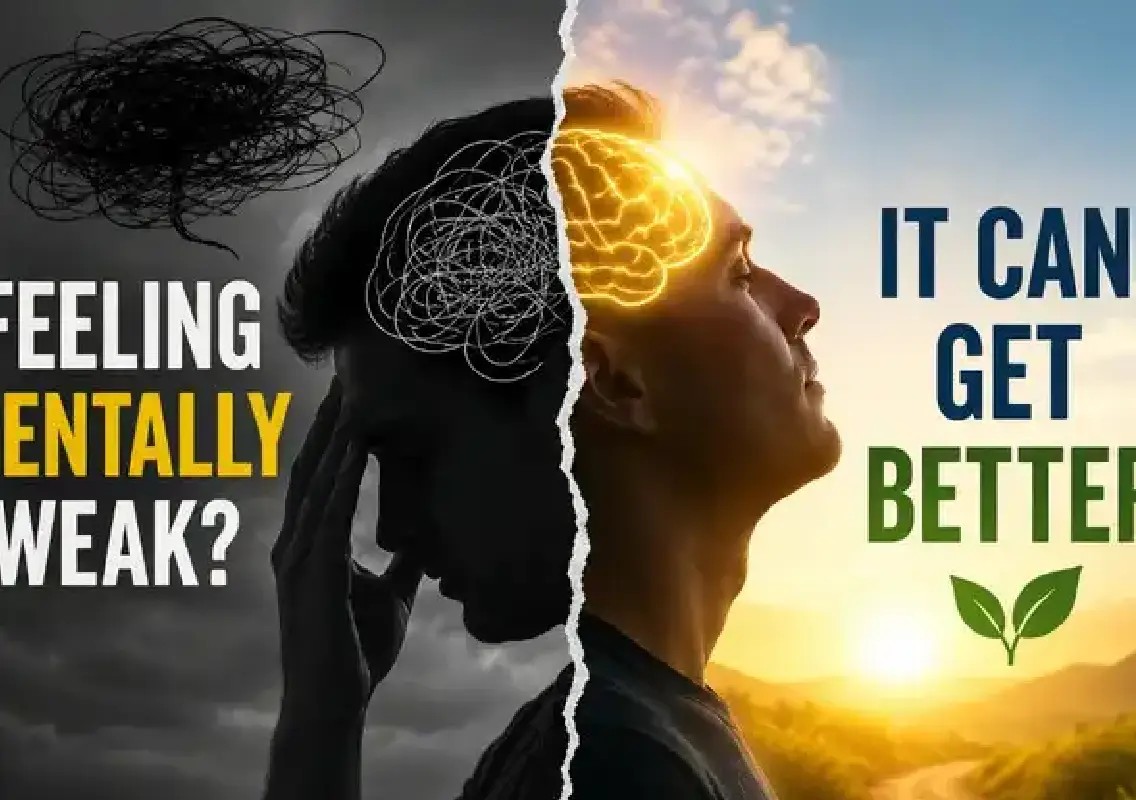
Emotional sensitivity is often viewed as something that needs to be controlled or overcome. However, psychiatrist Dr Sasha Hamdani argues that feeling emotions deeply may instead reflect the way some nervous systems process emotional and social information.
In her book Too Sensitive: Rejection, Resilience, and the Science of Feeling Deeply, Hamdani explores how understanding emotional sensitivity can help people replace shame with self-awareness and develop healthier ways of responding.
Sensitivity begins with understanding yourself
Highly sensitive people may notice changes in facial expressions, tone, relationships and social situations more quickly or intensely. Instead of asking what is wrong with them, Hamdani suggests considering what their nervous system needs.
Recognising these patterns can help people understand their reactions without immediately judging themselves.
ADHD can involve emotional struggles
Hamdani also highlights emotional dysregulation as an often-overlooked aspect of ADHD. Some people with ADHD may struggle intensely with criticism, conflict or perceived rejection, replaying difficult conversations long after they happen.
She argues that understanding ADHD only as an attention problem can leave these experiences unexplained. Viewing regulation as an important part of the condition may help people better understand their emotional responses.
Everyone experiences sensitivity differently
Emotional sensitivity does not look identical in everyone. Some people may become perfectionists or people pleasers, while others avoid conflict, quickly assume rejection or repeatedly analyse conversations.
Identifying these patterns can provide language for experiences that may otherwise feel confusing and overwhelming.
Emotional regulation can be learned
According to Hamdani, regulation is a skill that can improve with practice. Naming emotions, slowing the body’s response through breathing or grounding, and pausing before reacting can create space for a more considered response.
Even a few seconds between feeling and reacting can gradually strengthen a person’s ability to choose how they respond.
Sensitivity can become emotional intelligence
Hamdani believes the goal should not be to become less sensitive. Sensitivity can bring empathy, creativity, intuition and deeper connections.
When people learn to regulate rather than suppress their emotions, feeling deeply can become a source of clarity, compassion and emotional intelligence.