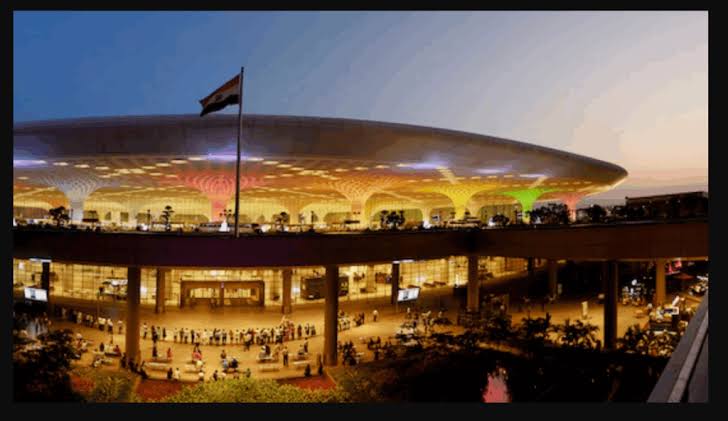
Mumbai’s aviation sector is preparing for major operational changes as the operator of Chhatrapati Shivaji Maharaj International Airport has asked airlines to decide how they will manage flights during the redevelopment of Terminal 1. From the summer schedule of 2027, airlines may have to shift some international operations to Navi Mumbai, suspend certain services from Mumbai, or explore alternative arrangements.
Why Is Mumbai Airport Reducing Capacity?
Mumbai International Airport Ltd (MIAL), operated by the Adani Group, plans to redevelop the northern section of Terminal 1B from January 2027. The ageing infrastructure has raised safety concerns, prompting a phased reconstruction programme expected to continue until around 2030.
The redevelopment will temporarily affect capacity equivalent to approximately five million passengers annually. To accommodate passengers displaced from Terminal 1, the airport operator says it needs to balance traffic and available capacity at Terminal 2.
Three Options for Airlines
In its communication to the Airline Operators Committee, MIAL said airlines would have the freedom to decide their operational plans from the summer 2027 schedule onwards.
Carriers can shift some or all of their international operations to the new Navi Mumbai International Airport, suspend selected services from Mumbai until Terminal 1 is reopened, or explore other alternatives. MIAL has also said historical slots at Mumbai airport will be restored after the redevelopment is completed.
However, airlines have raised concerns about transferring flights between the two airports, which are in different parts of the Mumbai metropolitan region. Splitting operations could complicate aircraft scheduling, crew deployment, ground handling and passenger connections.
Airlines Raise Objections
The proposed changes have triggered a disagreement between the airport operator and airlines. Carriers have questioned whether the planned capacity reduction is necessary and have sought supporting operational data, safety assessments and a clearer redevelopment plan.
Airlines have also argued that changes to allocated slots must follow established aviation guidelines and should not be imposed without adequate consultation.
The dispute has already led to discussions involving aviation authorities. The airport operator and airline representatives are scheduled to meet again on October 28 to discuss the next steps.
What Does This Mean for Passengers?
Passengers should not assume that all flights from Mumbai will be affected. The proposed reduction concerns capacity equivalent to around five million passengers annually, not the entire airport. Any impact will depend on the final arrangements agreed upon by airlines and the airport operator.
Travellers with bookings for 2027 should check their airline’s notifications before making changes to their plans. If services move to Navi Mumbai, passengers may need to account for different airport locations and additional ground-travel time.
The redevelopment is intended to address ageing infrastructure and increase Terminal 1’s capacity after reconstruction. The immediate challenge is to complete the work while minimising disruption to airlines and passengers.
Summary
Mumbai airport operator MIAL has asked airlines to plan for capacity restrictions from the summer 2027 schedule as Terminal 1 undergoes redevelopment. Airlines may shift selected international flights to Navi Mumbai, suspend services from Mumbai or consider alternatives. The plan has faced objections over capacity, slot allocation and operational logistics. Further discussions are expected on October 28, with changes potentially continuing until 2030.