
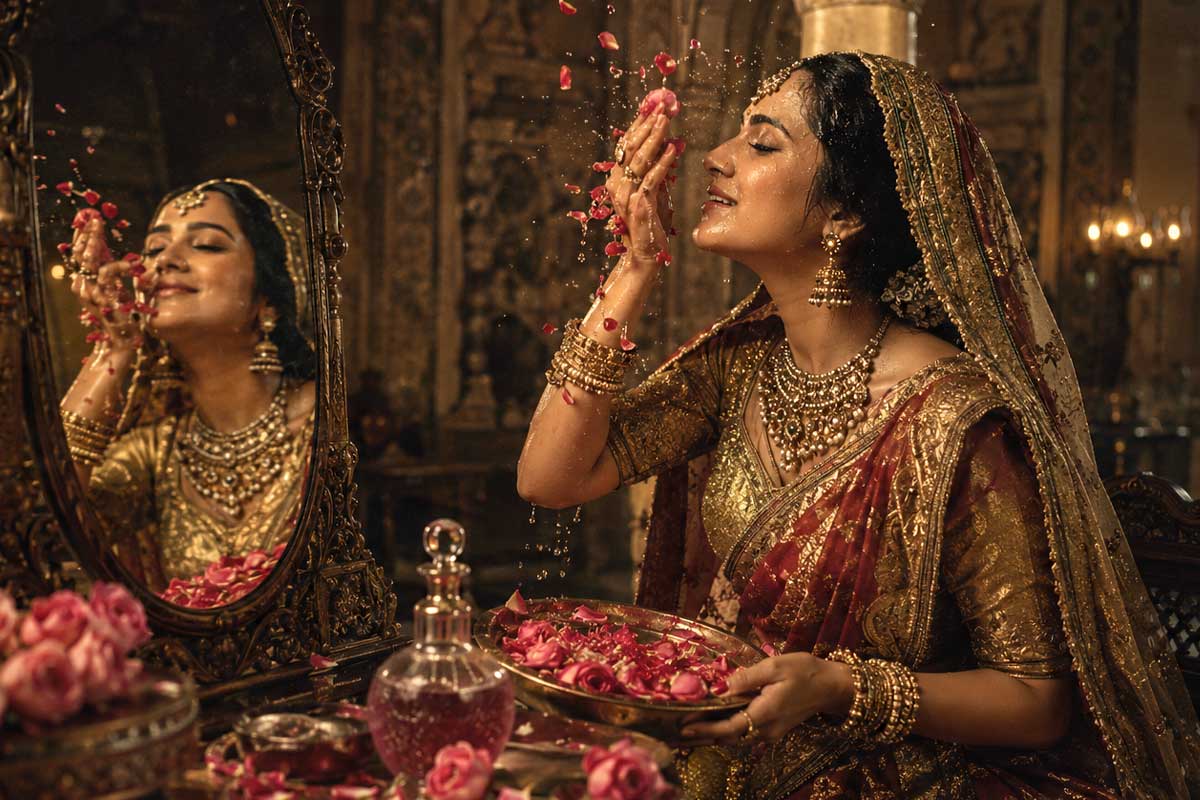
From Rani Padmavati to Noor Jahan, the history of the transformation of Indian empresses is astonishing

The domestic attraction of beauty therapy is very old. History mentions many beautiful and influential queens, whose beauty, grace and charm of personality captivated the rulers, heroes and common people of the time. From the court of Mebar to the reign of the Mughals, the form of queens still shines in the pages of history. But the question arises, what was the manner of the makeup of those days, which is equally relevant today? According to estheticians, the fairy tale was written in the magic of natural ingredients, Ayurveda and indigenous ways. The mystery of that traditional transformation of the East is still relevant today.
The use of perfumes and flowers had a separate place during the Mughal period. Behind the beauty of Nur Jahan, Emperor Jahangir’s buffalo, was the magical touch of natural roses. It is said that he discovered the expensive rose perfume while making rose water. Regular bathing in rose water and applying rose on the skin keeps the skin fresh and glowing. Apart from this, the use of jasmine or keora to retain the fragrance was also arbitrary. To keep the hair silky soft, they use special herbal oils and natural henna. Instead of toxic chemicals, special surma with healing properties adorned the eyes.
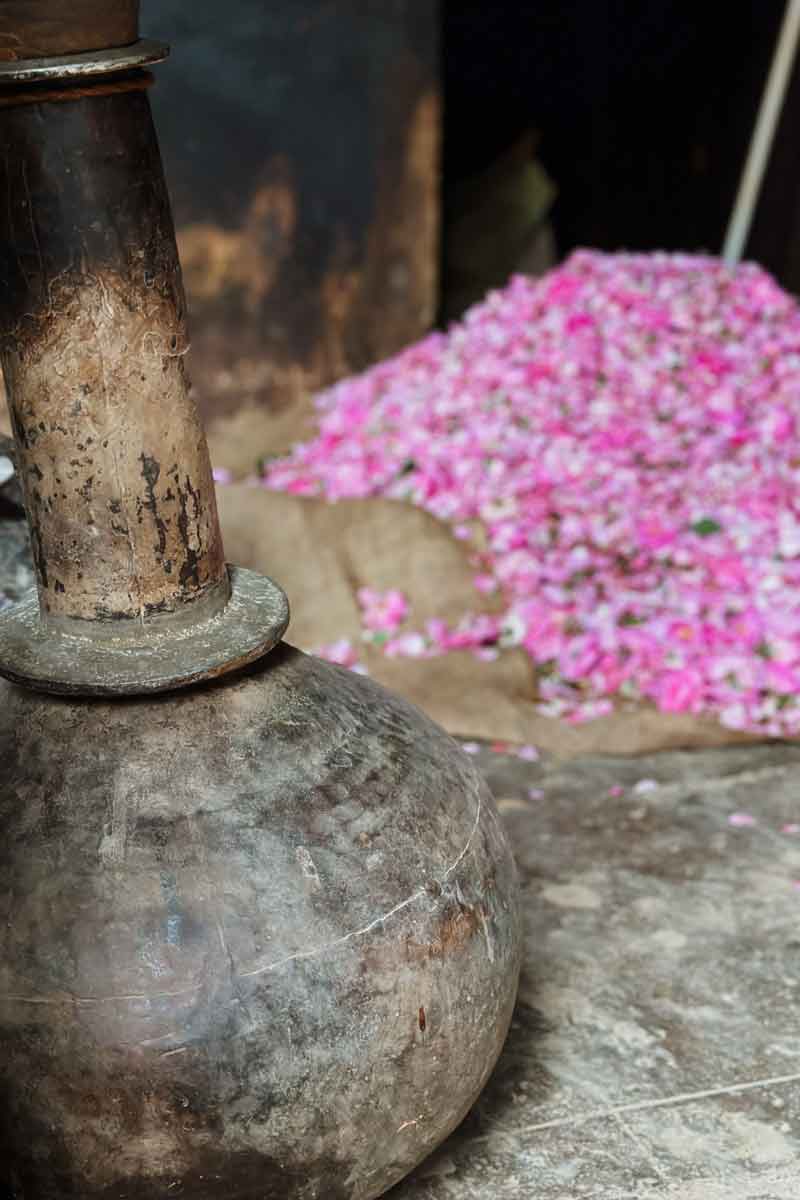
To protect the skin from the dry air of the desert, Rajput queens used to maintain body moisture. As an alternative to soap, they relied on special uptan made from pure gram flour, turmeric, sandalwood, curd and raw milk. Rani Padmavati regularly used saffron and sandal paste to prevent premature skin aging and pigmentation. A special extract of amlaki, bhringraj and fenugreek in sesame or mustard oil was used for hair. Ritha and Shikakai were their constant companions for hair pre-conditioning.
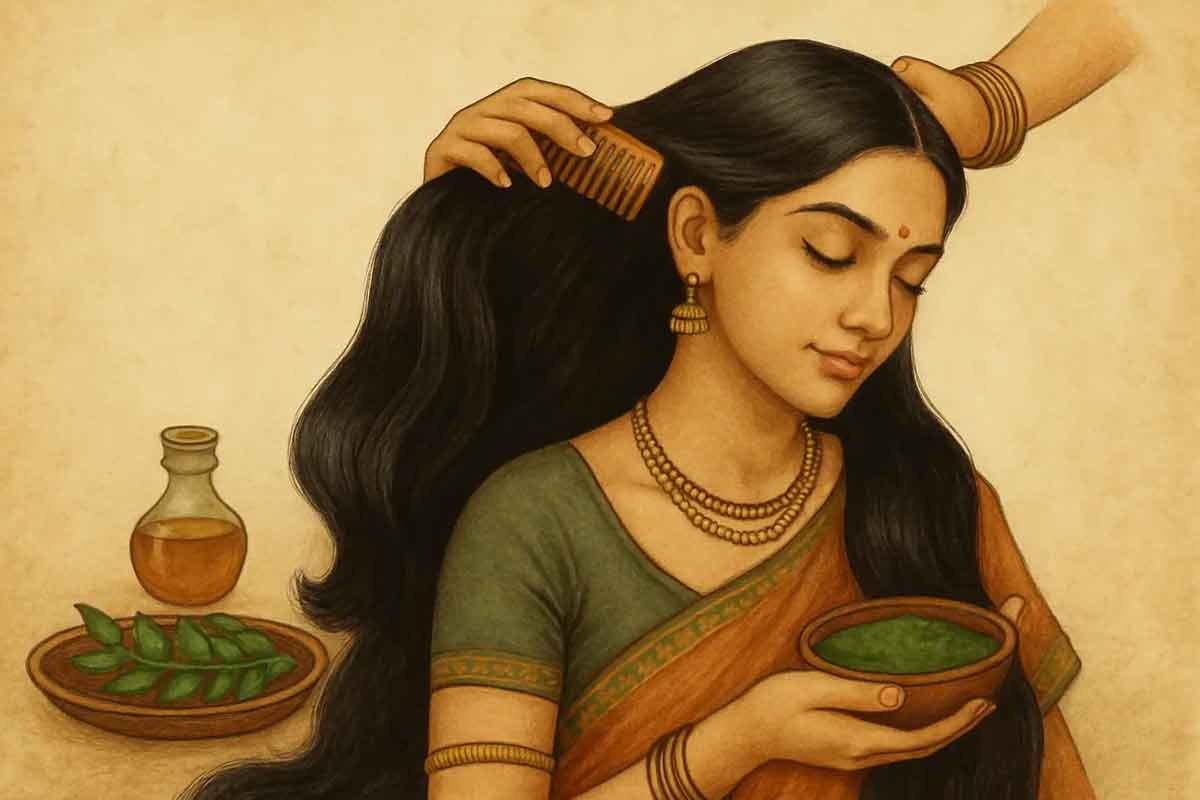
Hairdressing dominated the Travancore royal family of South India. A coating of curry leaves, jaba flowers and bhringraj with coconut oil makes the hair thick and thick. A face pack of musk turmeric, rice powder and green gram powder was used for facial beauty.
On the other hand, Maharani Gayatri Devi of Jaipur had a very different philosophy of makeup. Her mantra was to use less cosmetics and keep the skin clean. With a balanced diet, discipline and light eyeliner, she became a world-class beauty.
This regal natural look is still one of the best trends in modern makeup today.
Comments are closed.