

From Steel to Data: 10 South Asian Business Dynasties Redrawing the Global Economy in 2026 – Obnews

The global economy is changing, and some of its most influential power centres are no longer confined to New York, London, Paris or Silicon Valley. Across energy, infrastructure, finance, technology, manufacturing and consumer markets, South Asian business families have become increasingly important architects of global growth.
Their influence is visible in the ports moving international cargo, the steel used to build modern cities, the telecommunications networks connecting hundreds of millions of people and the consumer brands found inside homes across several continents. Some of these families built their fortunes through traditional industries. Others have expanded into digital services, artificial intelligence, renewable energy, electric mobility and financial technology.
This is not simply a list of the wealthiest families. Wealth can rise or fall rapidly with stock prices, debt levels and market cycles. The more important question is which dynasties have built institutions capable of shaping industries for decades. The strongest families combine capital with infrastructure, cultural influence, global relationships and a serious plan for leadership across generations.
The list is also not exhaustive. South Asia includes many important business communities across India, Pakistan, Bangladesh, Sri Lanka, Nepal and the global diaspora. However, the largest publicly visible conglomerates with the widest international reach remain heavily concentrated among India rooted enterprise families.


10. The Godrej Family
The Godrej name has remained one of the most recognizable names in Indian business for more than a century. Its influence stretches across consumer products, real estate, agriculture, appliances, security solutions, aerospace and industrial engineering.
The family announced an ownership realignment in 2024 that divided the wider enterprise into two branches. Godrej Enterprises Group includes businesses connected to aerospace, aviation, defence, energy, security and consumer durables. Godrej Industries Group includes listed companies such as Godrej Consumer Products, Godrej Properties and Godrej Agrovet.
The importance of the Godrej family lies in its ability to operate at both ends of the economy. Its brands reach everyday consumers, while its industrial businesses participate in sectors linked to national development. The family represents an older model of South Asian enterprise that continues to evolve without abandoning its identity.

9. The Jindal Family
The Jindal family has built its influence through the materials required to construct modern economies. Steel, cement, energy and infrastructure remain essential to roads, factories, power networks, housing and major urban development.
JSW Group, led by Sajjan Jindal, has expanded into steel, energy, infrastructure, cement, paints, defence, green mobility, venture capital and sports. The group has become one of the most important industrial forces in India while continuing to develop a larger international footprint.
The Jindal family’s strength comes from its focus on foundational sectors. Technology platforms may attract enormous attention, but every growing economy still requires steel, power and construction materials. That gives the family a strategic role in the physical transformation of India and emerging markets.


8. The Mahindra Family
The Mahindra family has created one of South Asia’s most diversified and internationally recognized business groups. Its operations span automobiles, farm equipment, financial services, technology, hospitality, logistics, renewable energy and real estate.
Mahindra is especially influential in agriculture. The company describes itself as the world’s largest tractor manufacturer by volume. It also has a major presence in sport utility vehicles, rural finance and information technology services.
The group’s position is important because it connects traditional economic activity with emerging industries. A tractor sold to a farmer, a digital consulting contract and an electric vehicle investment may appear unrelated, but together they show how Mahindra has learned to operate across different layers of the economy.
7. The Bajaj Family
The Bajaj family is one of the most enduring names in Indian business. Its history is closely connected to the country’s industrial development, but its modern influence extends far beyond motorcycles and scooters.
Bajaj Auto remains a major exporter across international markets, while Bajaj Finserv and its related financial businesses have given the family a powerful position in lending, insurance and consumer finance. The wider group includes dozens of companies and employs more than 100,000 people worldwide.
The family’s evolution reflects a broader shift in the South Asian economy. Industrial manufacturing remains important, but financial services increasingly shape how consumers purchase homes, vehicles and everyday products. Bajaj has built influence across both worlds.
6. The Mistry Family and Shapoorji Pallonji Group
The Mistry family has traditionally operated with less publicity than many other major dynasties, but its economic influence is substantial. Shapoorji Pallonji Group was established in 1865 and has developed a major presence in engineering, construction, infrastructure, real estate, water, energy and financial services.
The group employs more than 37,000 people and operates across more than 40 countries. Its work includes major infrastructure projects, commercial developments, residential communities and complex engineering assignments.
The family also holds a significant stake in Tata Sons, giving it a unique place within the wider history of Indian enterprise. The Mistry family demonstrates that economic power is not always loud. In some cases, it is built through ownership, engineering expertise and the ability to complete projects that reshape entire skylines.
5. The Hinduja Family
The Hinduja family represents one of the clearest examples of a South Asian diaspora business empire. Its interests have extended across automotive manufacturing, banking, energy, oil, lubricants, technology, healthcare, real estate and media.
In 2026, Sanjay and Dheeraj Hinduja and their family were placed at the top of the Sunday Times Rich List in the United Kingdom with an estimated fortune of £38 billion. The family retained the leading position for a fifth consecutive year.
The Hinduja story is significant because it connects South Asian enterprise with global capital networks. The family’s influence has developed across multiple countries and generations, showing how diaspora businesses can become major institutions within Western economies while maintaining deep commercial ties to South Asia.
4. The Birla Family
The Birla business legacy stretches back more than a century, but under Kumar Mangalam Birla, the Aditya Birla Group has become a major international conglomerate with operations across dozens of countries.
The group plays an important role in cement, aluminium, copper, financial services, chemicals, fashion and telecommunications. UltraTech Cement and Hindalco are especially important because they connect the family directly to the materials required for global construction, transportation and manufacturing.
The Birla family’s advantage is diversification with industrial discipline. Its businesses are not limited to one trend or one market. They are embedded in the physical supply chains that remain essential even as the global economy becomes more digital.
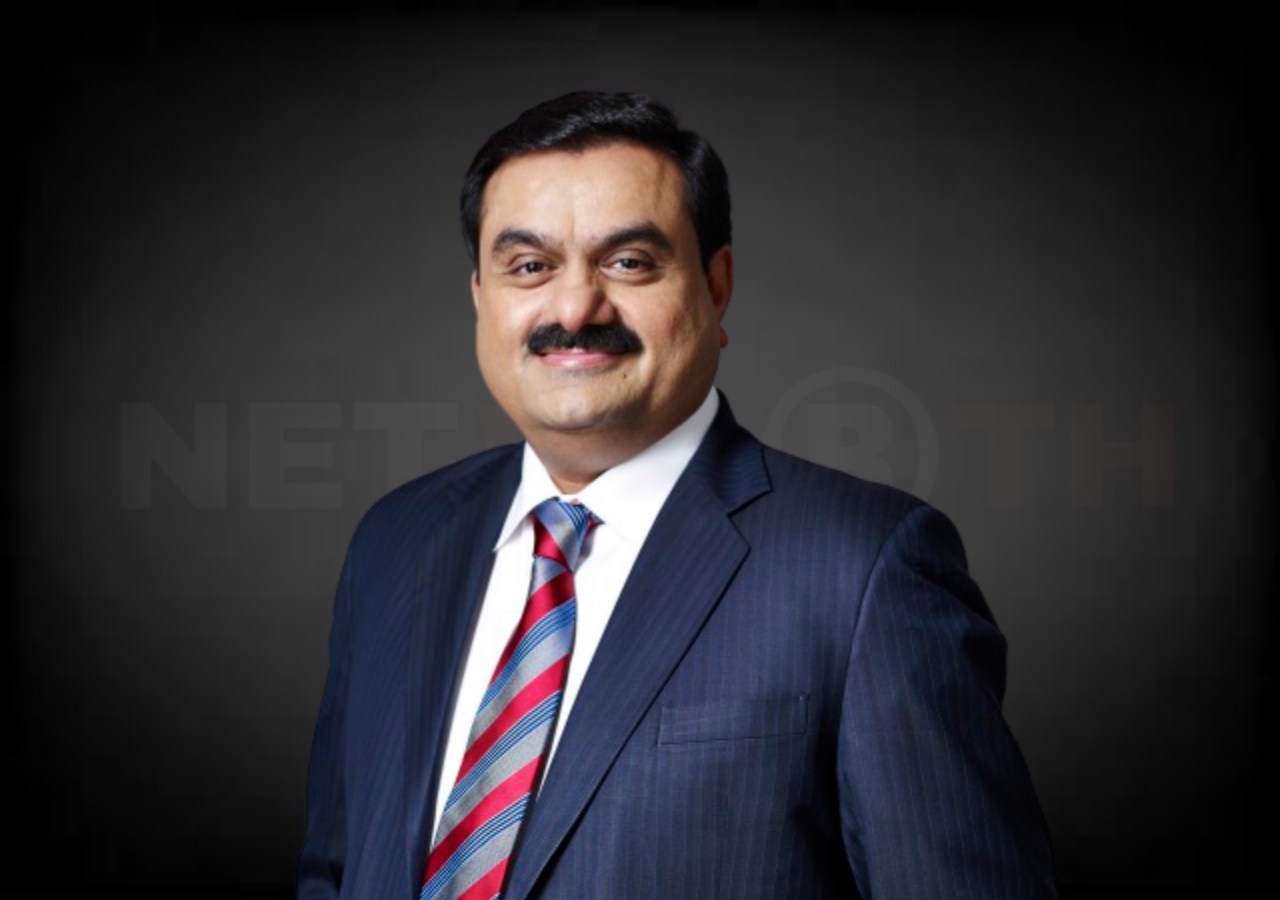
3. The Adani Family
The Adani family has emerged as one of the most important infrastructure forces in South Asia. Its businesses span ports, logistics, airports, power generation, electricity transmission, renewable energy, cement, media, real estate and consumer sectors.
Gautam Adani remains the central figure, while the next generation is already visible in leadership roles. Karan Adani serves as managing director of Adani Ports and Special Economic Zone, while Jeet Adani is involved in the airports business.
The family’s strategic importance comes from its control of connected assets. Ports move cargo, logistics networks connect supply chains, airports move people and energy systems power economic activity. By operating across these sectors, the Adani family has positioned itself close to the infrastructure backbone of a rapidly growing economy.

2. The Ambani Family
The Ambani family has built one of the most powerful corporate ecosystems in Asia. Reliance Industries began as a major force in energy and materials, but its reach now extends into telecommunications, retail, media, entertainment, green technologies and artificial intelligence.
Mukesh Ambani remains chairman and managing director of Reliance Industries. The next generation has also taken on visible responsibilities. Akash Ambani leads Jio’s digital services, while Anant Ambani is involved in renewable energy and sustainability initiatives.
Reliance matters because its influence reaches deep into everyday life. Its businesses connect consumers to mobile data, digital services, physical stores, energy products and entertainment. The Ambani family is not simply operating several businesses. It is building an interconnected economic platform.
1. The Tata Legacy
Tata is different from every other name on this list. It is not a conventional family fortune controlled in the same way as a privately held dynasty. Tata Sons is the principal holding company of the group, and 66 per cent of its equity share capital is held by philanthropic trusts.
That structure has allowed Tata to become both a major corporate institution and a powerful social force. Tata Group companies reported revenue of approximately $180 billion in the 2024 to 2025 financial year. The group operates across more than 150 countries, serves hundreds of millions of consumers and employs more than one million people.
Its companies include major names in information technology, automotive manufacturing, steel, aviation, hospitality, consumer products and financial services. TCS, Tata Motors, Jaguar Land Rover, Air India, Tata Steel, Titan and Taj Hotels demonstrate the scale of its reach.
Tata earns the top position because its influence is larger than any single balance sheet. It represents an enduring model of institution building. Its legacy is based on scale, professional management, long term thinking and the idea that enterprise can serve a purpose beyond private accumulation.
A New Centre of Economic Gravity
Taken together, these families reveal the changing structure of the global economy. Their influence is not limited to personal wealth or luxury assets. It is embedded in ports, factories, banks, construction sites, digital networks, retail systems and consumer brands.
Their future will depend on more than inherited capital. The next generation will have to manage succession, professional governance, technological disruption and public scrutiny. They will also face growing pressure to address climate change, inequality and the social consequences of rapid industrial expansion.
What is already clear in 2026 is that South Asian enterprise is no longer a secondary force in the world economy. These families are helping shape the infrastructure, technology and consumer systems that will define the next era of global growth.

Comments are closed.