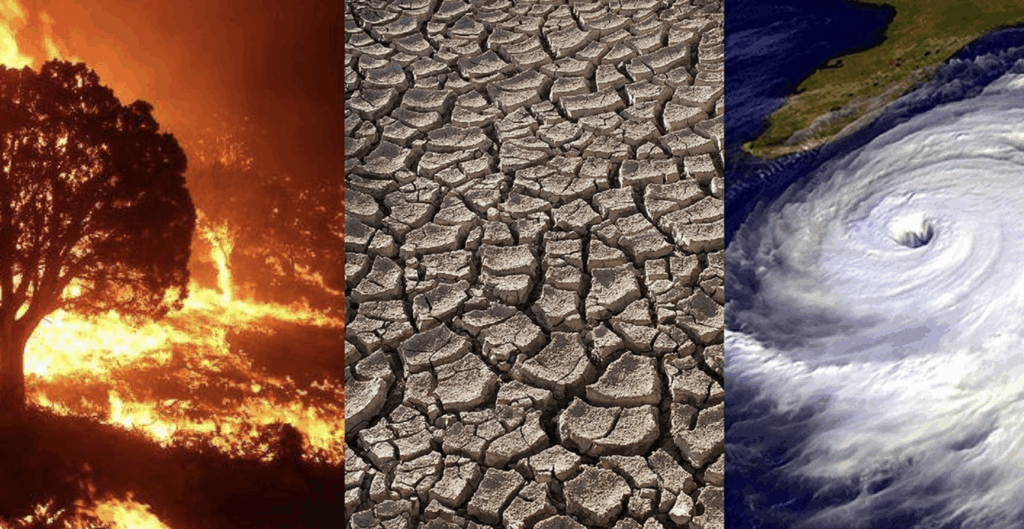
A new scientific study has found that global warming is accelerating at a significantly faster pace than previously observed. After accounting for natural climate influences such as El Niño, volcanic eruptions, and changes in solar activity, researchers concluded that the Earth’s warming trend has become noticeably steeper over the past decade.
The findings provide some of the strongest evidence yet that human-driven climate change is intensifying, with researchers reporting a statistically significant acceleration in global warming.
Warming Rate Has Increased Sharply Since 2015
According to the study, the planet has been warming at an average rate of around 0.35°C per decade over the past 10 years, compared with just under 0.2°C per decade between 1970 and 2015. This represents a substantial increase in the pace of global warming.
Researchers found the acceleration consistently across five major global temperature datasets, giving them more than 98% statistical confidence that the trend is real rather than the result of natural climate variability.
Natural Climate Factors Were Removed
One of the key aspects of the study was its effort to eliminate the effects of temporary natural influences that can mask long-term climate trends. Researchers adjusted the temperature records by removing the impacts of El Niño events, volcanic eruptions, and solar variability.
Once these factors were filtered out, the underlying warming trend became much clearer, revealing that global temperatures have been rising faster since around 2015 than during any previous decade in modern instrumental records.
Warning For Climate Goals
The accelerated warming raises fresh concerns about global efforts to limit temperature increases under international climate agreements. Scientists warn that if the current pace continues, the world could exceed critical warming thresholds sooner than previously expected.
The study suggests that stronger measures to reduce greenhouse gas emissions will be necessary to slow the pace of climate change and minimise its long-term impacts on ecosystems, economies, and communities worldwide.
What The Findings Mean
Researchers say the results do not indicate a sudden change caused by a single event but rather confirm that long-term global warming is progressing faster than before. The findings reinforce the need for continued monitoring of global temperatures and faster action to reduce emissions as countries work towards their climate commitments.
Summary
Scientists have found that global warming has accelerated significantly, with the Earth’s temperature rising at around 0.35°C per decade over the past 10 years, compared with less than 0.2°C per decade between 1970 and 2015. The study, based on five global temperature datasets and backed by more than 98% statistical confidence, highlights growing concerns over the pace of climate change and the urgency of reducing greenhouse gas emissions.
Image Source