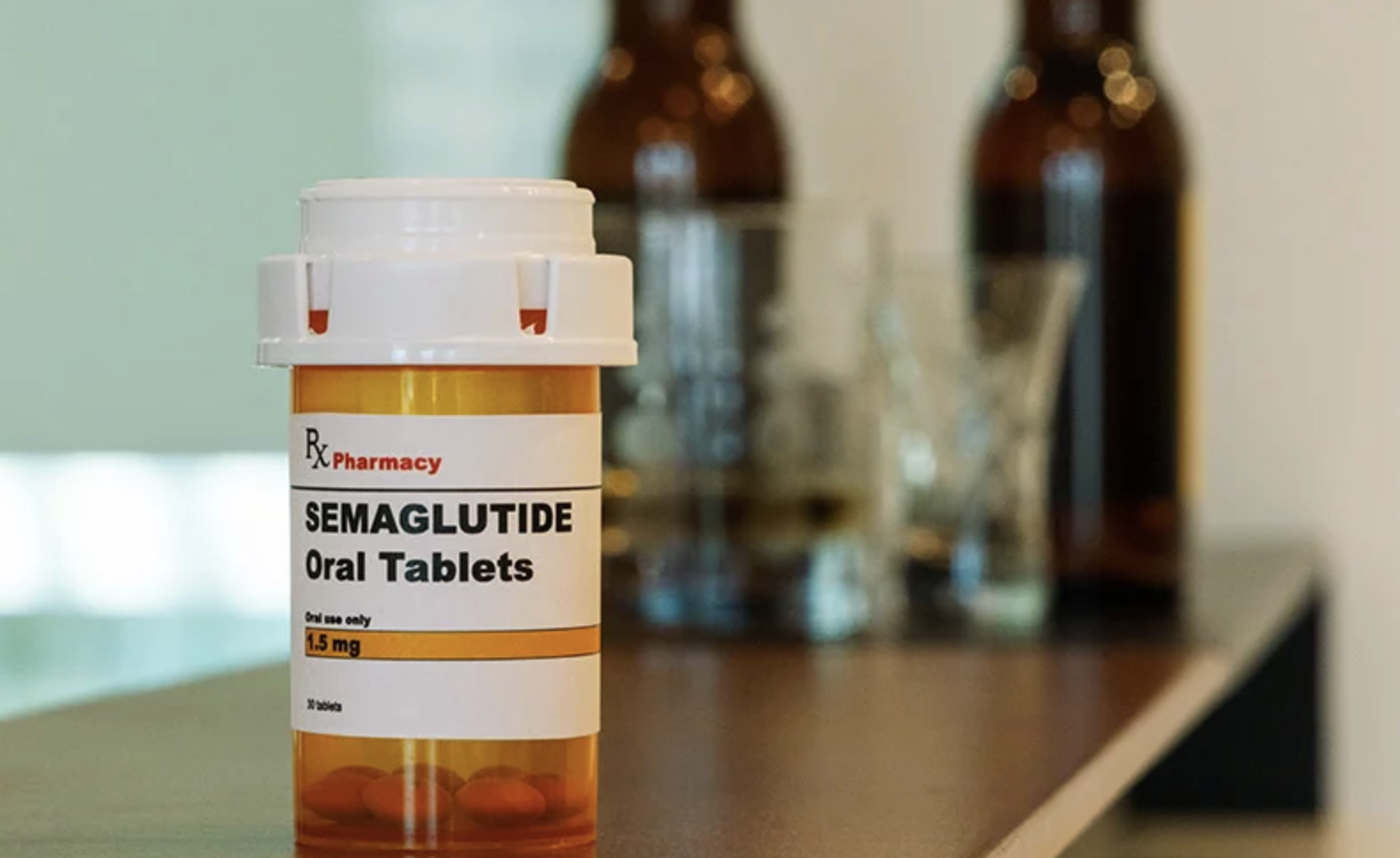
A new clinical study has found that semaglutide—the active ingredient used in popular diabetes and weight-loss medications—could also help people with alcohol use disorder (AUD) significantly reduce heavy drinking. Researchers found that patients receiving semaglutide experienced fewer heavy-drinking days and lower alcohol consumption than those given a placebo, suggesting the drug may become a promising new treatment for alcohol addiction.
What Did The Study Find?
The 26-week randomised, double-blind clinical trial involved 108 adults with moderate-to-severe alcohol use disorder and obesity.
Participants received either a weekly semaglutide injection (2.4 mg) or a placebo, while all participants also underwent cognitive behavioural therapy (CBT).
By the end of the study:
- Heavy-drinking days fell significantly more in the semaglutide group.
- Participants taking semaglutide reduced heavy-drinking days from an average of 17 days per month to around 5 days.
- Overall alcohol consumption also declined substantially compared to the placebo group.
How Does Semaglutide Help?
Semaglutide belongs to a class of medicines known as GLP-1 receptor agonists, which are primarily used to treat type 2 diabetes and obesity.
Researchers believe the drug not only reduces appetite but also affects the brain’s reward pathways, decreasing cravings associated with addictive behaviours such as excessive alcohol consumption.
This mechanism may help people reduce both the urge to drink and the amount of alcohol they consume.
Could This Change Alcohol Addiction Treatment?
Currently, only a handful of medications are approved to treat alcohol use disorder, and many patients either do not respond well or discontinue treatment.
Researchers say semaglutide could become an important additional treatment option, particularly for patients who also have obesity. However, they emphasise that larger studies involving more diverse patient groups are still needed before the drug can be recommended specifically for treating alcohol addiction.
At present, semaglutide is not approved solely for alcohol use disorder.
Promising But Still Early
Experts have described the findings as encouraging because they come from one of the first large randomised clinical trials investigating GLP-1 medicines for alcohol dependence.
While the results suggest semaglutide may help reduce cravings and heavy drinking, doctors caution that patients should not self-medicate or use the drug specifically for alcohol addiction without medical supervision until additional clinical evidence becomes available.
Summary
A new 26-week clinical trial involving 108 adults found that semaglutide significantly reduced heavy drinking among people with alcohol use disorder and obesity. Participants receiving the weekly GLP-1 medication reduced heavy-drinking days from around 17 to 5 per month while also lowering overall alcohol consumption, raising hopes that semaglutide could become a future treatment option for alcohol addiction after further research.
Image Source