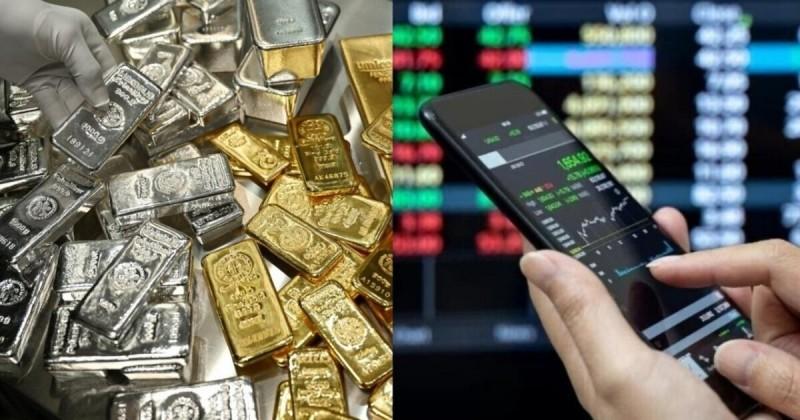
Gold and silver prices came under pressure on Friday as rising crude oil prices, changing expectations around US interest rates and broader market uncertainty weighed on precious metals.
On the international market, COMEX gold was trading at around $4,369.40 an ounce, down 0.86% from the previous close. Silver faced sharper losses, with COMEX silver falling 1.57% to around $63.91 an ounce.
The decline came even as crude oil prices surged, with Brent crude moving above $108 a barrel and US West Texas Intermediate crude crossing $103 a barrel. The sharp rise in oil has raised concerns about inflation and its possible impact on the US Federal Reserve’s interest-rate decisions.
Why are gold and silver prices falling?
One of the key factors influencing bullion prices is the outlook for US monetary policy. Stronger-than-expected US employment data recently increased expectations of higher interest rates, pushing up bond yields and making non-yielding assets such as gold relatively less attractive.
Gold had already weakened earlier in September after robust US jobs data boosted expectations of a possible rate hike at the Federal Reserve’s September 16 meeting. Markets have been closely watching inflation data for further clues about the Fed’s next move.
A stronger US dollar can also weigh on precious metals because gold and silver are primarily priced in dollars. When the dollar strengthens, bullion becomes more expensive for holders of other currencies, potentially reducing demand.
Crude oil adds another layer of uncertainty
The sharp rise in crude prices is creating a complicated environment for gold and silver.
Higher oil prices can increase inflation concerns, which may traditionally support gold’s appeal as a hedge. However, if rising energy prices lead central banks to maintain or increase interest rates, higher yields and a stronger dollar could put pressure on bullion.
This tug-of-war is likely to keep precious metals volatile in the near term.
What could decide the next move?
Investors will be closely watching US inflation figures, Federal Reserve commentary, bond yields and the dollar for fresh direction.
Geopolitical developments will also remain important. Any escalation that increases demand for safe-haven assets could support gold and silver, while easing geopolitical risks could reduce that support.
Central-bank buying is another factor providing longer-term support to gold. Analysts continue to see central-bank demand, geopolitical uncertainty and the broader global economic outlook as important drivers for bullion prices.
Gold and silver outlook
The near-term outlook remains cautious as precious metals face pressure from interest-rate expectations and rising yields. However, the longer-term picture remains supported by central-bank demand, geopolitical uncertainty and gold’s role as a store of value.
Silver could remain more volatile because, unlike gold, it also has significant industrial demand. Any change in expectations for global economic growth could therefore have a stronger impact on silver prices.
For investors, the next major cues are likely to come from the US inflation data and the Federal Reserve’s September policy decision. The direction of interest rates, the dollar and crude oil prices could determine whether the recent correction deepens or precious metals regain momentum.