
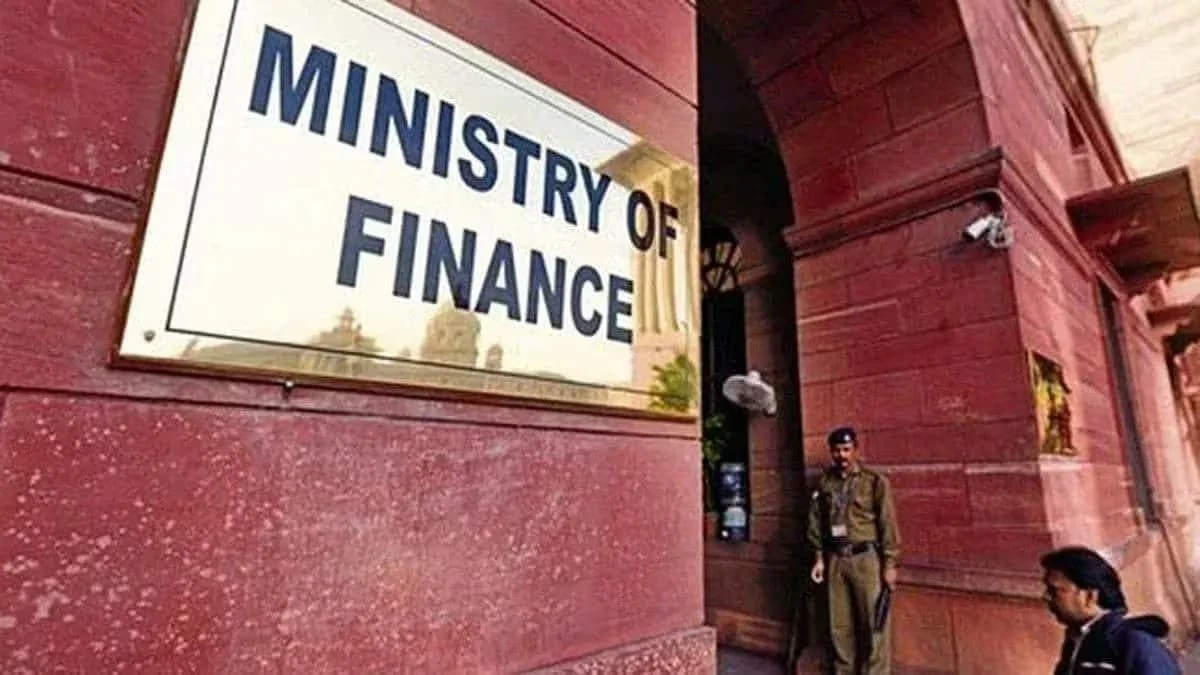

The Ministry of Finance late evening issued a notification increasing customs duty on several categories of precious metal waste, scrap and ash imports to 10%, in a move that could further discourage non-essential gold and precious metal imports into the country.
According to Notification No. 15/2026-Customs dated May 12, 2026, the government has amended earlier customs notifications issued in October 2025 and revised duty rates on multiple tariff lines linked to precious metal imports.
The notification stated that customs duty on several categories previously attracting 5% duty has now been raised to 10%. The changes include imports of spent catalyst or ash containing precious metals as well as certain categories of goods falling under tariff headings linked to precious metal-bearing materials.
The revised rates will come into effect immediately, while a special provision for “spent catalyst or ash containing precious metals” will remain valid until March 31, 2027.
The latest move comes at a time when the government has been increasingly vocal about reducing non-essential imports and conserving foreign exchange outflows caused by elevated gold imports.
Just days ago, Prime Minister Narendra Modi had urged citizens to avoid unnecessary gold purchases for one year and instead focus on productive investments and economic discipline. During his remarks, the Prime Minister stressed the importance of fuel conservation, domestic economic resilience and reducing avoidable imports amid global uncertainties and geopolitical tensions. His comments had triggered a sharp selloff in listed jewellery stocks including Titan, Kalyan Jewellers, Senco Gold and Thangamayil Jewellery earlier this week. (CNBC-TV18)
Market participants believe the latest customs duty revision aligns with the broader policy objective of moderating precious metal imports, especially at a time when gold prices remain near record highs globally.
India is one of the world’s largest importers of gold, and elevated imports often widen the country’s trade deficit. Policymakers have historically used customs duties as a tool to regulate demand and manage external balances.
The notification was issued by the Department of Revenue under powers granted by the Customs Act, 1962 and Customs Tariff Act, 1975.

Comments are closed.