
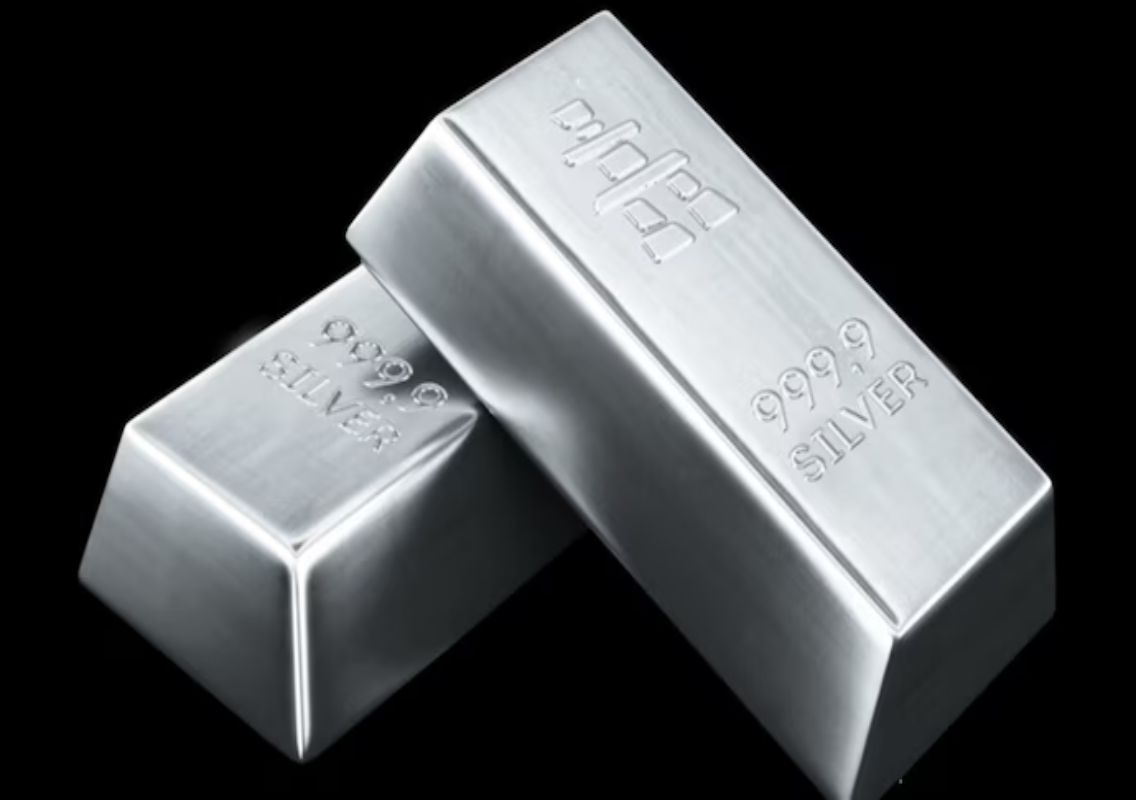

New Delhi: The Centre has imposed fresh restrictions on the import of certain categories of silver bars, including those with 99.9 per cent purity, with immediate effect amid rising geopolitical tensions in West Asia.
According to a notification issued by the Directorate General of Foreign Trade (DGFT), the import policy for these silver bars has been revised from the “Free” category to the “Restricted” category. This means that importers will now require a government permit or licence to bring such silver into the country.
The move is part of a broader effort by the government to tighten control over precious metal imports and manage the country’s rising import bill during a period of global uncertainty.
Revised import policy comes into force immediately
The notification, issued by the Commerce Ministry, stated that the changes have come into effect immediately. Apart from 99.9 per cent purity silver bars, other specified categories of silver bars have also been shifted to the restricted list.
Earlier, importers could freely bring in these items without prior approval. However, under the revised policy, imports will now be subject to stricter scrutiny and approval processes, enabling authorities to monitor inflows more closely.
Officials indicated that the move is aimed at ensuring better regulation and preventing excessive imports that could impact India’s foreign exchange reserves.
Measures linked to West Asia crisis
The decision comes against the backdrop of ongoing geopolitical tensions in West Asia, which have disrupted global trade and energy supply chains. The volatility in international markets has led to a sharp rise in commodity prices, including precious metals.
India, being one of the largest importers of gold and silver, is particularly vulnerable to such fluctuations. Increased imports of these metals can significantly widen the current account deficit and put pressure on the rupee.
By restricting imports, the government aims to curb non-essential expenditure and maintain macroeconomic stability during uncertain times.
Higher import duties to discourage purchases
In addition to the import restrictions, the government has also increased customs duties on precious metals. Import duty on gold and silver has been raised to 15 per cent from the earlier 6 per cent, effective May 13.
Similarly, the duty on platinum has been increased to 15.4 per cent from 6.4 per cent. The changes also extend to related items such as gold and silver dore, coins and findings.
These higher duties are intended to discourage excessive purchases and reduce the overall import burden, especially at a time when global prices remain elevated.
Tightened norms for gold imports
The government has also introduced stricter rules for gold imports under the Advance Authorisation scheme, which allows jewellery exporters to import raw materials duty-free for export purposes.
A 100 kg limit has now been imposed on gold imports under this scheme, whereas earlier there was no cap. Authorities have also strengthened monitoring mechanisms to ensure compliance and prevent misuse of the facility.
The tightening of norms reflects a broader policy shift towards greater oversight of precious metal imports.
Call for austerity and reduced imports
The recent measures follow Prime Minister Narendra Modi’s call for reducing non-essential imports and conserving foreign exchange. He had urged citizens to limit discretionary spending on items such as gold, which contribute significantly to the import bill.
The government has been actively exploring ways to reduce external vulnerabilities, particularly in light of rising crude oil prices and global economic uncertainty.
Impact on industry and consumers
Industry experts believe the restrictions could impact jewellers and bullion traders, especially those reliant on imported silver for manufacturing and trading activities. The requirement of permits may also lead to delays and increased compliance costs.
However, the measures are expected to help stabilise the external sector by reducing pressure on foreign exchange reserves.
Analysts also suggest that the steps could encourage the recycling of domestic silver and promote more efficient use of existing resources.
Conclusion
The government’s decision to restrict imports of high-purity silver bars marks a significant step towards tightening control over precious metal inflows during a period of global uncertainty. Along with higher import duties and stricter norms for gold imports, the move reflects a coordinated strategy to manage the country’s import bill and safeguard economic stability.
While the restrictions may pose short-term challenges for industry players, they are aimed at ensuring long-term macroeconomic resilience in the face of evolving global risks.

Comments are closed.