

New Delhi: The government Saturday said it expects any damage to agriculture from a potential El Nino weather pattern this year to be limited, citing improved irrigation infrastructure, higher reservoir levels and better-prepared farmers than during previous such episodes.
The assurance came as Agriculture Minister Shivraj Singh Chouhan chaired a preparatory meeting for the Kharif crop season, which begins with the onset of the southwest monsoon in June and accounts for a substantial share of the country’s annual farm output.
The India Meteorological Department (IMD), has forecast below-normal monsoon rainfall this year at around 92 per cent of the long-period average, and has flagged a risk of El Nino conditions developing during the season. A final forecast is due in late May.
“Farmers need not have any concerns,” Chouhan told the meeting, according to a ministry statement, adding that the government was moving ahead with “complete preparedness.”
“Despite the potential El Nino impact, its effect on the agriculture sector is likely to remain relatively limited compared to previous instances,” the statement added.
A critical factor behind the government’s confidence is the current state of water reserves. Reservoir storage across the country stands at 127 per cent of the normal level for this time of year, the officials said in the meeting, providing a significant buffer for irrigation needs through the growing season.
Seed stocks for both the Kharif and subsequent Rabi seasons have been secured above requirements, with emergency reserves set aside should adverse weather force farmers to replant or switch crops.
Officials at the meeting contrasted current conditions with El Nino episodes between 2000 and 2016, when crop losses were more severe because farmers relied more heavily on rainfall and had fewer tools to cope with climate shocks.
Since then, India has expanded micro-irrigation networks, introduced climate-resilient seed varieties and strengthened early-warning systems – changes the government said have materially reduced the sector’s vulnerability.
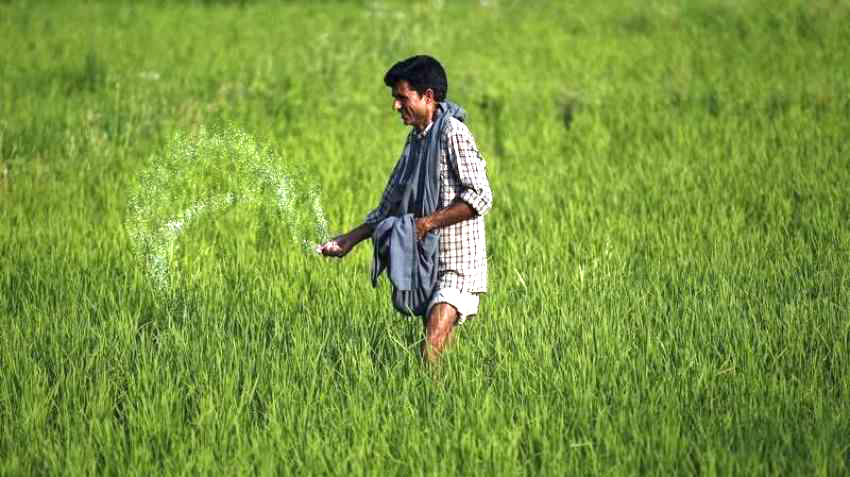
Paddy, the main Kharif crop grown across large swathes of the country, was specifically cited as showing greater stability, while contingency plans are being drawn up for crops considered more exposed to a rainfall shortfall.
Chouhan directed state governments to activate contingency plans down to the district level, and asked officials to promote drought-tolerant varieties and delayed sowing strategies as practical options for farmers if conditions worsen.
A crop-weather monitoring mechanism is already operational, the ministry said, with the Centre and states coordinating regularly to enable quick responses.
El Nino, a periodic warming of surface waters in the central and eastern Pacific Ocean, typically disrupts monsoon patterns over South Asia and has historically been associated with weaker-than-normal rainfall in India, raising the risk of drought in rain-fed farming regions.
India is the world’s second-largest producer of rice and wheat, and farm output directly affects the livelihoods of hundreds of millions of people.
PTI

Comments are closed.