
The Union Cabinet has approved a Rs 23,731 crore national plan to scale up compressed biogas production, with food waste, cattle dung, crop residue, press mud and other organic material becoming feedstock for fuel that can enter the same gas network used by CNG vehicles.
The headline number is often rounded to Rs 24,000 crore, but the approved outlay is Rs 23,731 crore. The GOBARdhan National Circular Bioenergy Scheme will run from FY 2026-27 to FY 2035-36 and aims to increase domestic CBG production nearly ten-fold.
Compressed biogas is purified biogas with properties similar to natural gas. Once it meets the required fuel specification, it can be supplied through city gas networks and blended with conventional natural gas used for CNG at filling stations.
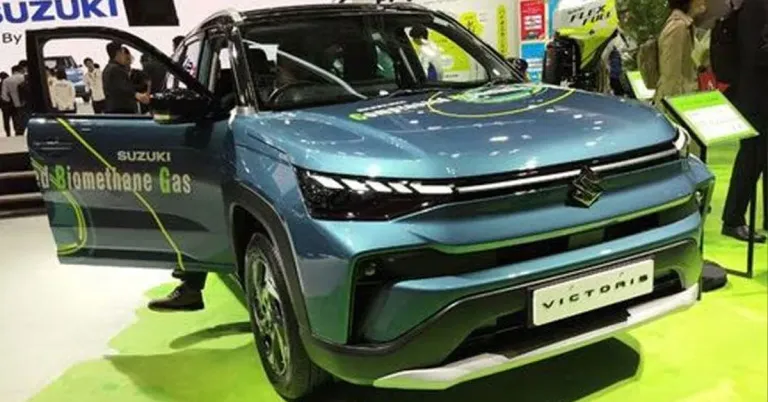
For a CNG-car owner, there is no separate CBG tank or special engine modification. The fuel can be part of the gas already dispensed as CNG. The government’s mandatory CBG obligation requires city gas distributors to source 3 per cent of CNG and domestic PNG consumption from CBG in FY 2026-27, 4 per cent in FY 2027-28 and 5 per cent from FY 2028-29.
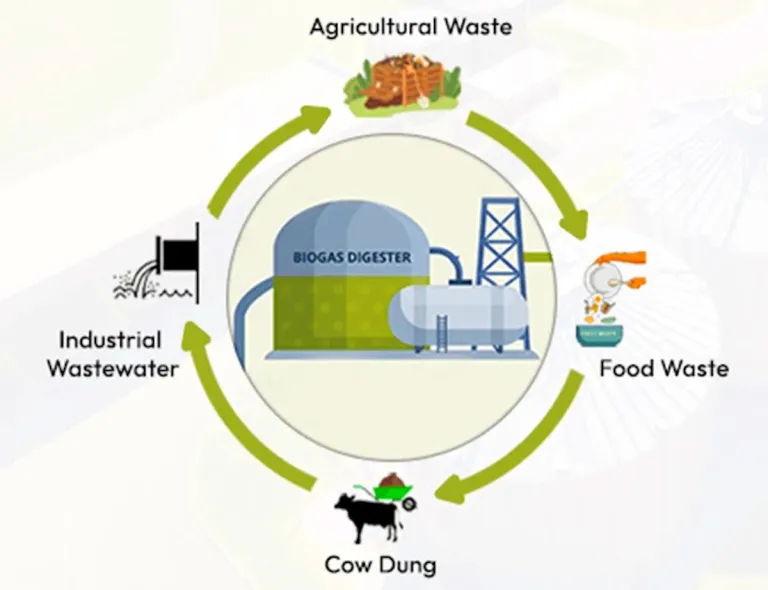
The feedstock can come from municipal organic waste, kitchen and food waste, cattle dung, agricultural residue and sugar-industry press mud. The same process also produces fermented organic manure, giving plants a second saleable output.
India already has more than 200 commissioned CBG plants, but many projects have struggled with uncertain feedstock supply, financing, gas evacuation and long-term offtake. The new scheme addresses those problems directly.
City gas distributors will provide an assured offtake route, giving plants a defined buyer. The government has also introduced an administered CBG price of Rs 2,110 per MMBTU with a minimum ten-year pricing horizon. The aim is to give plant developers enough revenue visibility to secure loans and invest in capacity.
Eligible new CBG projects can receive capital assistance of up to Rs 2 crore for every tonne per day of installed production capacity. Brownfield projects that expand capacity can also qualify. The scheme will additionally support pipelines connecting plants with trunk gas networks and city gas distribution systems.
A credit-guarantee mechanism is intended to reduce lending risk for eligible MSME projects, while a separate challenge fund will support district-level feedstock mapping, aggregation systems, technology improvements and manure processing.

The plan has a clear automotive link because every additional tonne of CBG that enters a city gas network can replace part of the fossil natural gas used in CNG vehicles. It also gives municipalities and food businesses a paying route for organic waste that would otherwise be difficult to process.
The difficult part is collecting clean feedstock every day. Municipal waste often arrives mixed with plastic and other contamination. Crop residue is seasonal and costly to transport. Cattle dung is widely available but scattered. A CBG plant needs a dependable supply chain, not occasional waste deliveries.
Pipeline access is another practical issue. Trucking compressed gas from a remote plant adds cost, so the new pipeline support can be important where plants sit away from existing city gas infrastructure.
For CNG-car customers, the scheme does not promise an immediate fall in pump prices. Its more realistic near-term effect is to increase the domestic renewable share of the gas being sold. For developers, farmers, municipalities and city gas companies, the Rs 23,731 crore programme creates stronger financial incentives to turn waste into fuel.
If the collection, pipeline and offtake systems work as planned, a portion of the gas powering CNG cars over the next few years could increasingly come from food waste and farm residue rather than imported fossil gas.