After the end of the T20 series between India and West Indies, now the focus of the Indian team is on the New Zealand tour. The last match of the series against West Indies could not be completed due to rain and the series ended in a draw.
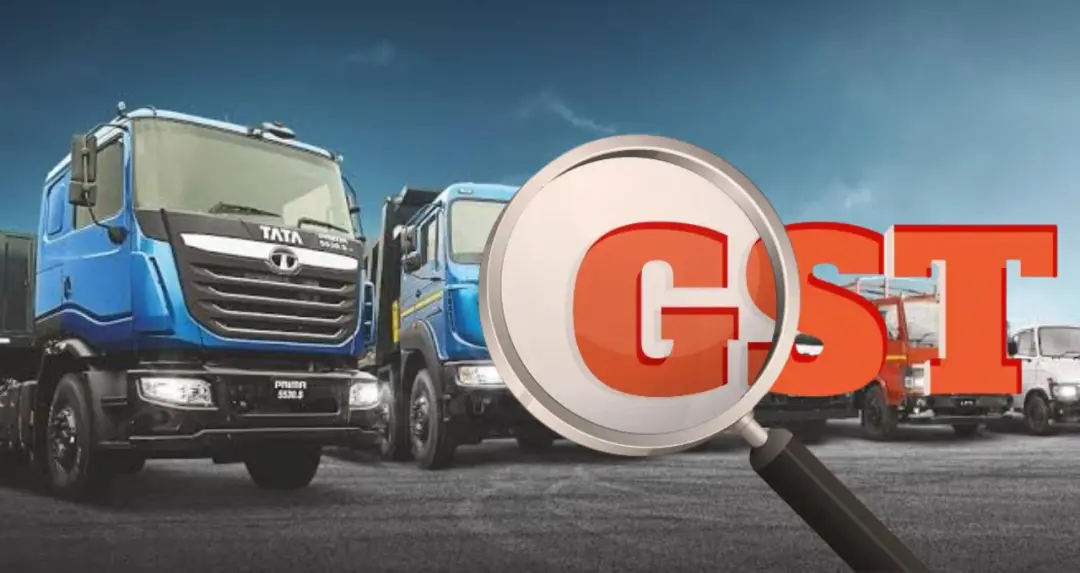
Business News: To provide relief to truck drivers carrying goods and people involved in transport business, Tamil Nadu has changed the process of inspection of vehicles under Goods and Services Tax (GST). According to the new instructions, now solid intelligence and approval from a senior officer will be required to stop trucks. The move aims to prevent arbitrary road checks, increase accountability and ease movement of goods.
The state has decided to replace the system of roving squads that regularly stop and check trucks with flying squads. Under the new system, the investigation team will not be able to stop any vehicle on the way as per their wish. They will have to take action only on the basis of prescribed procedure and available intelligence information.
What is the difference between Roving Squad and Flying Squad?
Roving squads generally roam around on the roads to check vehicles carrying goods. In this system, transporters may have to face sudden checks on the way, due to which there is a possibility of delay in delivery of goods at times.
In contrast, flying squads are deployed to act on specific information. According to the new instructions implemented in Tamil Nadu, the authorities concerned must have solid intelligence in electronic format recorded over time before stopping a goods vehicle. Additionally, permission of the Joint Commissioner will also be required. This change is expected to make the investigation process more systematic and increase the accountability of officers.
Arrangements changed after GST Council meeting
The issue of making inspection of goods vehicles more transparent was also raised in the 57th meeting of the GST Council. In the meeting, it was recommended to improve the process of checking and verification of goods on the basis of e-way bill. Its objective is to ensure that vehicles carrying goods between state borders are not stopped unnecessarily.
E-way bill is an electronic document, which is used to record information related to the movement of goods under prescribed rules. On the basis of this, officials can verify the details related to goods and transportation.
According to the recommendations of the Council, a system was proposed to limit the authority to investigate, detain or seize goods to the authorities of the supplier state or the destination state. Its purpose is that there should not be a situation of stopping and checking the vehicle in every state passing between the two states.
Why would the approval of the Joint Commissioner be necessary?
In the new instructions of Tamil Nadu, the role of senior officers has been made important during the investigation process. The investigation team will be stationed in the office of the Joint Commissioner (Intelligence) and will obtain prescribed clearance before stopping the vehicle. Under this system, intelligence information and written instructions recorded in electronic records will form the basis of action. This can make it easier to find out why a vehicle was stopped and at what level permission was given for investigation.
However, the new rules do not mean that inspection of goods vehicles has been stopped completely. According to the rules, the concerned authorities will continue to have the right to investigate in necessary circumstances. The change is mainly related to the process of stopping vehicles and the permission required for it.
What will be the benefit to transporters and business?
Truck transportation is an important part of the country's supply chain. From raw materials to finished products, large quantities of goods are transported from one state to another by road. Unnecessary disruptions in transit can lead to delivery delays, increased operational costs and logistics expenses. The new system is expected to provide relief to transporters from unnecessary checks. Also, taking action as per the prescribed procedure can increase transparency and reduce complaints of arbitrary restrictions.