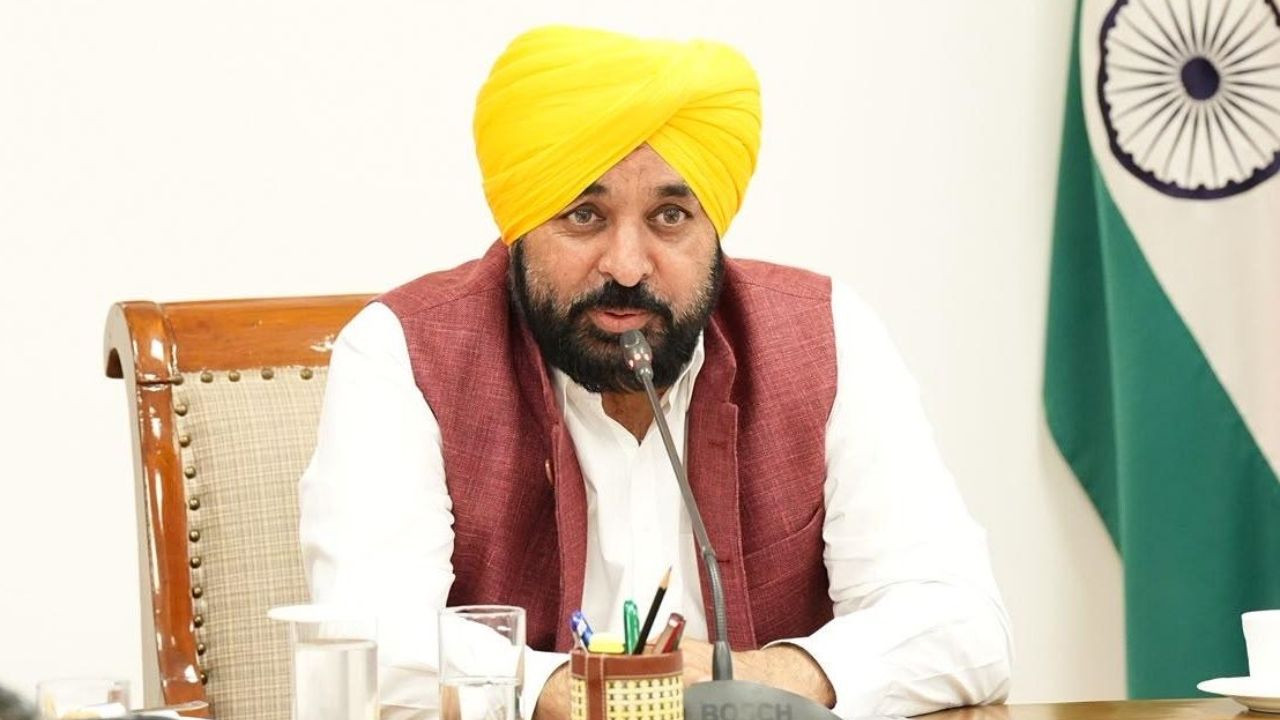
Chandigarh: Harm-reduction services provided by the Bhagwant Mann government are an important component of the 'War on Drugs' campaign and are emerging as an important pillar in the state's fight against the drug menace. People suffering from Substance Use Disorder (SUD) can avail harm-reduction services through 547 Outpatient Opioid Assisted Treatment (OOAT) centers run by the state health department and 47 Opioid Substitution Therapy (OST) centers run by the Punjab State AIDS Control Society, as well as targeted intervention services.
Meaning of harm reduction and its benefits according to WHO
According to the World Health Organization (WHO), harm-reduction encompasses a range of interventions that aim to reduce the health and social side effects associated with drug use, including HIV infection. Rather than focusing solely on drug use, a harm-reduction approach seeks to identify and address various risk factors associated with drug use, in order to reduce potential harm.
Evidence shows that when harm-reduction measures are implemented at sufficient scale and with broad coverage, they can help stop, slow, and even end the HIV epidemic among people who inject drugs. These services also help prevent other blood-borne infections such as hepatitis B and C, reduce overdose deaths, reduce crime, and address social exclusion.
Health Minister Dr. Balbir Singh's sensitive approach and emphasis on re-inclusion
Health and Family Welfare Minister Dr. Balbir Singh has described harm reduction as an essential part of the government's comprehensive strategy towards the drug problem. Dr. Balbir Singh said, “We have to adopt a sensitive approach towards the victims and provide them with treatment as well as necessary skills for dignified reintegration.” He explained the government's approach to bringing affected people back into the mainstream of society rather than allowing them to further avoid treatment due to stigma.
Buprenorphine based treatment through more than 500 OOAT centers
The largest harm-reduction intervention in the state is being implemented through more than 500 OOAT centres, where patients can receive counseling as well as treatment for opioid use disorder and medications used to manage acute or chronic pain based on prescriptions issued by government psychiatrists. This outpatient treatment strategy involves the administration of buprenorphine (BPN) or a combination of buprenorphine and naloxone. This drug mimics the effects of addictive opioid substances, but is relatively safe even for long-term use.
Scientific validation of daily dose and OST at OOAT center
Patients come to the OOAT center daily to take prescribed doses. Patients who meet certain criteria are also given doses of the drug to take home for a certain number of days. According to Dr. Atul Ambekar, Professor, National Drug Dependence Treatment Center (NDDTC), AIIMS Delhi, “This treatment, known as Opioid Substitution Treatment (OST) or Opioid Agonist Treatment, is considered the first choice for long-term treatment of opioid dependence.”
Clarification of common misconceptions about OST
Explaining the nature of the treatment, Dr. Atul Ambekar explained, “Since the drug used in this treatment can also be addictive, there is often a misconception that it is substituting one drug for another. People need to understand that many health problems may require taking the drug for a long time (for many years and possibly even for life). Simply taking a pill daily does not make a person 'addicted'.”
Awareness, treatment promotion and safe injection counseling
Under this program, drug users are made aware of the health risks associated with drug abuse and encouraged to seek treatment. For people who still inject drugs, health teams provide advice on how to inject safely. This emphasizes not reusing someone else's used syringe and adopting safe injection practices that reduce the risk of infections such as HIV and hepatitis.
Methadone maintenance therapy expansion and new clinics
The state has also expanded treatment options, including oral substitution therapy, particularly through liquid methadone. Six dedicated methadone clinics are now operating in Faridkot, Ludhiana, Patiala, Gurdaspur, Mohali and Jalandhar as an alternative to buprenorphine. The state is setting up six more methadone maintenance treatment centres, bringing the total number of such dedicated centers to 12.
Health Minister's statement on the benefits of methadone maintenance therapy
Health Minister Dr Balbir Singh said, “Methadone maintenance therapy, implemented in line with World Health Organization (WHO) and National AIDS Control Organization (NACO) guidelines, provides an effective treatment option for people suffering from long-term opioid dependence. This comprehensive approach will improve treatment outcomes and help patients successfully reintegrate into their families and society.”