
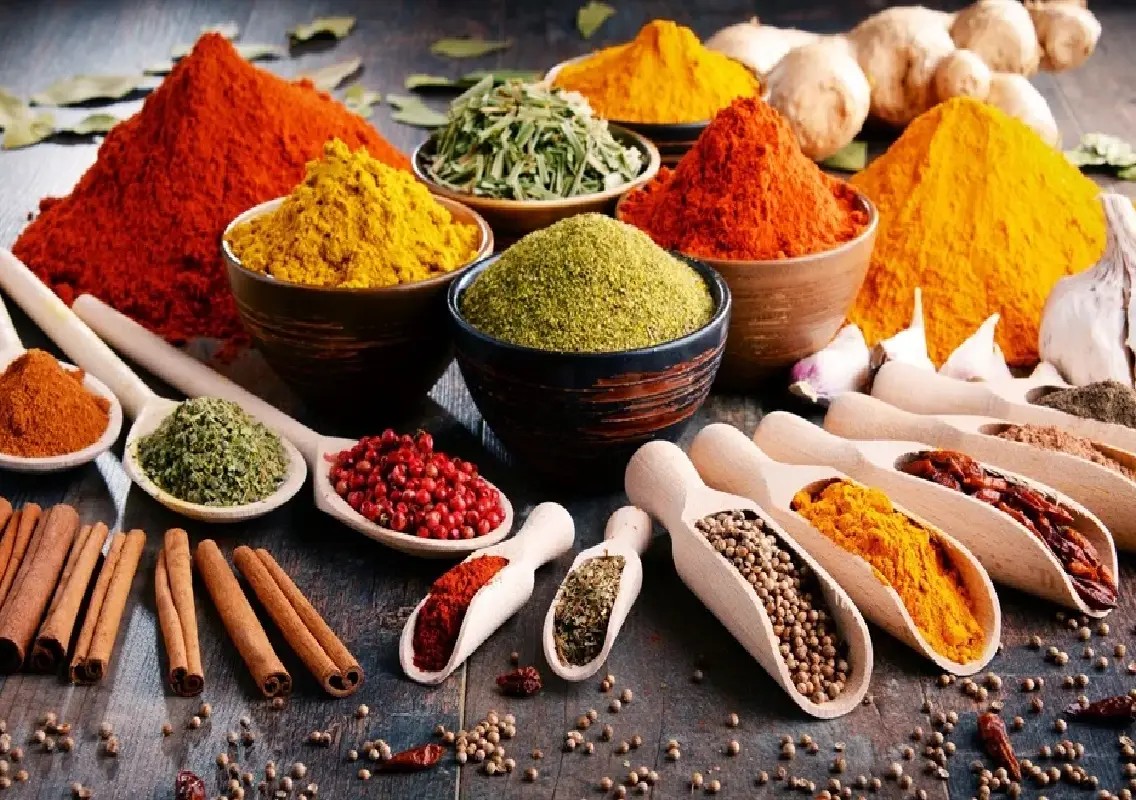

Researchers reviewing studies conducted at the University of California, Los Angeles (UCLA) Center for Human Nutrition have found that herbs and spices may provide significant health benefits, including improved blood sugar control, reduced inflammation, enhanced gut health and protection against chronic diseases.
The findings were published in the journal Nutrition Reviews after researchers analysed available literature and multiple human and laboratory studies conducted between 2010 and 2024.
Herbs and spices long linked to traditional medicine
Herbs and spices have been used for centuries across Mediterranean, Middle Eastern and Asian cultures for culinary and medicinal purposes.
Researchers noted that herbs are typically obtained from fresh leaves and flowers, while spices are usually derived from roots, seeds, bark, stems, berries or buds and are commonly dried before use.
Apart from enhancing flavour, herbs and spices are also widely used as preservatives and traditional remedies.
Several global dietary guidelines now encourage the use of herbs and spices as healthier alternatives to salt in an effort to reduce sodium intake and lower blood pressure.
The review highlighted that individuals who regularly consume spicy foods often tend to consume less salt and may have lower blood pressure levels.
Antioxidants may help fight chronic diseases
According to researchers, many herbs and spices contain polyphenolic compounds and antioxidants that may help reduce oxidative stress caused by excess free radicals in the body.
Oxidative stress has been linked to ageing and various chronic illnesses, including cancer, cardiovascular diseases and metabolic disorders.
Compounds such as flavonoids, phenolic acids and other plant-based metabolites found in spices may help neutralise harmful free radicals and reduce cellular damage.
Researchers stated that these antioxidant properties could contribute to long-term health protection when herbs and spices are included as part of a balanced diet.
Cinnamon linked to improved glucose control
The review found that cinnamon showed promising effects on blood sugar regulation in several clinical studies.
Researchers at UCLA observed that cinnamon supplementation reduced post-meal insulin and glucagon levels among both normal-weight and overweight participants.
The studies also found lower average glucose levels and notable changes in gut microbiome composition among participants consuming cinnamon compared to placebo groups.
However, researchers cautioned that some participants experienced temporary increases in blood glucose at certain stages, suggesting that cinnamon’s metabolic effects may be complex.
Apart from glucose regulation, cinnamon was also linked to anti-inflammatory, antioxidant, liver-protective and neuroprotective properties.
Researchers believe compounds such as cinnamaldehyde may play a major role in these protective effects.
Red pepper compounds may support metabolism
The review also examined the metabolic effects of capsaicin and capsinoids found in chilli peppers and sweet red peppers.
Researchers noted that capsaicin can stimulate thermogenesis — the body’s heat production process — though high doses may trigger gastrointestinal side effects.
Studies involving non-pungent CH-19 sweet peppers containing capsinoids such as dihydrocapsiate showed potential benefits related to fat metabolism and energy expenditure.
A UCLA study conducted in 2010 found that overweight and obese participants consuming 9 milligrams of dihydrocapsiate experienced increased post-meal energy expenditure while following a low-calorie diet.
However, researchers noted that later studies produced mixed results regarding long-term effects on fat oxidation and exercise metabolism.
Turmeric shows promise in brain and joint health
Turmeric and its active compound curcumin were also highlighted for multiple potential health benefits.
A UCLA study in 2014 found that combining curcumin with other plant compounds enhanced anti-cancer effects in prostate and breast cancer cells.
Another study conducted in 2018 suggested that long-term supplementation with a bioavailable form of curcumin improved memory, mood and attention in older adults.
Additional findings indicated that curcumin may help reduce knee pain in osteoarthritis patients and improve cholesterol profiles among individuals with metabolic syndrome.
Researchers said curcumin acts as a powerful antioxidant and anti-inflammatory compound while also influencing pathways associated with cancer cell growth and cell death.
Spice mixtures may improve gut health
The review further noted that combinations of spices such as black pepper, cayenne, cinnamon, ginger, oregano, rosemary and turmeric may promote the growth of beneficial gut bacteria.
Studies suggested that spice-rich diets may support healthy levels of lactobacilli and bifidobacteria while suppressing some harmful bacteria.
Researchers also found that adding polyphenol-rich spices to meat before cooking significantly reduced markers of lipid oxidation and oxidative stress.
Among commonly studied spices, oregano demonstrated particularly high antioxidant capacity.
The review additionally noted that turmeric’s curcumin retains effectiveness after cooking and may work more effectively when combined with black pepper.
Researchers call for more studies
Despite encouraging findings, researchers stressed that more large-scale and well-designed studies are necessary to better understand the real-world health impacts of herbs and spices.
The review pointed out that many laboratory studies use concentrations far higher than what people typically consume in daily diets.
Researchers also noted that cooking methods, digestion, metabolism and interactions with other foods may affect how spice-derived compounds are absorbed and utilised by the body.
Experts concluded that increasing research into herbs and spices could help develop practical dietary strategies aimed at improving long-term public health outcomes.

Comments are closed.