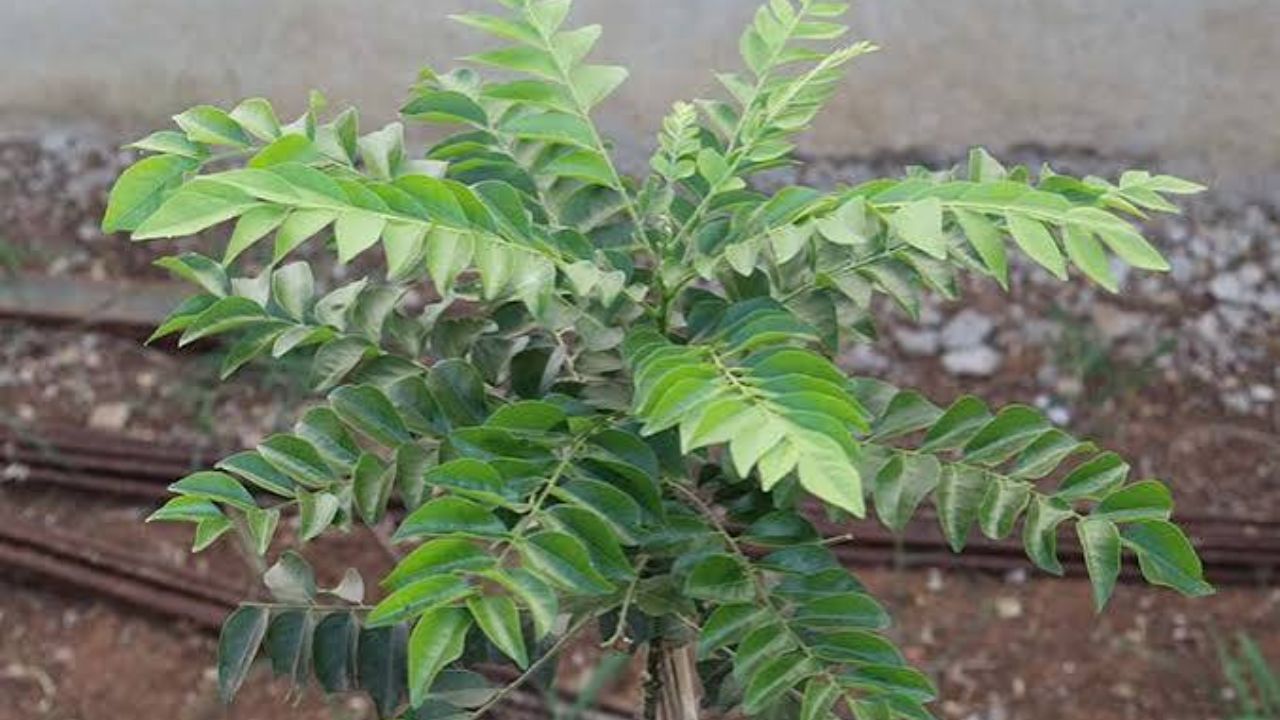
- Plowing the ground for the mustard plant and placing it in the sun.
- Use vermicompost and acid vinegar water.
- How to care and take care of the plant in winter.
Curry leaves, considered an important ingredient in every home garden and kitchen, winter It goes dormant as soon as it starts. Many people use dill in their garden and kitchen. In winter, plant growth stops, leaves turn yellow and fall off, and if neglected, the plant may even die. But not to worry, experienced gardeners believe that with a little care in early winter, your plant can rejuvenate itself. A homemade solution made from ingredients readily available in the kitchen improves the soil's pH balance, allowing the plant to absorb nutrients fully from its roots. This secret trick will protect your curry leaves from the cold and return them to lush, dense foliage in the spring. , let's learn how to grow a plant step by step. (home tips)
Plowing the land and exposing it to the sun
Why is this important – After monsoon Potting soil often hardens, preventing oxygen and air from reaching the roots.
Procedure: In the morning, gently dig up the top 1 to 2 inches of soil in the pot with a spade or tool.
Benefit: After weeding, keep the pot in full sun for a full day. Sunlight dries out excess moisture in the soil and naturally kills harmful fungi, algae and bacteria that may grow there.
Problem: Plants such as curry leaves, lemons and jasmine like slightly acidic soil. When potting soil becomes alkaline, the plant's ability to absorb nutrients is reduced. This causes the leaves to turn yellow and fall off, and stunt growth no matter how much fertilizer you add.
use-
White vinegar: Just mix 2 tablespoons of vinegar with 1.5 liters of water. This is the most simple and effective method.
Sour buttermilk: Mix 1 glass of sour buttermilk in 1 liter of water and pour it on the roots.
Alum: Take a small piece of alum and dissolve it in water.
Sugar Free Ladoo: Make Diabetic Friendly Gum-Coconut Healthy Ladoo Without Sugar Jaggery, Gives Body Energy
Use of neem meal powder
In cool and humid climates, potting soil favors the growth of ants, mealybugs, mealybugs and root rotting fungi. After weeding, sprinkle 1 to 2 handfuls of neem powder around the roots at a distance from the trunk of the plant. This protects the soil from insects and fungi, and slowly provides nitrogen and other micronutrients to the plant.
Use vermicompost.
Plants conserve their energy during cold days. In order to help the plant withstand cold stress, it is important to give it the right amount of organic nutrition before the onset of winter. Mix 1 to 2 handfuls of good quality vermicompost or old, dried cow dung with the neem seeds. This fertilizer strengthens the roots and encourages the growth of new, thicker leaves in the spring.
office: Does your good behavior get taken advantage of at the office? Make these 5 changes in yourself right now, find out which…
Adequate irrigation with acidic vinegar water
After adding the compost and neem meal powder, pour the pre-prepared vinegar water well around the pot. Adding vinegar water immediately makes the soil acidic. This activates the nutrients in the vermicompost and neem meal powder near the roots, allowing them to be easily absorbed by the plant.
Take care and precautions of the plant in winter.
Avoiding Dormancy – Curry leaves are 'dormant' from November to January, so avoid over-pruning and fertilizing the plant during this period.
Be careful with watering: In winter, don't water again until the soil is completely dry. Overwatering can cause the leaves to turn yellow and fall off.
Protection from dew/fog: In case of extreme cold or dew, keep the tree under a canopy or cover with cotton cloth at night, so that its leaves do not dry up.