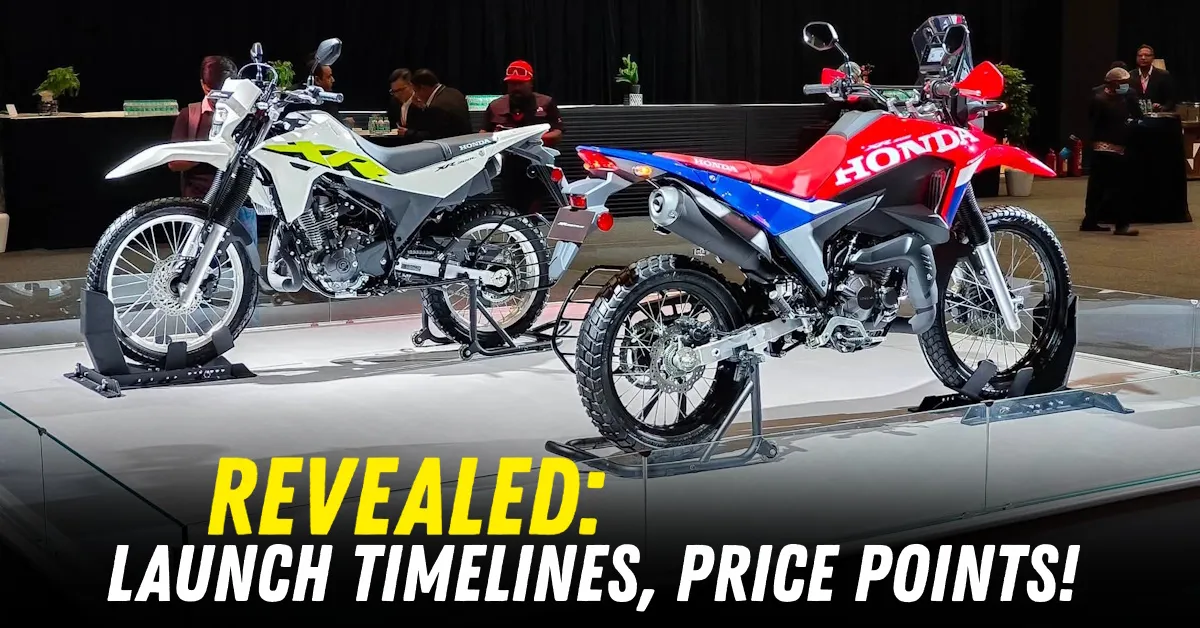
Honda is expected to launch the XR300L and XR300 Rally in November 2026, giving the company two locally manufactured motorcycles aimed at trail riding and affordable adventure touring.
The XR300L is expected to cost between Rs 2 lakh and Rs 2.10 lakh, while the XR300 Rally could be priced from Rs 2.20 lakh to Rs 2.30 lakh, ex-showroom. Honda has shown both motorcycles but has not officially confirmed their launch date, final prices or complete specifications.
Both use a 293.5cc single-cylinder, air and oil-cooled engine related to the unit in the CB300F. This is important because these are locally developed XR models rather than imported versions of the liquid-cooled CRF300L and CRF300 Rally sold in several overseas markets.
Honda has positioned the XR300L as the lighter and simpler dual-sport option. Its purpose is to handle daily use as well as gravel roads, trails and mild off-road riding. The motorcycle has a narrow body, an upright riding position, a high front mudguard and wire-spoke wheels.
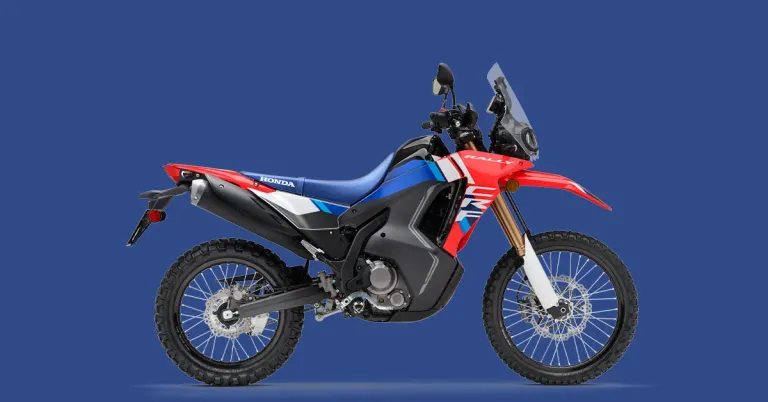
The XR300 Rally uses the same basic platform but adds a front fairing, taller windscreen and rally-style bodywork. It is intended to provide better wind protection and greater comfort over longer distances. It also gets Honda RoadSync, which pairs a smartphone with the motorcycle for functions such as navigation prompts and call or message alerts.
Honda has not published final output figures for the shared engine. The CB300F version produces 24.5hp and 25.9Nm, so similar numbers are expected unless Honda changes the tuning for stronger low-speed response. A six-speed gearbox and assist-and-slipper clutch are also likely to be carried over, though their final specifications remain unconfirmed.
Both motorcycles have long-travel suspension and a gas-charged Pro-Link rear monoshock. They also use disc brakes at both ends, switchable dual-channel ABS and Honda Selectable Torque Control.
Switchable ABS is useful away from paved roads because the rider can allow the rear wheel to lock when controlling the bike on loose surfaces. Traction control can reduce sudden rear-wheel spin, though experienced off-road riders may prefer to switch it off in some conditions.
The motorcycles shown by Honda use a 21-inch front and 18-inch rear wire-spoke wheel combination, the conventional choice for a serious dual-sport. Honda has yet to disclose suspension travel, ground clearance, seat height, fuel capacity and kerb weight. Those figures will decide how approachable the XR300L is for shorter riders and how useful the Rally is for touring with luggage.
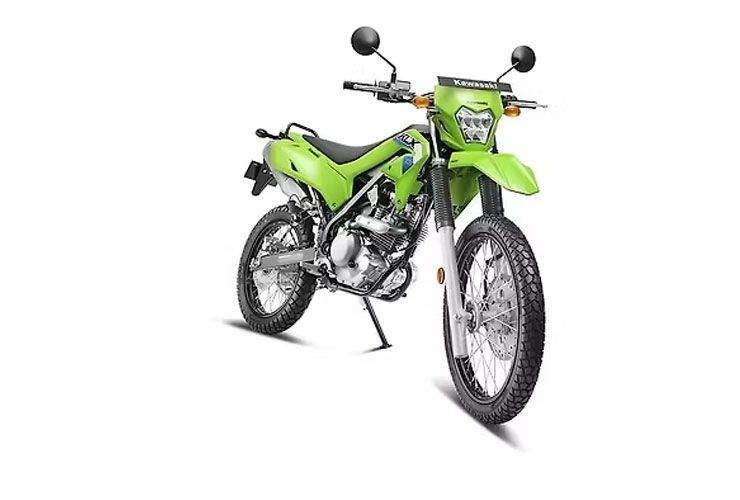
At the expected price, the XR300L would sit close to the Kawasaki KLX230 and above the Hero Xpulse 210. The Kawasaki offers a more traditional, lightweight trail-bike format, while the Hero is the lower-priced and more established choice with a wide service network.
The XR300L’s larger engine and expected output could give it stronger road performance than both, provided Honda keeps the weight under control. Its real appeal will depend on suspension quality, low-speed tractability and how easily it can be repaired after regular trail use.
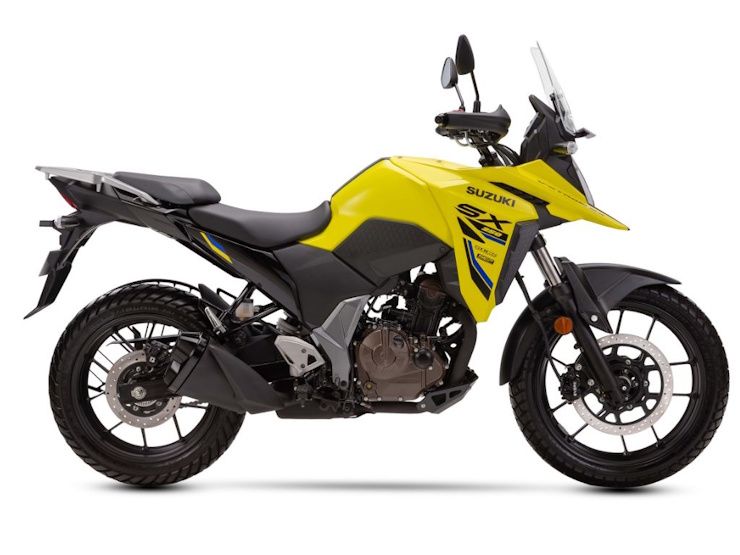
The Rally will face adventure motorcycles that place greater emphasis on road touring, including the Suzuki V-Strom SX and KTM 250 Adventure. Honda’s expected Rs 2.20 lakh to Rs 2.30 lakh price would undercut several road-focused alternatives, but the bike will need a usable fuel tank, comfortable seat and practical luggage options to work as more than a styled XR300L.
Honda has left the most important measurements unpublished. Even so, local production, a familiar 293.5cc engine and pricing near Rs 2 lakh make the XR300 pair one of the more relevant new motorcycle launches expected in late 2026.