House Democrats Prioritize Healthcare, Iran War & Tariffs in New Majority/ NEWSLOOKS/ WASHINGTON/ J. Mansour/ House Democrats plan early votes to strengthen Medicaid, restore enhanced Affordable Care Act subsidies and end the Iran war when Congress convenes Jan. 3. Their majority will exceed 250 seats, but Senate voting requirements and President Donald Trump’s veto power could block legislation. Progressives are pressing party leaders to confront corporate practices and eliminate the legislative filibuster to deliver on campaign promises.

Quick Look
- Healthcare first: Democrats want to reverse Medicaid cuts and restore enhanced ACA tax subsidies.
- Iran legislation: Leaders promise swift action aimed at stopping the war.
- Tariff changes: Early legislation would seek to reverse some Trump trade measures.
- Large House majority: Democrats will hold more than 250 of the chamber’s 435 seats.
- Senate obstacle: Most legislation faces a 60-vote threshold to overcome a filibuster.
- Presidential resistance: Trump has signaled readiness to veto Democratic bills.
- AI oversight: Democrats plan hearings and legislation addressing artificial intelligence and data centers.
- Internal pressure: Progressive groups say retaining voters’ trust requires tangible results.


Deep Look
Democrats Plan Quick Start on Healthcare and Iran
WASHINGTON — House Democrats intend to open their new majority with votes to expand healthcare support, stop the war with Iran and reverse some of President Donald Trump’s tariffs, setting up early confrontations over the direction of the economy and foreign policy.
The new Congress convenes Jan. 3, with Democrats positioned to hold more than 250 House seats.
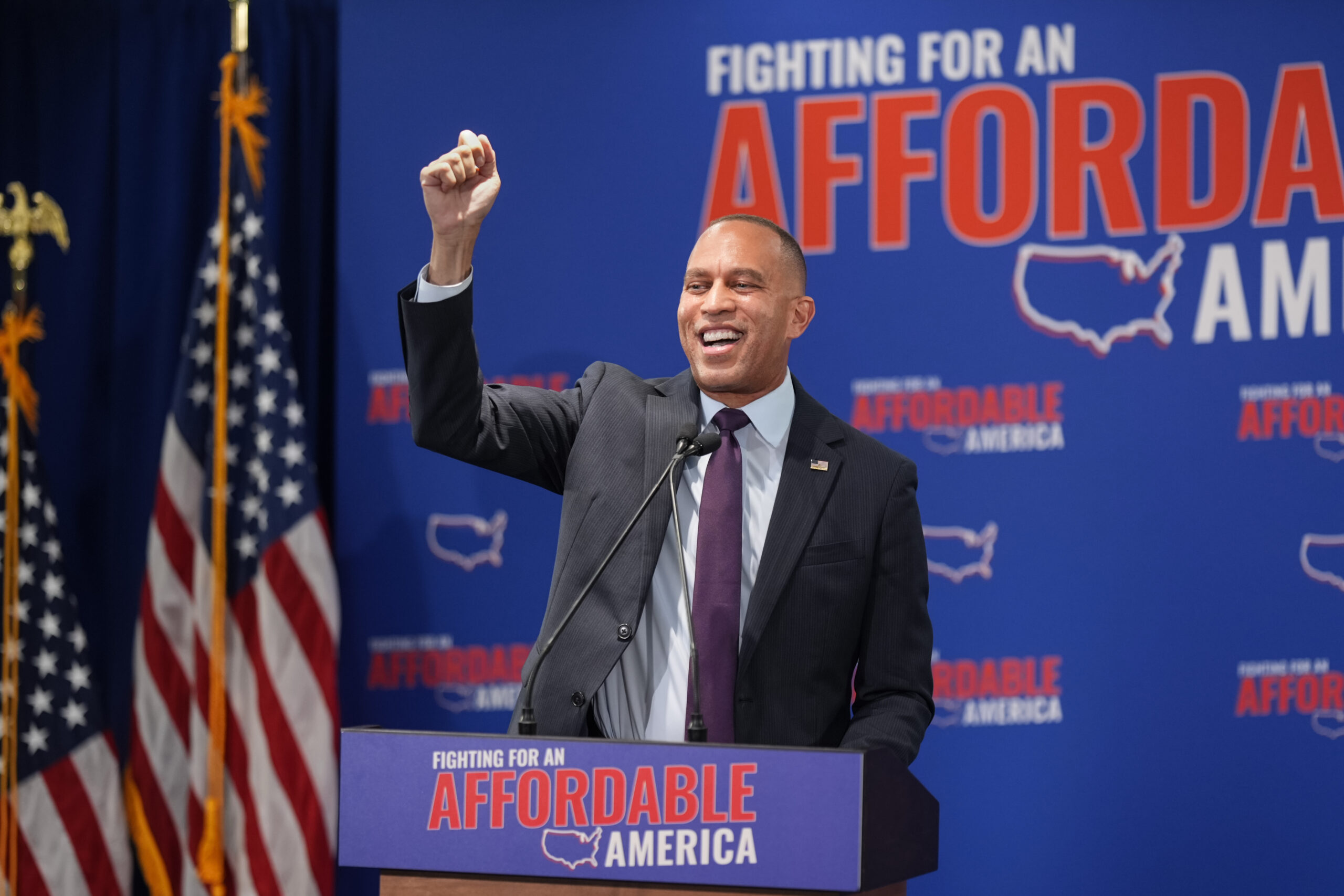
“We’re going to get out of the gate fast,” said Democratic Leader Hakeem Jeffries, who is expected to seek election as speaker.
The opening agenda will test whether the party can translate its midterm victories into progress on the cost-of-living concerns that helped bring it back to power.
Medicaid and ACA Subsidies Lead Early Priorities
Democratic leaders expect initial House votes to focus on strengthening Medicaid and restoring enhanced tax subsidies that reduce premiums for eligible Affordable Care Act enrollees.
They want to reverse Medicaid changes projected to reduce spending by more than $900 billion over a decade.
Those changes helped finance Trump’s tax and spending legislation, enacted last year, and imposed additional administrative rules and eligibility conditions, including work requirements.
Some of the largest changes have not yet taken effect. Nevertheless, Medicaid enrollment has fallen by approximately 5 million people, or about 7%, since July 2025, according to KFF.
Reversing the policies would require overcoming Republican resistance to undoing a central part of their signature legislation.
Previous Healthcare and War Powers Votes Fell Short
The proposed opening votes revisit disputes that have already occupied Congress.
A measure extending enhanced ACA subsidies passed the current House with some Republican support but stalled in the Senate.
Lawmakers have also repeatedly considered measures addressing presidential war powers in Iran, with 14 votes in the Senate and six in the House.
Democrats’ new majorities will change the prospects for passage in Congress, but they will not remove the threat of a presidential veto.
Senate Rules and Trump Could Block Legislation

A large House majority should make it easier for Democrats to pass their opening bills.
Enacting them will be more difficult. Most Senate legislation must clear a 60-vote procedural threshold, requiring Republican cooperation unless Democrats change the rules.
Trump has also advertised his willingness to veto legislation, posting an election-night photograph of a red cap bearing the word “VETO.”
Before the election, Republican Senate Majority Leader John Thune warned that Democratic control would produce “two years of paralysis.”
“I don’t think that’s good for anybody,” he said.
Schumer Sees Some Openings for Bipartisan Cooperation
Senate Democratic Leader Chuck Schumer said his party would pursue its priorities even if Trump opposed them.
“If he vetoes it, it will show the divisions. As much as we didn’t want to shut down, when we shut down the government for a month over healthcare, people knew we were on their side,” Schumer told The New York Times’ podcast “The Daily.”
He expressed hope that some Republicans would support restoring enhanced ACA subsidies.
Asked whether Republican senators had indicated a willingness to cooperate, Schumer said: “They’re never so definitive but, yes, I am getting initial signs that way on certain issues, not on every issue.”
Even unsuccessful votes could help define the parties’ positions before the 2028 presidential election.
Affordability Working Groups Develop Broader Bills
Beyond the initial votes, Jeffries said five working groups are preparing proposals addressing expenses such as housing, energy, groceries and caregiving.
Democrats also intend to scrutinize artificial intelligence and data center development.
Rep. Ted Lieu, D-Calif., is helping develop recommendations for the leadership team.
“House Republicans last year made a conscious decision to let the AI industry run wild, and that was a bad decision politically and a bad decision on policy,” Lieu said.
“Two things will change next term. We will hold public hearings on AI. We will pass legislation, reasonable guardrails on AI, and specifically data centers.”
Progressives Push for Filibuster Changes
Progressive organizations welcomed the opening priorities but said Democrats must go further.
“It’s perfectly fine if the Senate and the House are unified and Donald Trump is standing in the way because that sets up another tidal wave election in 2028,” said Adam Green, co-founder of the Progressive Change Campaign Committee.
But Green argued that party leaders should not accept the filibuster as the reason legislation fails.
“It will require the Democrats to get rid of the filibuster,” he said. “There’s no doubt about it.”
He pointed to the ability to confirm Supreme Court justices and pass qualifying tax legislation with simple majorities, while many Democratic priorities face the 60-vote hurdle.
“The only question is will the American public trust Democrats enough to keep giving us more power or will this week’s gains whittle away because we do nothing? That’s why the filibuster is a threshold question,” Green said.
Schumer has not committed to eliminating the rule.
“The focus has got to be on getting things done,” he told The Associated Press. “That’s all I am saying.”
Casar Urges Focus on Corporate Power
Rep. Greg Casar, D-Texas, urged fellow Congressional Progressive Caucus members to investigate “powerful forces outside of government” alongside the administration.
In a memo, he cited companies using personal information to adjust consumer prices and AI businesses whose practices he argues threaten jobs and safety.
“By focusing not just on the Trump administration but also on big corporations and billionaires, we will show the American people we are not just anti-Trump but also pro-worker and pro-consumer,” Casar said.
More on US News