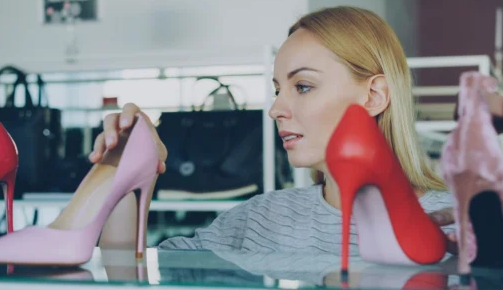
The festive season is around the corner, and everyone is on a shopping spree. But before you decide on which pairs of shoes to buy this year, take a moment to understand how they affect your posture, and why getting some of them can be a bigger risk than you should be willing to take.
Also Read | Fever in children is not always just viral infection: Paediatrician Dr Amit Vij lists 7 signs that could indicate sepsis
In an interaction with Tezzbuzz Lifestyle, physiotherapist Saurabh Singh highlighted things to watch out for while buying new footwear.
“Every step you take sends force through your ankles, knees, hips and spine. If your footwear doesn’t support the way you naturally move, your body may start compensating — and over time, this can contribute to pain and discomfort,” he stated.
He went on to explain how wearing shoes that are not the right fit can affect us, which is presented as follows.
How the wrong shoes can affect you
According to Saurabh Singh, there are three main things to avoid while buying a new pair of shoes. They are as follows:
High heels: Wearing high heels pushes your body weight forward and can increase stress on your hips and lower back, noted the physiotherapist.
Flat, unsupported shoes: Just like high heels, it is best to avoid completely flat shoes as well. It may allow excessive foot rolling (overpronation), which can affect knee and hip movement, shared Saurabh Singh.
Tight toe boxes: according to the physiotherapist, they restrict your toes from spreading and can affect balance and push-off.
Some common signs which suggest the shoes you are wearing are not the right fit for you include:
- Heel pain or plantar fasciitis
- Knee pain, especially while running or walking
- Tired or aching lower back
- Foot fatigue after standing or walking
What should you look for in everyday shoes?
According to the physiotherapist, going beyond fashion, there are four things one should look for while buying new shoes:
- A firm, supportive heel
- Good midfoot stability
- Enough space for your toes to move freely
- Support that suits your individual foot shape
“Sometimes, the solution to persistent pain isn’t always another treatment; it may simply be time to look at what you’re wearing on your feet every day,” noted Saurabh Singh. “Choose your footwear wisely. Your whole body feels the difference.”
Note to readers: This article is for informational purposes only and not a substitute for professional medical advice. Always seek the advice of your doctor with any questions about a medical condition.