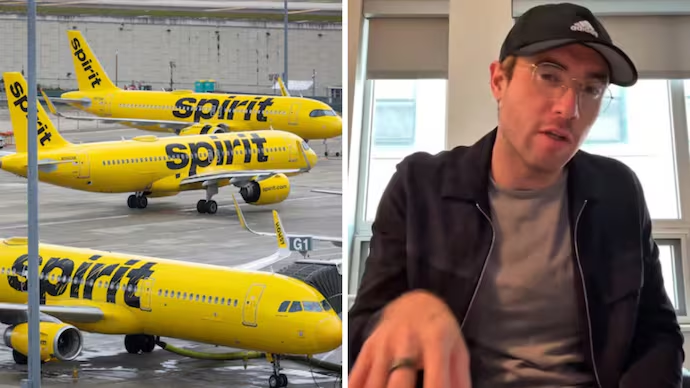
Spirit Airlines was supposed to be finished.
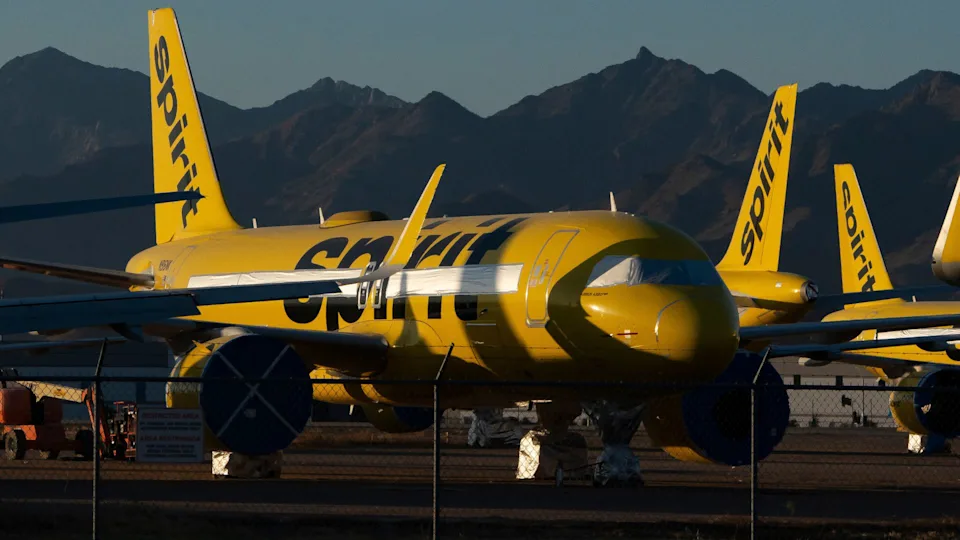
On May 2, 2026, the budget carrier announced an immediate and orderly wind-down of its operations, cancelling all flights and bringing an end to more than three decades of flying. The announcement followed months of financial problems, restructuring attempts and efforts to secure additional funding. Spirit said it simply could not obtain the liquidity required to continue.
But barely a week later, something unexpected happened.
Instead of disappearing quietly into aviation history, Spirit Airlines became the subject of one of the internet’s strangest business ideas: ordinary people trying to buy the airline themselves.
Credits: India Today
The person behind the idea is TikTok creator Hunter Peterson. What began as a humorous thought experiment quickly turned into a viral crowdfunding campaign. Peterson suggested that travelers could collectively provide enough money to purchase and revive Spirit, creating a community-owned airline rather than handing the company over to another major corporation.
The idea spread extraordinarily quickly.
Peterson’s original TikTok video accumulated more than 7 million views in roughly a week, according to Fox Business. Soon afterward, he launched a website where supporters could indicate how much they would theoretically contribute toward buying Spirit.
And then came the headline-grabbing number:
More than $335 million in pledges.
At one point, the campaign reported more than $337 million in pledged support. But there is a crucial distinction here: this is not $335 million sitting in a bank account.
The pledges are non-binding. Participants have not actually handed over that money, meaning the figure represents expressions of interest rather than committed investment capital.
That distinction makes the campaign both fascinating and complicated.
From TikTok Joke to Serious Conversation
Peterson himself appears to have been surprised by how quickly the idea took off.
“This started as a joke, and this is rapidly going out of control in the best possible way,” he said in a follow-up video.
That sentence captures exactly what makes the Spirit campaign so unusual.
Social media has created plenty of viral fundraising campaigns, but purchasing an airline is on an entirely different level. This is not a campaign to raise money for a new community centre or help a struggling family. An airline requires aircraft, pilots, flight attendants, maintenance teams, airport agreements, insurance, fuel, technology systems, regulatory approvals and enormous amounts of working capital.
Simply putting several hundred million dollars on a website does not solve those problems.
Yet the enthusiasm behind the campaign reveals something important: people apparently still want what Spirit represented.
Spirit built its identity around ultra-low fares. Its business model was deliberately stripped down, allowing customers to pay a low base fare and then pay separately for extras such as baggage and seat selection.
Passengers could love it or hate it, but Spirit changed the competitive landscape.
Its presence forced larger airlines to respond to the demand for cheaper tickets, contributing to the broader popularity of stripped-down “basic economy” fares.
So when Spirit disappeared, it did not simply remove another airline from airport departure boards. It removed one of the industry’s most aggressive price competitors.
Credits: Getty Images
Why Did Spirit Airlines Collapse?
To understand why people want to revive Spirit, it is necessary to understand why the original airline failed.
Spirit’s problems did not appear overnight.
The airline had already been fighting financial pressure for years. Rising labour expenses, intense competition, aircraft availability problems and the failure of its proposed merger with JetBlue Airways all contributed to its worsening position.
The pandemic also fundamentally disrupted the airline industry.
While passenger demand eventually recovered, the economics of running an airline became increasingly challenging. Costs rose, aircraft faced operational constraints and airlines competed aggressively for passengers.
Spirit’s ultra-low-cost model was particularly vulnerable.
Its strategy depended heavily on keeping fares attractive while generating additional revenue from optional services. That model works best when aircraft are flying frequently, costs are controlled and passengers continue filling seats.
But when expenses rise rapidly, maintaining extremely cheap fares becomes much harder.
Then came another major problem: fuel.
Jet fuel prices surged following the conflict involving Iran, placing additional pressure on airlines already operating with little financial breathing room. Reuters described Spirit as the first U.S. airline casualty linked to the Iran war, noting that jet fuel prices had doubled during the conflict.
Spirit ultimately could not absorb the additional pressure.
The company had also been attempting to navigate bankruptcy restructuring while seeking additional funding. A proposed $500 million government bailout became part of those efforts, but the rescue plan failed to secure the necessary support.
By May 2, the company had run out of options.
Spirit announced that all flights were cancelled and instructed customers not to go to the airport.
The $500 Million Rescue That Never Happened
Spirit’s collapse was particularly dramatic because the company had been trying to find a way out until almost the very end.
A government-backed rescue proposal reportedly involved approximately $500 million, but the plan encountered political resistance as well as opposition from creditors. When that support failed to materialize, Spirit was left without sufficient funding to continue operations.
The airline’s CEO, Dave Davis, acknowledged that Spirit needed “hundreds of millions of additional dollars of liquidity” but could not secure the necessary financing.
That creates an interesting comparison with Peterson’s online campaign.
If a professional airline management team could not raise enough money to keep Spirit alive, can an internet community realistically accomplish what Wall Street, creditors and government officials could not?
That is the central question surrounding the movement.
And it is where the difference between viral enthusiasm and investable capital becomes extremely important.
The Green Bay Packers Inspiration
Peterson’s idea isn’t simply to create another privately owned airline.
He has pointed toward the ownership structure of the Green Bay Packers as inspiration.
The Packers are famously owned by shareholders rather than a conventional billionaire owner or publicly traded corporation. The model has allowed generations of fans to feel directly connected to the team.
Peterson wants to apply a similar philosophy to aviation.
Instead of Spirit being controlled by a private equity firm, large corporation or wealthy investor, the concept would involve everyday travelers becoming part of a community-owned airline.
On paper, the idea is incredibly appealing.
Imagine buying a cheap airline ticket and knowing that the airline is partially owned by thousands—or potentially hundreds of thousands—of people like you.
The company could theoretically be designed around passengers rather than maximizing returns for a small group of investors.
But aviation is not professional football.
The Packers can sell tickets, merchandise and broadcast rights while operating in a highly structured sports environment. An airline has to operate thousands of flights, maintain aircraft, employ specialized workers and comply with a huge range of safety and regulatory requirements.
A community ownership model might be possible.
But creating one from scratch would be an enormous challenge.
Credits: Yahoo Finance
Why the $335 Million Number Is Misleading
The biggest misconception surrounding the campaign is the word “raised.”
Headlines can make it sound as though Peterson’s campaign suddenly collected $335 million.
It did not.
The money represents non-binding pledges.
That means someone could enter a number on the campaign website saying they would contribute $500, $1,000 or another amount, but that does not necessarily mean the person has transferred money or is legally obligated to do so.
This is an important distinction because the economics of buying an airline depend on actual capital.
A potential investor cannot walk into a bankruptcy proceeding and simply say, “Hundreds of thousands of people on TikTok promised money.”
Creditors, regulators, aircraft lessors, employees and other stakeholders would need to know whether the money actually exists.
The campaign therefore represents something more valuable as a signal of public interest than as a conventional financing round.
And that signal is remarkable.
Thousands of people appear interested enough in the idea of a community-owned Spirit to publicly declare their support.
That tells us something about the airline’s place in American aviation.
Why People Miss Spirit
Spirit was frequently mocked.
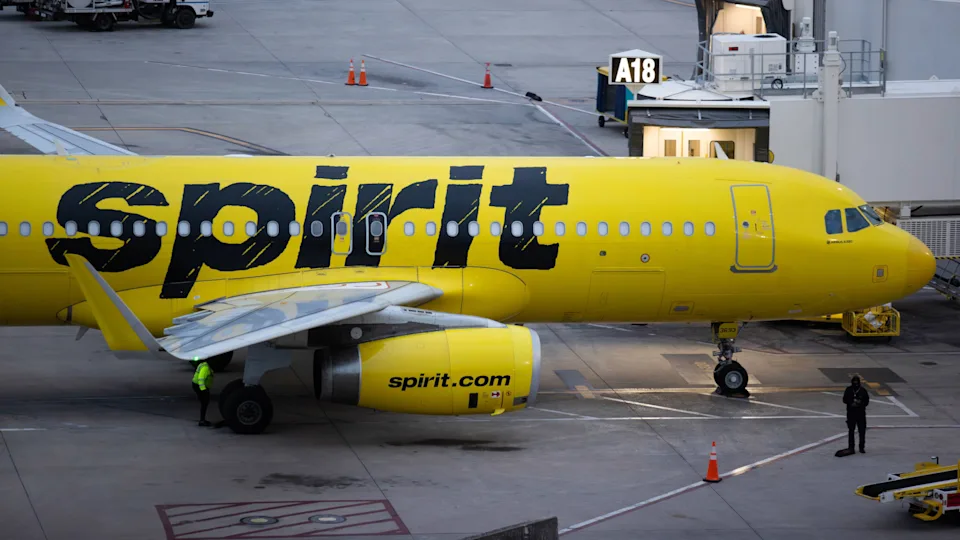
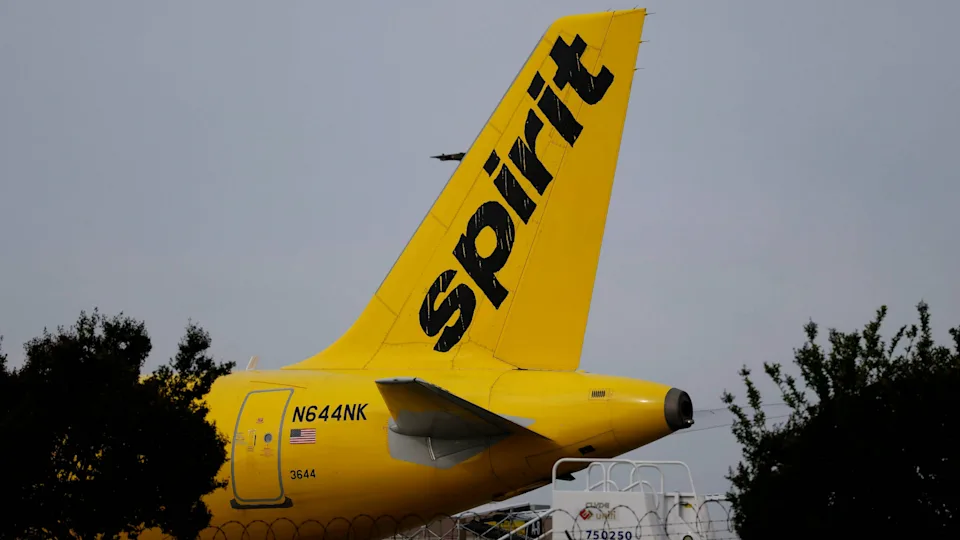
Its yellow aircraft became synonymous with ultra-cheap travel, controversial fees and cramped experiences.
Yet millions of passengers continued to use it.
Why?
Because for many travelers, price matters more than comfort.
A passenger travelling for a weekend, visiting family or attending an event may happily accept fewer amenities if the ticket is substantially cheaper.
That makes Spirit’s disappearance particularly significant for budget-conscious travelers.
When a low-cost airline exits the market, consumers can lose bargaining power.
Other airlines may have less incentive to compete aggressively on price, particularly on routes where Spirit previously provided an alternative.
That may be one reason the online campaign gained such momentum.
People aren’t necessarily saying that Spirit was perfect.
They may simply be saying:
“We want cheap flights back.”
And that is a much more powerful message.
Buying an Airline Is Far More Complicated Than Buying a Company
The idea of buying Spirit Airlines through crowdfunding sounds simple.
Get enough people to contribute money, purchase the airline and restart the flights.
Unfortunately, the real world doesn’t work like that.
An airline is an enormously complicated machine.
Even if Peterson’s campaign somehow converted every pledge into real money, the organizers would still have to determine exactly what they were buying.
Spirit entered a formal wind-down after its financial difficulties. Its aircraft, airport positions, contracts, employees, technology systems, debts and other assets do not simply become available as one giant package.
Some aircraft are leased rather than owned. Some assets may be sold separately. Creditors have claims. Employees need to be rehired or retained. Airport slots and gates have their own complexities.
The prospective buyer would need to assemble the pieces again.
That could be dramatically more expensive and complicated than simply purchasing a corporate name and repainting airplanes yellow.
Credits: Yahoo Finance
The Aircraft Problem
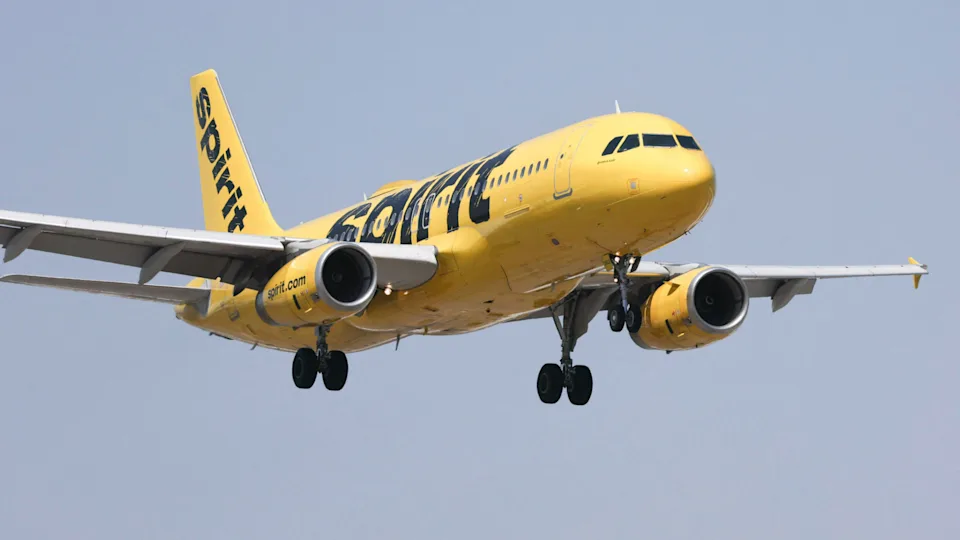
One of the most important challenges would be getting aircraft back into the air.
Airlines depend on aircraft availability, and planes are extraordinarily expensive assets.
Spirit’s aircraft are also connected to leasing arrangements and other financial obligations. If an airline shuts down, aircraft owners and lessors have their own interests to protect.
A new Spirit operator would therefore need access to a fleet.
That could mean negotiating new leases, purchasing aircraft or reaching agreements with existing owners.
Then there is maintenance.
Aircraft cannot simply sit unused indefinitely and immediately return to commercial service. They need inspections, maintenance and certification requirements to be satisfied.
Every aircraft also needs qualified crews.
That brings us to another enormous requirement: people.
Where Would the Employees Come From?
Spirit had thousands of employees before its shutdown.
Pilots, flight attendants, mechanics, dispatchers, airport staff, customer-service workers, engineers and corporate employees all play different roles in keeping an airline operating.
A revived Spirit would need to rebuild that workforce.
The good news is that many former employees already understand the company’s systems and operations.
The bad news is that reopening an airline after a shutdown is not as simple as sending everyone an email saying, “We’re back.”
Employees may have found new jobs. Some may not want to return. Others may require new contracts, training or certification.
A new ownership group would also have to convince employees that the company has enough financial stability to provide reliable employment.
That is particularly important because Spirit’s collapse happened after years of financial difficulties.
The Bigger Question: What Would “Spirit 2.0” Look Like?
Perhaps the most interesting part of Peterson’s proposal isn’t whether the original Spirit can be brought back exactly as it was.
It is whether the Spirit brand could be reinvented.
The original business model had obvious weaknesses.
Ultra-low fares attracted passengers, but the airline struggled to generate enough financial resilience when costs increased.
A new Spirit could potentially keep the low-cost philosophy while changing other parts of the business.
For example, it could focus on fewer routes with stronger demand instead of trying to maintain an enormous network.
It could use a different fleet strategy.
It could redesign its fee structure.
It could invest in technology to reduce operating costs.
It could also create a stronger membership program, allowing frequent customers to pay an annual fee for lower fares or additional benefits.
In other words, the goal shouldn’t necessarily be:
“Bring back old Spirit.”
The smarter question might be:
“What would a financially sustainable Spirit look like today?”
Credits: Yahoo Finance
The Final Takeaway
The “Let’s Buy Spirit” campaign is one of the strangest airline rescue stories in recent memory.
It began with a TikTok video and a seemingly unrealistic idea: ordinary travelers could collectively buy a failed airline and transform it into a community-owned company.
Within days, the campaign claimed more than $335 million in non-binding pledges and attracted millions of views.
But the distance between $335 million in pledges and a functioning airline is enormous.
Spirit’s shutdown was caused by deep financial and operational problems, including rising costs, competition, aircraft issues and a severe fuel-price shock. The company itself said it could not secure the additional liquidity required to continue operating.
Reviving it would require far more than enthusiasm.
Yet perhaps the most interesting part of this story isn’t whether Hunter Peterson can actually bring Spirit back.
It is what the campaign tells us about the modern internet.
A single person with a phone can now put an idea in front of millions of people almost instantly. A joke can become a movement. Consumers can organize around a business they believe deserves another chance. And an airline that had seemingly reached the end of its story can suddenly become the centre of a new one.
Spirit Airlines may or may not fly again.
But the internet has already given the airline something it didn’t have when it shut down:
a second chance to capture people’s imagination.