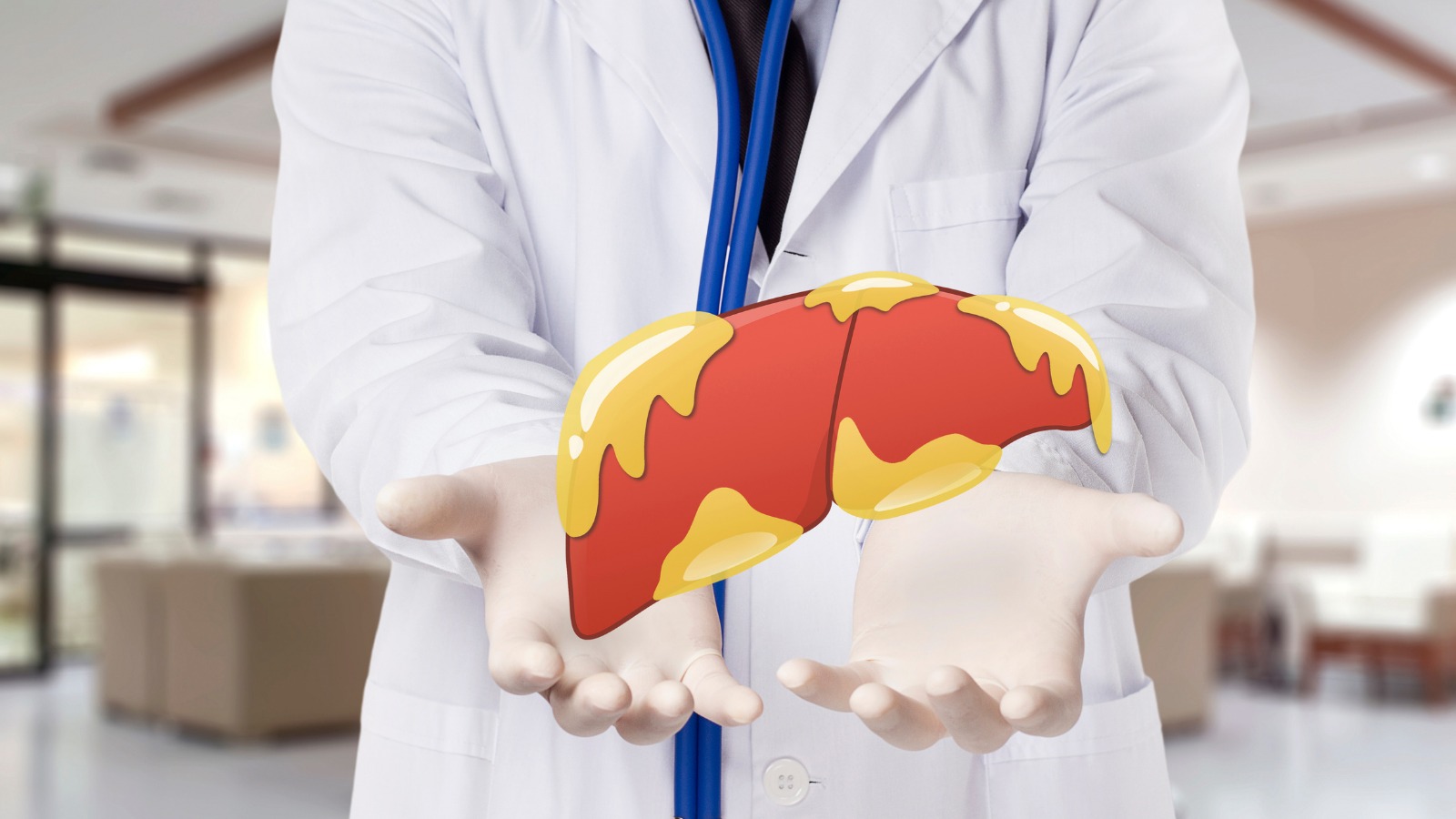
Human organ donation has revolutionized the world of modern medical science, and among all the vital organs, liver holds a special place due to its incredible regeneration power. When a healthy person thinks of donating a liver to save the life of a close one or a family member, the first and most natural question that comes to his mind is how much of the liver can be safely removed from the body, and can it grow again after that? Medical science has progressed so much in the last few decades that today Living Donor Liver Transplant (LDLT) is considered one of the most successful and safe surgeries across the world. Unlike other organs like heart or kidney, nature has given such an amazing boon to the liver that it automatically comes back to its original size and weight within a few weeks of being cut or removed. Today, this unique feature is proving to be a boon for thousands of patients who are suffering from end-stage liver disease, cirrhosis or liver cancer and are on the verge of losing the battle of their lives without a donor.
When a healthy person resolves to donate a liver to save a loved one, the biggest responsibility before the team of doctors and surgeons is to decide what percentage of the liver should be removed from the donor's body. The liver of the human body is mainly divided into two main parts, which are called Right Lobe and Left Lobe. In adult-to-adult liver transplant cases, the right side of the liver is usually removed from the donor's body, which accounts for about 60 to 70 percent of the total organ weight and size. On the other hand, if the transplant is being done for a small child or an underweight patient, the left lobe of the donor liver or a small lateral part of it is removed, which is about 20 to 30 percent of the total liver. According to medical protocol, surgeons always give priority to ensure that at least 30 to 40 percent of the healthy liver remains intact in the donor's body, so that all the biological processes, digestion and metabolism of his body continue smoothly without any interruption. This entire decision is taken by expert doctors only after closely analyzing the total body weight, body structure, blood group and reports of intensive medical tests of the donor and receiver.
Liver is the only internal organ in the world that grows back on its own despite being cut or a large part of it is removed during surgery, and this miraculous process is called 'Hepatic Regeneration' in the language of science. As soon as the surgeon removes 60 to 70 percent of the liver from the donor's body, the cells of this magical organ of the body immediately sense this and the recovery cycle begins. The basic units of the liver, called hepatocytes, begin to divide very rapidly to make up for the organ's deficiency. It is very interesting to understand here that the liver does not regain its lost external shape or form, rather it completely regains its total volume, mass and functionality. In simple words, this means that if the right side of a donor is removed, the remaining left side swells and expands to a size large enough to handle the needs of the entire body. This regeneration process is fastest in the first few weeks immediately after the transplant, and within just 6 to 8 weeks the liver regains about 85 to 90 percent of its original size, leaving the donor completely healthy within a few months.
Not everyone is considered eligible to donate a liver voluntarily, because the medical world has set very strict and precise guidelines keeping in mind the safety of the donor. The first condition is that the age of the donor should generally be between 18 years to 55 years and it is mandatory for him to be completely physically healthy. The blood group of the donor and the patient should match, although in modern medical techniques blood group incompatible transplants have also become possible, yet matching is considered to be the safest. The donor should not have any serious lifestyle diseases such as uncontrolled diabetes, high blood pressure, hepatitis B or C, kidney problems or serious heart disease. Apart from this, people who have fatty liver problem or excessive accumulation of fat in their liver are rejected by doctors as donors because such liver can prove to be risky not only for the donor but also for the patient. To ensure the fitness of the donor, a series of medical tests like CT scan, MRI, Liver Function Test (LFT), ultrasound and to evaluate mental health are done and only when the doctors are completely satisfied, the green signal is given for the surgery.
There is often a great fear in the minds of common people that after donating a large part of the liver, the donor's life will become disabled forever or he will never be able to live a normal life, but science completely rejects all these notions. After discharge from the hospital after successful surgery, the donor is strictly advised to avoid lifting heavy weights, doing excessive physical exertion or activities like gym for the initial one and a half to two months. During this recovery period, the body is strengthening itself internally, so doctors recommend a balanced diet rich in protein, drinking adequate amount of water and taking medicines on time. Most of the liver donors return to their normal routine life within 2 to 3 months after the surgery and go to office and handle their work with full capacity. Since the liver has regenerated and regained its full functionality, the donor does not need to depend on any kind of heavy or special medicines throughout his life, which has to be taken only by the patient in whose body the new liver has been transplanted. In this way a healthy person can become an example for the society by saving a precious life without any permanent damage.
Even today, in a country with a large population like India, many hidden misconceptions, fears and hesitations are seen in the society regarding organ donation, the removal of which is the biggest need of today's time. Today, complex and high-tech surgeries like liver transplant are being successfully performed by the world's best surgeons in the prestigious hospitals of the country, giving new life to thousands of helpless patients every year. If every citizen becomes aware of the scientific truths of organ donation, its safe provisions and the rules related to donor safety, then the lives of countless innocent people who die due to not getting a timely donor can be saved. This miracle of nature that the liver can regrow on its own is no less than a boon for mankind, which teaches us what an amazing ability to share and give life is hidden in our body. Let us leave behind all the negativity and fear around organ donation, be a part of this great initiative and bring a new dawn of hope in the lives of the needy people of the society so that everyone can enjoy a healthy and happy future.