Ho Chi Minh City is entering a new phase of development with Metro Line 1 now in operation and Long Thanh International Airport expected to expand the country’s international connectivity. According to Niklas Wagner, General Manager of New World Saigon Hotel, these developments are reshaping not only how visitors travel but also what they expect from hotels.
“Preparing for the future means upgrading not only physical infrastructure but also how hotels operate, innovate, and serve guests,” he said.
|
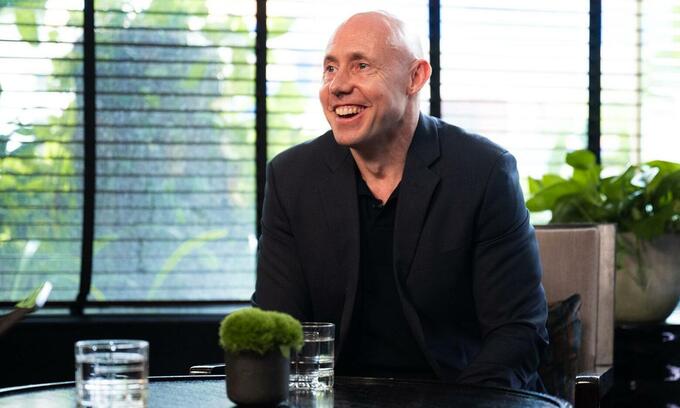
New World Saigon General Manager Niklas Wagner. Photo courtesy of the hotel |
Infrastructure reshapes the guest journey
Wagner said Long Thanh International Airport will strengthen Vietnam’s position as a regional tourism hub, although improved transport links to downtown Ho Chi Minh City will be important for business travelers and MICE groups during the transition.
“Long-term, it’s an absolute positive for the city,” he said. “You need a better arrival experience, and you need to be able to fly more airlines to facilitate further growth.”
Within the city, Metro Line 1 has also improved accessibility. Located near Ben Thanh Station, New World Saigon Hotel has benefited from easier connections to destinations such as Thao Dien.
Technology supports operations
Rather than adopting technology for its own sake, the hotel focuses on using digital tools to improve efficiency and free employees to spend more time with guests.
This approach led the hotel to replace the traditional IT manager role with a technology experience manager, responsible for developing solutions that improve operations and guest services.
One example is an in-house application built using large language models (LLMs) that automates vehicle, driver and route assignments, replacing a manual spreadsheet-based process. Other departments are now exploring similar tools, including the laundry team for uniform management.
For Wagner, technology should solve practical operational challenges rather than simply introduce new systems.
Human interaction remains central
Despite advances in artificial intelligence, Wagner believes personal service will remain at the heart of hospitality.
“As technology adoption increases, our natural need for human interaction will become the other trend that really skyrockets, because you need humans to feel human,” he said.
“Technology is a tool and an enabler that makes us quicker,” he added. “But there’s something about seeing people face to face that will not go away.”
He said greater operational efficiency allows employees to spend less time on administrative work and more time creating meaningful guest experiences.
 |
|
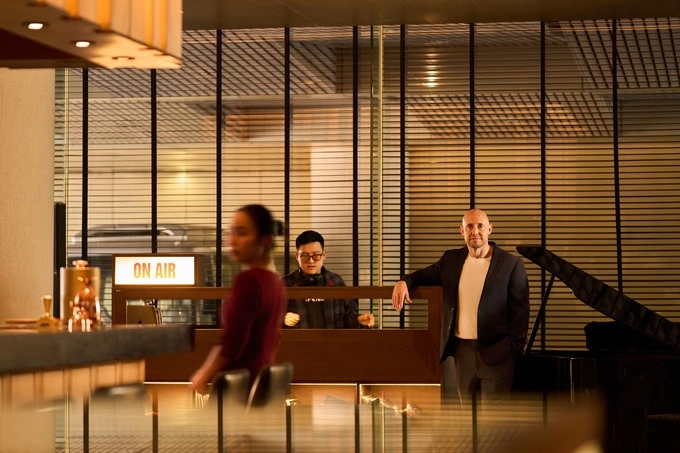
New World Saigon General Manager Niklas Wagner at the hotel. Photo courtesy of the hotel |
Leadership for a changing industry
Wagner said preparing for the future also requires empowering employees to adapt to changing technologies and guest expectations.
He describes his management style as “enabling leadership,” encouraging staff to make decisions and learn from experience.
“I often push questions back and ask, ‘You decide. What would you do?'” he said. “Over time, people build the confidence to take the right risks. If they make a mistake, that’s fine. We fix it together.”
He also emphasized the value of combining the experience of long-serving employees with the digital skills and fresh perspectives of younger staff.
 |
|
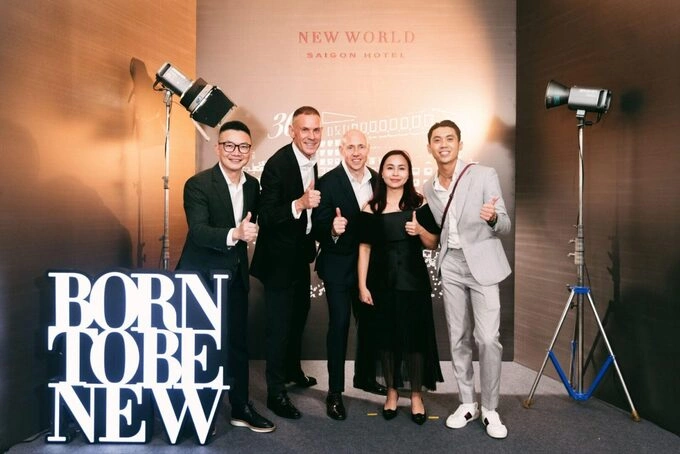
General Manager Niklas Wagner with colleagues at the New World Saigon Hotel. Photo courtesy of the hotel |
Looking ahead, Wagner said preparing for Vietnam’s next phase of tourism growth depends as much on people as on infrastructure and technology.
“Preparing for the future is not about predicting what comes next,” he said. “It is about building a team that is ready to embrace change while continuing to deliver the human experiences that define great hospitality.”